The Art of Soft Dried Mango Production: From Farm to Snack
The Art of Soft Dried Mango Production: From Farm to Snack
Soft dried mangoes are a delightful treat, offering a burst of tropical flavor and a satisfying chewy texture. But have you ever wondered about the intricate journey these golden pieces undertake from a lush orchard to your snack pouch? The soft dried mango production process is a careful balance of science and artistry, designed to preserve the fruit’s natural goodness while enhancing its palatability. It’s a fascinating transformation that begins long before the drying machines even hum.
Sourcing and Preparing the Perfect Mangoes for Soft Drying
The foundation of exceptional soft dried mango lies in the selection of the raw material itself. Not just any mango will do; producers meticulously choose specific varieties known for their vibrant color, rich flavor, and ideal fiber content, such as Ataulfo, Tommy Atkins, or Carabao mangoes. These fruits are harvested at their peak ripeness, ensuring maximum sweetness and aroma, which are critical for the final product’s sensory appeal. Any compromise at this stage can significantly affect the quality of the truly delicious soft dried mango.
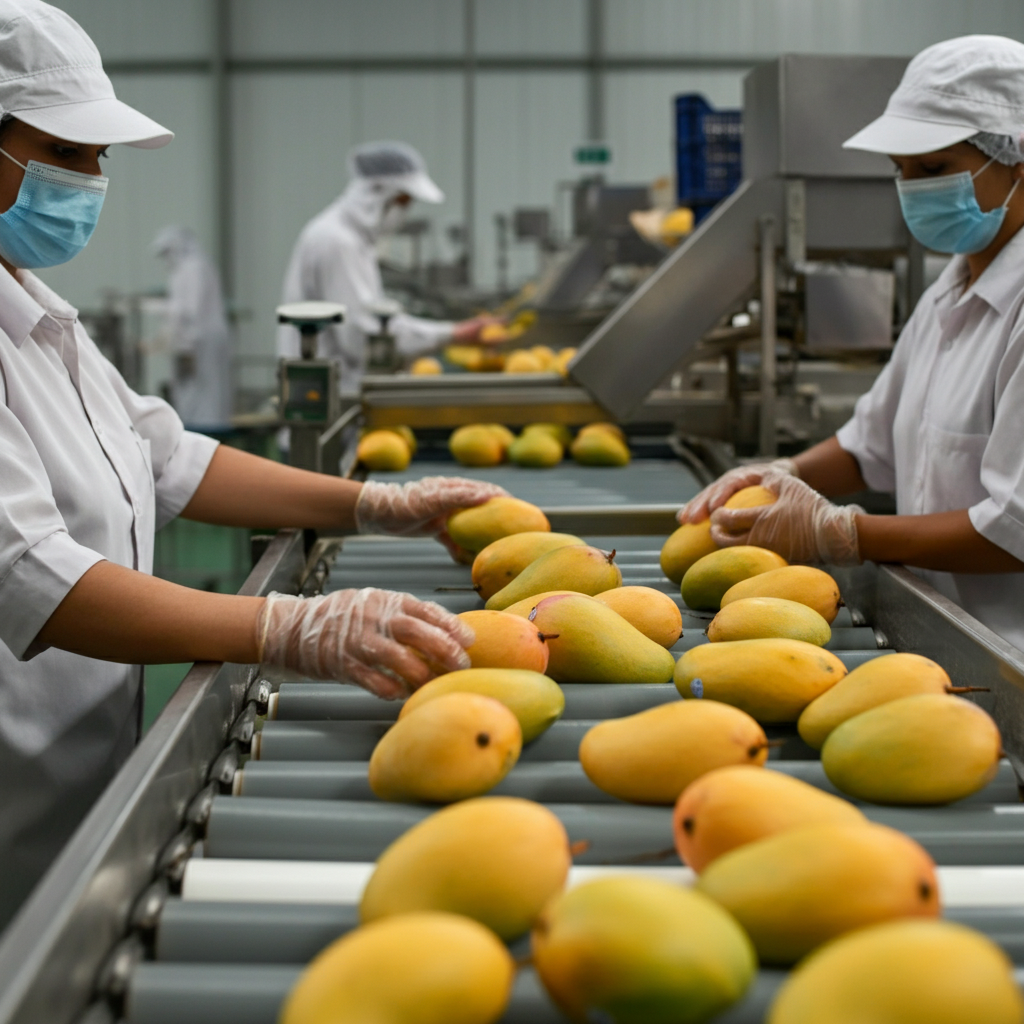
Once harvested, the mangoes undergo a thorough cleaning process to remove any dirt, debris, or residues. This is typically followed by careful peeling, either manually or using specialized machinery, to remove the skin without damaging the delicate flesh. The peeled mangoes are then destoned and uniformly sliced into pieces – often strips or cheeks – ensuring consistent thickness. This uniformity is crucial for an even drying process and contributes to the appealing presentation of the finished product. Hygiene and precision are paramount throughout these initial preparation stages to maintain food safety and product consistency.
Mastering the Drying Process: Achieving Optimal Softness and Flavor
The heart of soft dried mango production lies in the drying method, which differentiates it from other forms of dried fruit. Unlike traditional dried mangoes that can be tough and brittle, soft dried varieties retain a significant amount of moisture, giving them their characteristic chewy and pliable texture. This is often achieved through controlled dehydration processes. One common technique involves using low-temperature drying chambers, where warm air circulates gently over the mango slices for an extended period. This slow and steady approach gradually removes water while preserving the fruit’s cellular structure, enzymes, and delicate flavor compounds.
Another method, sometimes used in conjunction with dehydration, is osmotic dehydration. Here, mango slices are immersed in a sugar solution, which draws out water from the fruit due to osmosis, while allowing some sugar to permeate the mango. This not only aids in water removal but also enhances sweetness and helps in preserving the vibrant color and soft texture. Regardless of the specific technique, the goal is always to achieve a precise moisture content – typically between 15-20% – which is key to that desirable ‘soft’ mouthfeel. This meticulous control over moisture is what makes for an unforgettable tropical snack.
To further maintain color, extend shelf life, and inhibit microbial growth, some producers might use mild treatments such as sulfuring (using sulfur dioxide) or dipping in ascorbic acid (Vitamin C). However, there’s a growing trend towards ‘natural’ soft dried mangoes, which avoid these treatments, relying solely on optimal drying conditions and careful handling. These natural methods often involve specialized drying equipment that can achieve superior results without additives, appealing to health-conscious consumers looking for clean-label products.
Quality Assurance, Packaging, and the Journey to Your Plate
Quality control is an ongoing, rigorous process throughout the entire production chain. From the moment mangoes arrive at the facility to the final packaged product, every step is monitored to ensure the highest standards. This includes regular checks for moisture content, color consistency, taste, aroma, and microbial safety. Advanced analytical techniques are employed to guarantee that the soft dried mangoes meet strict international food safety regulations and quality specifications. Only mango pieces that pass these stringent checks proceed to the next stage.
Once dried to perfection and thoroughly inspected, the soft dried mangoes are ready for packaging. The packaging plays a vital role in maintaining the product’s freshness, preventing reabsorption of moisture, and protecting it from physical damage and external contaminants. High-barrier, food-grade materials are typically used, often in resealable pouches or airtight containers, to ensure the product remains soft, flavorful, and safe for consumption over its shelf life. Vacuum sealing or nitrogen flushing might also be used to further extend freshness and prevent oxidation.
From careful sourcing and precise drying to meticulous quality control and thoughtful packaging, the journey of soft dried mango from farm to plate is a testament to dedicated craftsmanship. The result is a healthy, delicious, and irresistible soft dried mangoes snack that captures the essence of the tropics, ready to be enjoyed by consumers worldwide as a convenient and nutritious treat. It’s a journey that ensures every bite delivers consistent quality and a burst of sunshine.