Selecting the Best Mango for Delectable Dried Mango
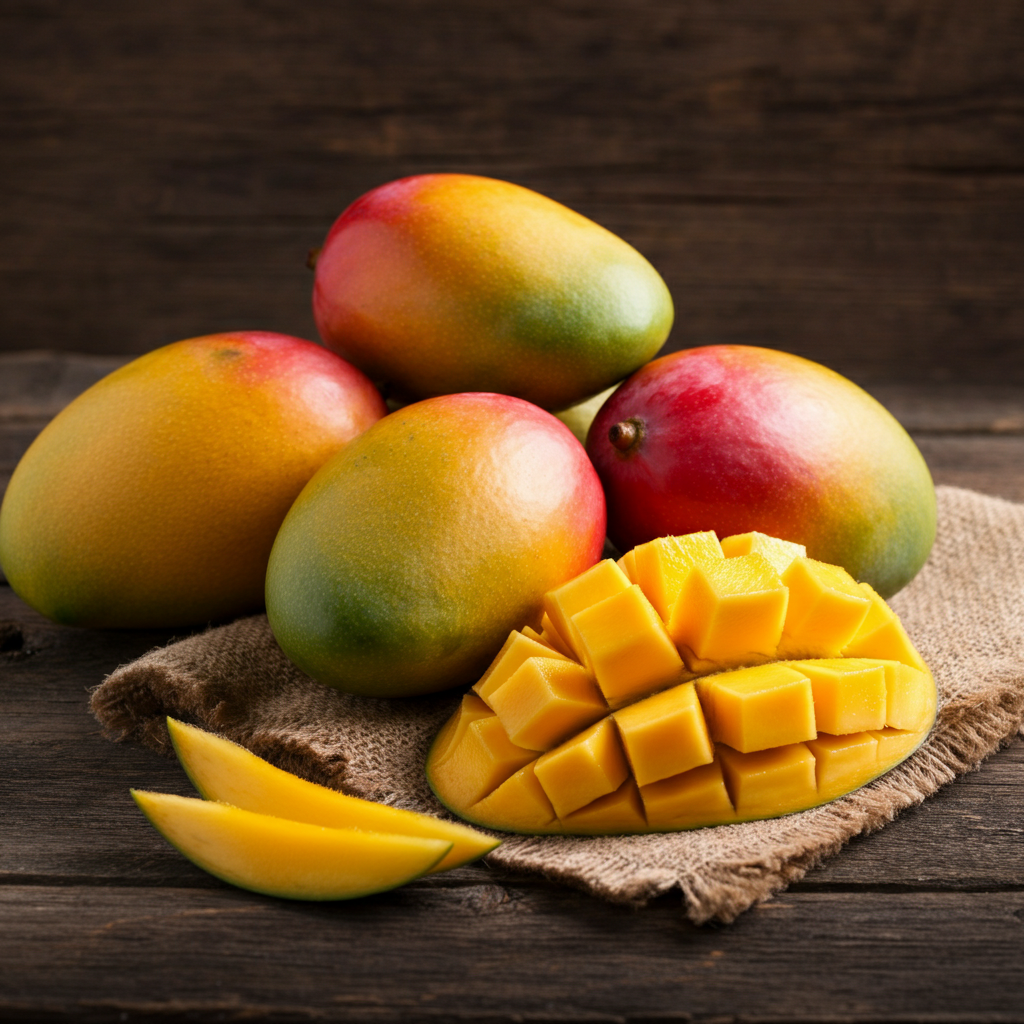
Selecting the Best Mango for Delectable Dried Mango
Making delicious dried mango starts with one crucial ingredient: the mango itself! Not all mangoes are created equal, especially when it comes to their suitability for drying. The right variety can transform your homemade snack from merely good to absolutely irresistible. In this guide, we’ll explore the characteristics that make certain mangoes ideal for drying and help you choose the best mango varieties for dehydrating for your next batch of this delightful tropical treat. Get ready to elevate your dried fruit game! 🥭
Understanding What Makes a Mango Great for Drying
When you’re looking to create the perfect dried mango, the choice of fresh mango variety is paramount. The ideal mango for drying possesses a unique combination of attributes that contribute to its final texture, flavor, and appearance. These include a high sugar content, which intensifies during the drying process, and a low fiber content, which prevents a stringy or tough end product. A vibrant color is also a plus, as it translates into an appealing dried snack.
Furthermore, the mango’s flesh should be firm yet ripe, allowing for easy slicing and ensuring it holds its shape well during dehydration. Too soft, and it might turn mushy; too hard, and it won’t have developed its full sweetness. The balance of sweetness and a hint of tartness is also desirable, as drying concentrates these flavors, resulting in a more complex and enjoyable soft dried mango. Ultimately, selecting the right raw material is the first step towards a premium dried product.
Top Mango Varieties for Superior Dried Mango
Several mango varieties stand out for their exceptional qualities when dried. Among the most popular and highly recommended are the Ataulfo (also known as Honey or Champagne mango), the Tommy Atkins, and the Kent mango. Each offers distinct advantages for drying.
- Ataulfo Mango: These small, kidney-shaped mangoes are famous for their incredibly sweet, buttery, and non-fibrous flesh. Their smooth texture and intense flavor make them a top choice for a melt-in-your-mouth dried mango experience. They shrink beautifully and retain their golden hue.
- Tommy Atkins Mango: While often criticized for its slightly fibrous nature when fresh, the Tommy Atkins is surprisingly good for drying due to its firm flesh and relatively long shelf life. It has a mild, sweet flavor and a vibrant color, offering a good balance for a chewy dried snack.
- Kent Mango: Known for their large size, minimal fiber, and rich, sweet flavor with tropical undertones, Kent mangoes produce a very tender and juicy dried product. Their flesh is succulent and less watery than some other varieties, which is a bonus for dehydration.
- Alphonso Mango: Often dubbed the “King of Mangoes,” the Alphonso boasts an incredibly rich, creamy, and sweet flavor with very little fiber. While pricier, drying Alphonso mangoes yields an exceptionally gourmet and flavorful delectable dried mango snack.
Key Characteristics to Look for in Drying Mangoes
Beyond specific varieties, understanding the general characteristics of a good drying mango will help you make informed choices at the market. Look for mangoes that are perfectly ripe – not overripe and mushy, nor underripe and hard. A ripe mango will yield slightly to gentle pressure and emit a sweet, fruity aroma near the stem.
Consider the following:
- Firmness: The flesh should be firm enough to slice easily without falling apart, yet tender.
- Sweetness: A naturally sweet mango will produce a sweeter dried product, requiring less or no added sugar.
- Low Fiber: Minimize stringiness by choosing varieties with smooth, non-fibrous flesh.
- Color: Brightly colored flesh (yellow to orange) indicates ripeness and translates to an attractive dried product.
- Size and Shape: While not strictly a quality factor, larger, more uniformly shaped mangoes can be easier to peel and slice consistently, leading to more even drying.
By paying attention to these details, you’ll be well on your way to crafting an exquisite batch of dried mango.
Tips for Achieving the Perfect Dried Mango Texture
Once you’ve selected the ideal mango, the drying process itself plays a crucial role in achieving that perfect chewy, yet tender, texture. Start by peeling the mangoes thoroughly and slicing them into uniform pieces, about ¼ inch thick. Consistency in thickness is key for even drying. You can use a mandoline slicer for precision.
Pre-treatment options like a quick dip in lemon juice or a simple syrup solution can enhance color retention and add an extra layer of flavor, though many prefer the pure taste of untreated mango. Arrange slices in a single layer on dehydrator trays or baking sheets. Dehydrate at a low temperature (around 125-135°F or 52-57°C) for several hours, flipping occasionally, until the mangoes are pliable but no longer sticky. The goal is to remove moisture while retaining a soft, chewy consistency, making it an excellent perfect tropical treat that’s both healthy and delicious. Enjoy your homemade, perfectly dried mango!