Dried Mango Expiration: How Long Does It Last and How to Store It?
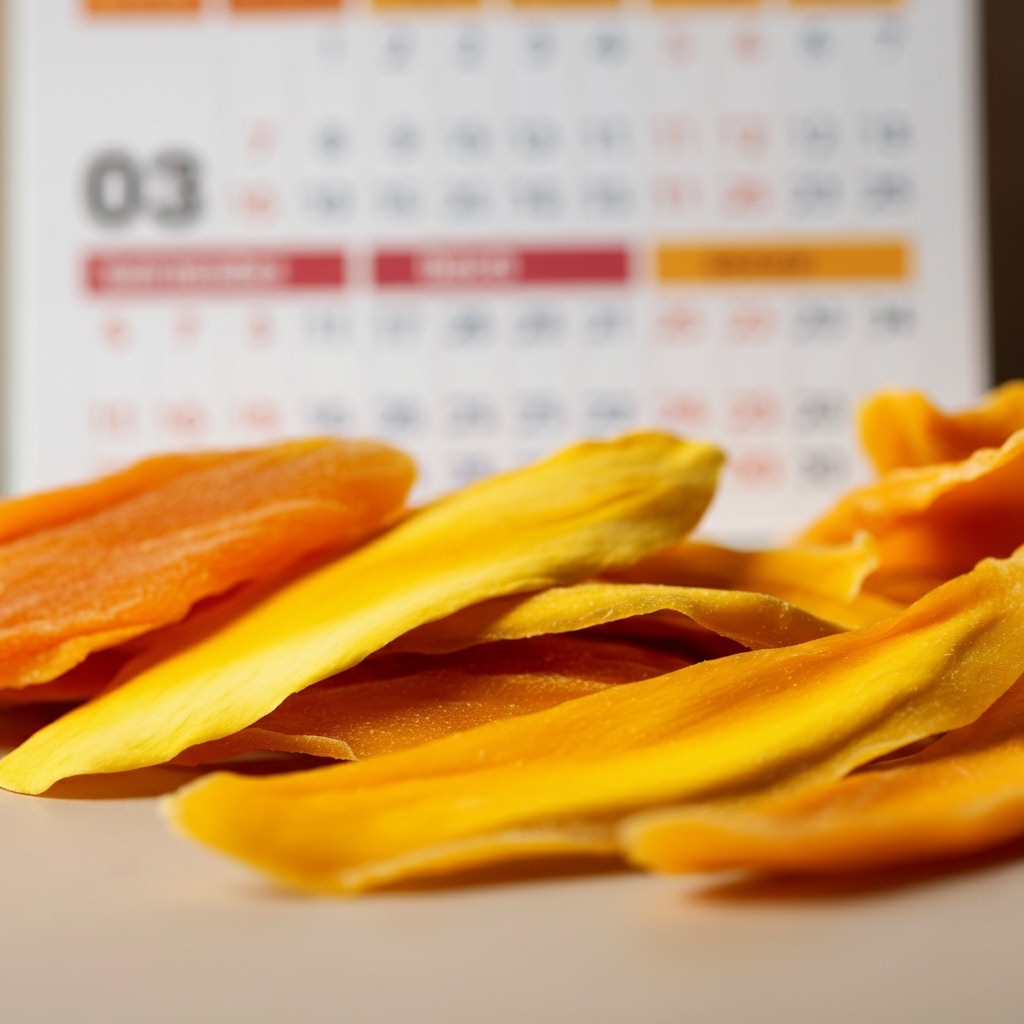
Dried Mango Expiration: How Long Does It Last and How to Store It?
Understanding Dried Mango Expiration Dates
Dried mango is a popular and convenient snack, beloved for its sweet, tangy flavor and chewy texture. While it’s known for having a significantly longer shelf life than fresh mango, understanding its expiration can prevent waste and ensure you’re always enjoying the best quality product. Most commercially packaged dried mangoes come with a “best by” or “best before” date, which is an indicator of quality, not necessarily safety. This date suggests when the product will be at its peak flavor and texture.
Typically, unopened dried mango can last anywhere from 6 months to a year past its printed “best by” date if stored properly. Once opened, its shelf life shortens considerably due to exposure to air and moisture. For the best experience, it’s generally recommended to consume opened dried mango within a few weeks to a month. Factors like processing methods, packaging, and whether it contains preservatives all play a role in this timeframe.
Factors Influencing Dried Mango Shelf Life
Several key elements contribute to how long your dried mango remains fresh and delicious. The primary factor is the moisture content; the less moisture present, the longer the shelf life, as moisture is a breeding ground for mold and bacteria. This is why properly dried mango lasts much longer than its fresh counterpart. Another significant factor is the presence of preservatives. Many commercial dried mango products use sulfur dioxide or other antioxidants to maintain color and extend shelf life, while organic or naturally dried versions might have a slightly shorter optimal period.
Packaging also plays a crucial role. Dried mango stored in airtight, vacuum-sealed bags will last much longer than those in simple zip-top bags or exposed to air. Exposure to light, heat, and oxygen accelerates degradation, leading to loss of flavor, changes in texture, and potential spoilage. When considering a delightful tropical snack, choosing a well-packaged option can make a big difference in its longevity and enjoyment. For those who appreciate the natural goodness, products like soft dried mango offer a perfect balance of taste and convenience, often with careful processing to maximize freshness.
How to Tell if Dried Mango Has Gone Bad
Even with careful storage, dried mango can eventually spoil. Knowing the signs of spoilage is essential to avoid consuming a compromised product. Here are the main indicators to look out for:
- Mold Growth: This is the most obvious sign. Mold can appear as fuzzy spots, ranging in color from white to green or black. If you see any mold, discard the entire batch immediately.
- Off-Smell: Fresh dried mango has a sweet, fruity aroma. If it smells sour, fermented, or otherwise unpleasant, it’s likely spoiled.
- Discoloration: While some darkening over time is normal, significant changes in color, especially dark spots that weren’t there before, can indicate spoilage or oxidation.
- Texture Changes: If the dried mango becomes excessively hard, brittle, or develops a slimy texture, it’s no longer good to eat.
- Pest Infestation: Though rare in properly sealed packages, look for any signs of insects or larvae, which would render the product unsafe.
When in doubt, it’s always best to err on the side of caution and discard any dried mango that shows signs of spoilage. Enjoying fresh and safe snacks is paramount, and understanding these signs ensures your culinary experiences remain pleasant.
Optimal Storage Methods for Dried Mango
Proper storage is key to extending the shelf life of your dried mango and maintaining its quality. The goal is to protect it from moisture, air, light, and heat. Here are the best practices:
- Airtight Containers: Transfer opened dried mango to an airtight container or a heavy-duty resealable bag. This prevents exposure to oxygen and moisture, which are the main culprits for spoilage. Glass jars, plastic containers with tight-fitting lids, or vacuum-seal bags are excellent choices.
- Cool, Dark Place: Store the sealed container in a cool, dark pantry or cupboard, away from direct sunlight and heat sources like ovens or stovetops. High temperatures can cause the natural sugars to crystallize and may even lead to fermentation.
- Refrigeration: For even longer storage, especially in humid climates or after opening, consider refrigerating your dried mango. While not strictly necessary, it can significantly extend its freshness for several months. Ensure it’s in an airtight container to prevent it from absorbing odors from other foods.
- Freezing: For the longest possible shelf life (up to 1-2 years), dried mango can be frozen. Place it in a freezer-safe, airtight bag or container. Thaw it at room temperature or in the refrigerator before enjoying. This method is particularly useful for bulk purchases of your favorite delicious soft dried mango.
By following these storage tips, you can ensure your dried mango stays delicious and safe to eat for as long as possible, allowing you to savor every piece of this wonderful quality dried mango product.