Dried Mango: Exploring Global Regional Differences and Unique Flavors
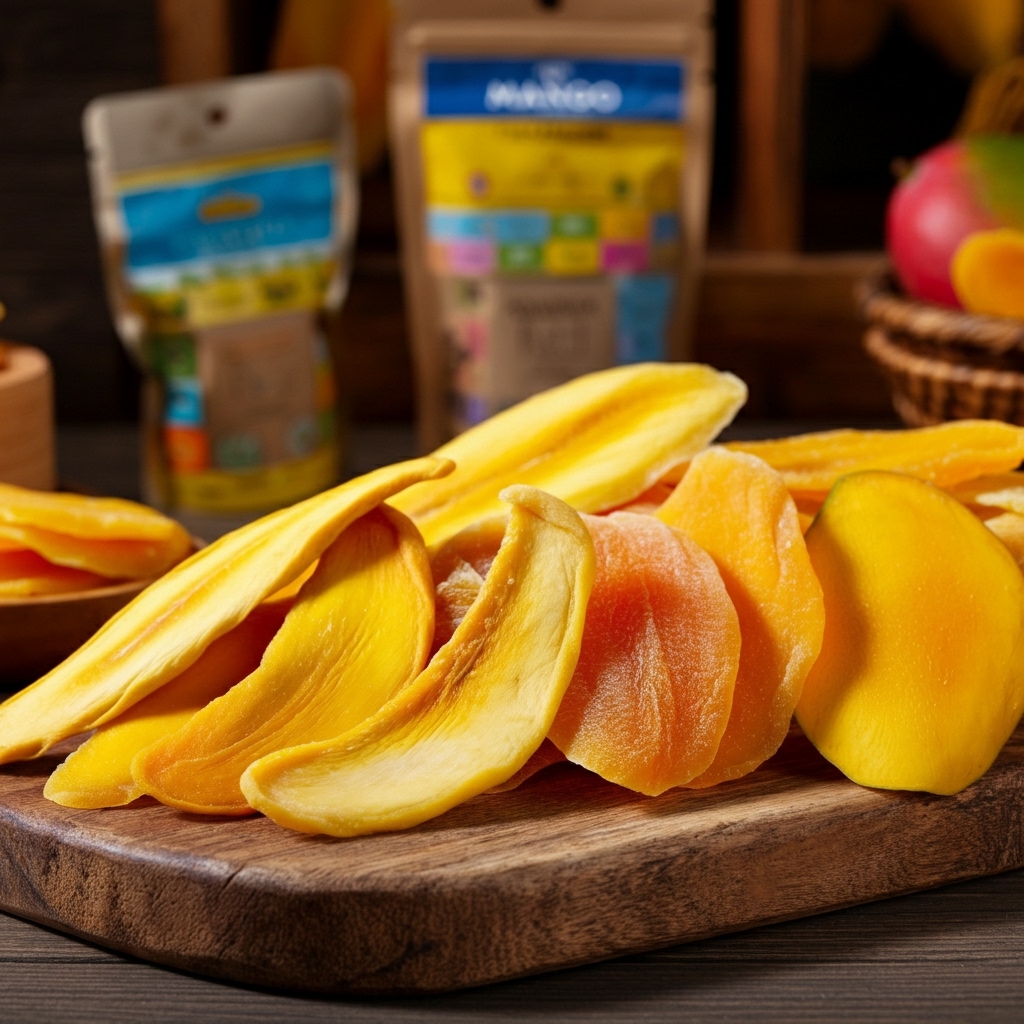
Dried Mango: Exploring Global Regional Differences and Unique Flavors
Dried mango is a beloved snack enjoyed by millions worldwide, cherished for its intense flavor, satisfying chewiness, and natural sweetness. However, not all dried mangoes are created equal. Just like fresh mangoes, their dried counterparts exhibit a fascinating range of characteristics influenced by their geographical origin, the specific mango variety used, and the drying methods employed. Understanding these regional differences can elevate your appreciation for this tropical treat. From the vibrant markets of Southeast Asia to the sun-drenched orchards of Latin America and Africa, each region offers a unique take on this delightful snack. Join us as we journey through the global landscape of dried mango, uncovering the distinct qualities that make each one special. 🥭
The Global Tapestry of Dried Mango: An Introduction
Mangoes, often dubbed the “King of Fruits,” are cultivated across tropical and subtropical regions worldwide, leading to an incredible diversity of flavors, textures, and aromas. When these fresh fruits are dried, whether by traditional sun-drying or modern industrial processes, they retain much of their original character, but with heightened intensity. This process concentrates their natural sugars and acids, resulting in a product that can be wonderfully sweet, tangy, or a complex combination of both. The choice of mango variety—such as Carabao, Ataulfo, Tommy Atkins, or Alphonso—plays a crucial role in the final taste and texture of the dried product.
Beyond the fruit itself, local traditions and processing techniques also contribute significantly to the dried mango’s identity. Some regions prioritize a chewy, almost leathery texture, while others aim for a softer, more succulent experience. These variations are not just interesting; they offer consumers a wide palette of choices, catering to different preferences for sweetness, tartness, and mouthfeel. Exploring these nuances is key to truly appreciating the global phenomenon that is dried mango. For those who enjoy a perfectly tender and flavorful treat, discovering soft dried mango varieties from around the world can be a truly delightful experience.
Southeast Asia’s Sweet Legacy: Philippines, Thailand, Vietnam
Southeast Asia is arguably the heartland of dried mango production, with countries like the Philippines, Thailand, and Vietnam leading the charge. Each nation boasts its signature style, largely dictated by the mango varieties endemic to the region.
- Philippines: Renowned for its ‘Carabao’ or ‘Philippine Super Mango,’ dried mango from the Philippines is often characterized by its bright yellow color, intense sweetness, and a delightful tang. The texture is typically chewy but not overly tough, offering a satisfying bite. Many consider Philippine dried mango to be the gold standard, a testament to the superior quality of their local mangoes.
- Thailand: Thai dried mango often uses varieties like ‘Nam Doc Mai’ or ‘Mahachanok.’ These tend to produce a product that is slightly less tangy and often sweeter than its Filipino counterpart, with a richer, more honey-like flavor. Thai dried mango pieces can vary in thickness and often have a pleasant, slightly fibrous chew.
- Vietnam: Vietnamese dried mango, frequently made from ‘Cat Chu’ or ‘Hoa Loc’ varieties, strikes a balance between sweetness and a refreshing tartness. The texture can be softer and more succulent, making it an incredibly palatable tropical snack that melts in your mouth. Some Vietnamese producers also offer dried mango with a hint of chili or sugar coating, adding another layer of complexity.
African & Latin American Innovations: West Africa, Mexico, Peru
While Southeast Asia dominates the market, African and Latin American regions are rapidly gaining recognition for their distinct contributions to the dried mango world. These areas often utilize different mango varieties, leading to unique flavor profiles and textures.
- West Africa (e.g., Burkina Faso, Mali): Dried mango from West Africa often features ‘Amelie’ or ‘Kent’ varieties. These mangoes produce a dried product known for its deep orange color and robust, sometimes slightly earthy, flavor. The texture can be quite chewy and substantial, offering a satisfying mouthfeel that differentiates it from the softer Asian varieties. The drying process is often sun-based, lending a more rustic appeal.
- Mexico: Mexico, a significant mango producer, commonly uses ‘Ataulfo’ (Honey Mango) or ‘Tommy Atkins’ for drying. Mexican dried Ataulfo mangoes are celebrated for their buttery texture and intensely sweet, honey-like flavor, often with a vibrant golden hue. Tommy Atkins, on the other hand, yields a firmer, tangier dried product.
- Peru: Peruvian dried mango frequently comes from ‘Kent’ or ‘Haden’ varieties. These tend to be larger, with a rich, sweet flavor and a relatively firm yet tender texture. Peruvian dried mango is often praised for its consistent quality and clean, pure mango taste, making it an irresistible dried mango choice for many.
Processing Techniques: From Sun-Dried to Soft & Chewy
Beyond the raw fruit, the method of drying significantly impacts the final product. Traditional sun-drying, while energy-efficient, can result in a chewier, sometimes tougher texture, and can also lead to more nutrient loss if not managed carefully. Modern dehydrators offer more control over temperature and humidity, allowing for a more consistent product.
Different regions favor different approaches. Some artisanal producers still rely on open-air drying, embracing the rustic charm and concentrated flavor that comes from direct sun exposure. Industrial operations, conversely, often use controlled dehydration to achieve specific moisture levels and textures, ensuring a product that is consistently soft, pliable, and perfectly preserved. The inclusion of sulfites or other preservatives is another variable, affecting shelf life and sometimes color, though many producers now opt for natural preservation methods. Ultimately, whether you prefer a deeply caramelized, chewy piece or a delicately soft and succulent slice, the world of dried mango offers a spectrum of choices to explore and savor. 😋