How Soft Dried Mango is Made: From Orchard to Delicious Snack
How Soft Dried Mango is Made: From Orchard to Delicious Snack
The Art of Selecting the Perfect Mango
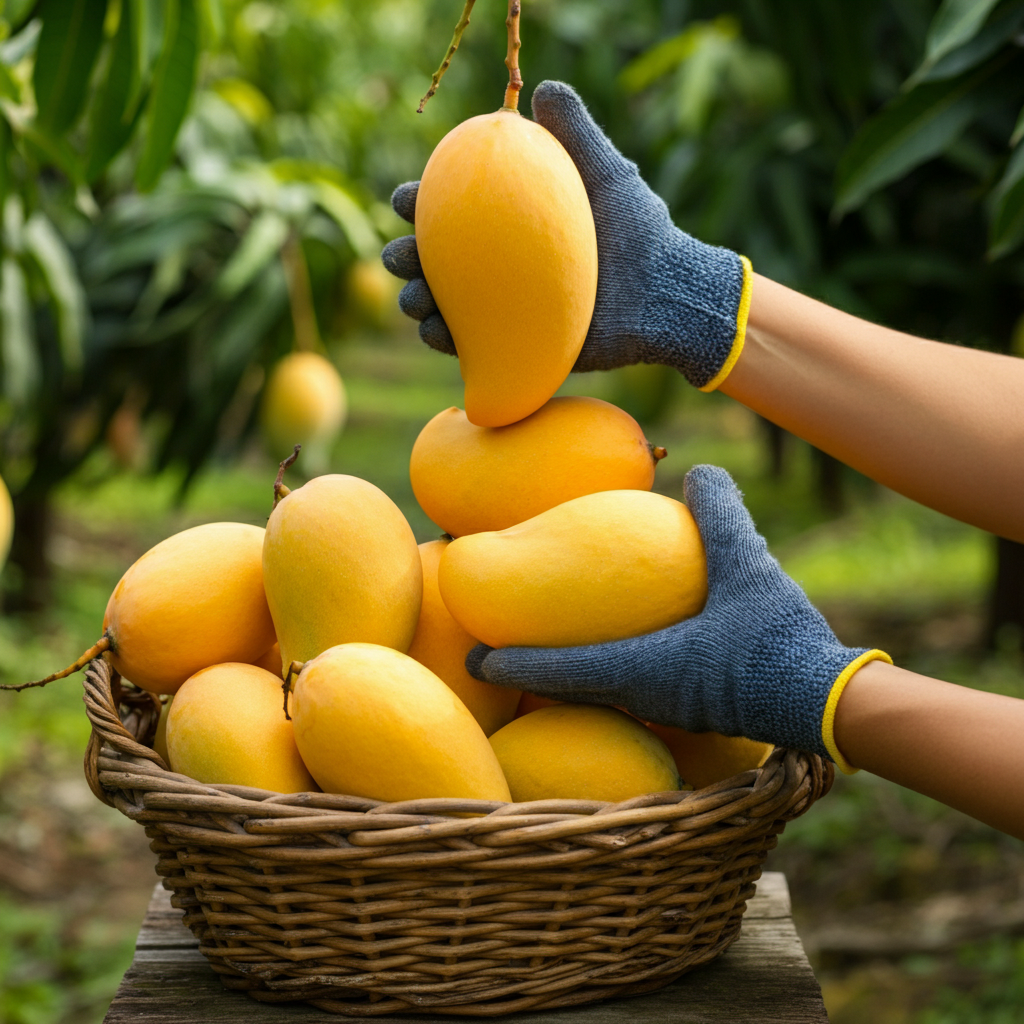
The journey of creating delicious soft dried mango begins long before any processing takes place. It all starts with the careful selection of ripe, high-quality mangoes. Not just any mango will do; specific varieties known for their sweet flavor, vibrant color, and firm yet juicy flesh are preferred. Harvesters meticulously hand-pick fruits at their peak ripeness, ensuring they are free from blemishes, bruising, or signs of overripening. 🥭
Factors such as sugar content, acidity, and fiber play a crucial role in determining the final taste and texture of the dried product. Varieties like Ataulfo, Tommy Atkins, and Kent are often favored for their ideal characteristics. This initial selection process is paramount, as the quality of the raw fruit directly impacts the overall appeal and flavor profile of the finished tropical snack. Without a superior starting material, even the most advanced drying techniques cannot produce a truly exceptional product.
Preparation: Peeling, Slicing, and Pre-Treatment
Once the perfectly ripe mangoes arrive at the processing facility, they undergo a series of crucial preparation steps. First, they are thoroughly washed to remove any dirt, debris, or residual pesticides. Following washing, the mangoes are carefully peeled. This can be done manually for smaller batches or using automated peeling machines for larger-scale production, ensuring minimal waste and consistent results. The peel is typically discarded, leaving behind the bright, golden flesh. ✨
Next, the peeled mangoes are deseeded and precisely sliced. The thickness of the slices is vital, as it affects both the drying time and the final texture of the irresistible mango treat. Slices are usually uniform, ranging from thin strips to thicker wedges, depending on the desired outcome. Before drying, some producers may opt for a pre-treatment step, such as a brief dip in a mild citric acid solution or a blanching process. This helps to preserve color, prevent oxidation, and sometimes enhance flavor, contributing to the mango’s shelf life and visual appeal.
The Drying Process: Dehydration Techniques
The core of creating soft dried mango lies in its dehydration. Several methods can be employed, each impacting the product’s final characteristics. The most common techniques aim to remove moisture content to a specific level (typically 15-20%) while retaining the fruit’s natural sweetness, aroma, and pliable texture.
- Hot Air Drying: This is a widely used method where mango slices are placed on trays and exposed to controlled hot air circulation. Temperature and airflow are carefully monitored to ensure even drying without “cooking” the fruit, which could lead to a tough or brittle texture. This process can take several hours, gradually reducing the water content.
- Osmotic Dehydration: In some cases, mango slices are first steeped in a sugar solution. This process draws out moisture from the fruit through osmosis, while some sugar penetrates the mango, enhancing sweetness and aiding in moisture retention during subsequent drying. It often precedes hot air drying.
- Infrared Drying: A more modern technique, infrared drying uses infrared radiation to heat the water molecules within the mango, accelerating evaporation. This method can result in better retention of nutrients and color due to shorter drying times and lower overall temperatures compared to conventional hot air drying.
Regardless of the method, the goal is to achieve a soft, chewy texture – not brittle or hard – which is characteristic of high-quality soft dried mango. The drying process is carefully controlled to prevent excessive moisture loss, which would result in a hard, crisp product rather than the desired soft, pliable snack. 🥭
Quality Control and Packaging
After the mango slices have reached the optimal moisture content, they undergo rigorous quality control. Each batch is inspected for consistency in color, texture, and taste. Any pieces that do not meet the strict quality standards are removed. This critical step ensures that only the best product makes it to the consumer. ✅
Finally, the soft dried mango is ready for packaging. Packaging plays a vital role in preserving freshness, preventing contamination, and extending shelf life. Products are typically sealed in airtight, moisture-proof bags or containers, often with a desiccant packet to absorb any residual moisture. Nitrogen flushing may also be used to remove oxygen and further prevent spoilage. Proper packaging ensures that when the product reaches the consumer, it retains its delicious flavor, appealing aroma, and perfect soft, chewy texture, ready to be enjoyed as a wholesome and satisfying snack. ✨