Dried Mango Shelf Life: How Long Does This Sweet Treat Last?
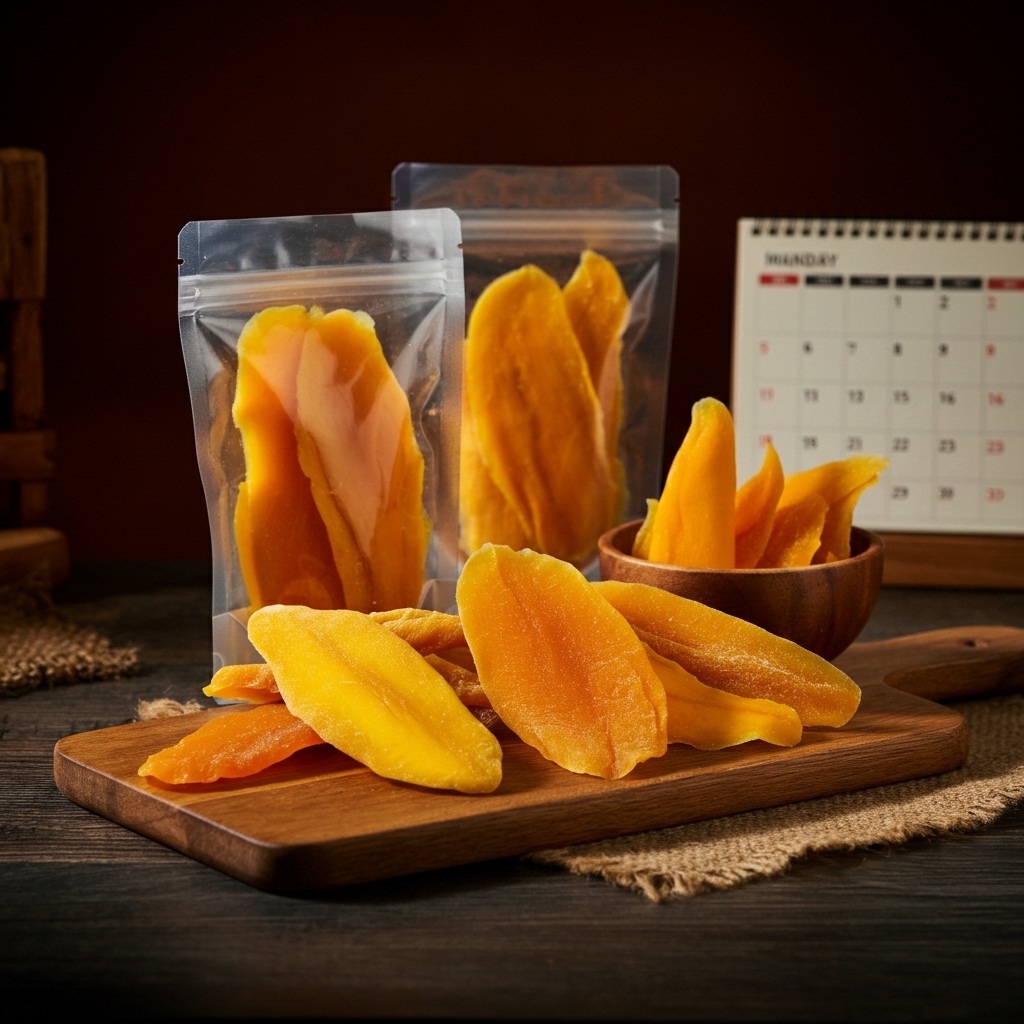
Dried Mango Shelf Life: How Long Does This Sweet Treat Last?
Dried mango is a delicious and convenient snack, offering a burst of tropical flavor and a chewy texture. But like all food products, it has a shelf life. Understanding how long your dried mango can last, and how to store it properly, is key to enjoying this sweet treat safely and preventing food waste. Whether you’re a casual snacker or a bulk buyer, knowing the ins and outs of dried mango longevity will ensure every bite is as fresh and flavorful as intended. 🥭
Understanding Dried Mango Shelf Life
The shelf life of dried mango can vary significantly depending on several factors, including how it was processed, packaged, and stored. Generally, unopened commercially packaged dried mango can last for 6 to 12 months when stored in a cool, dark pantry. This extended shelf life is due to the dehydration process, which removes most of the water content, inhibiting microbial growth.
Once opened, the exposure to air and moisture accelerates spoilage. Therefore, opened packages of dried mango should ideally be consumed within 1 to 3 months for best quality. For those who love the rich, sweet taste of delicious soft dried mango, proper storage after opening is crucial to maintain its irresistible texture and flavor. Different types of dried mango, such as those that are softer or have less sugar added, might have slightly shorter shelf lives.
Factors Affecting Dried Mango Shelf Life
Several critical elements play a role in determining how long your dried mango remains fresh. Understanding these factors can help you make informed decisions about purchasing and storage.
- Packaging: Air-tight, vacuum-sealed packages offer the best protection against oxygen and moisture, significantly extending shelf life. Once opened, resealing properly is vital.
- Moisture Content: The more moisture removed during drying, the longer the shelf life. Soft dried mango, which retains a bit more moisture for its chewy texture, might have a slightly shorter shelf life than cracker-crisp dehydrated mango if not stored perfectly.
- Presence of Preservatives: Some dried mango products contain sulfur dioxide or other preservatives to maintain color and prevent spoilage, which can prolong their shelf life. Natural or organic dried mango without preservatives may have a slightly shorter optimal consumption window.
- Storage Conditions: Exposure to heat, light, and humidity are the biggest enemies of dried mango. These elements can degrade its quality, cause it to become sticky, hard, or even moldy.
Tips for Maximizing Dried Mango Shelf Life
To ensure your dried mango stays fresh for as long as possible, follow these practical storage tips: ✨
- Store in an Airtight Container: Once opened, transfer dried mango to an airtight container or a heavy-duty resealable bag. This minimizes exposure to air and moisture.
- Keep in a Cool, Dark Place: A pantry, cupboard, or any location away from direct sunlight and heat sources (like ovens or stovetops) is ideal. Temperatures between 50-70°F (10-21°C) are best.
- Refrigeration: For even longer storage, especially in humid climates or after opening, consider refrigerating your dried mango. It can last up to 6 months in the fridge. Ensure it’s in an airtight container to prevent it from absorbing odors or moisture.
- Freezing: For the ultimate extension of shelf life, dried mango can be frozen for up to a year or even longer. Place it in a freezer-safe bag or container, removing as much air as possible. Thaw at room temperature or use directly in recipes. This is an excellent way to preserve your irresistible tropical snack for extended periods.
Remember to always check the “best by” or “expiration” date on the original packaging, but also trust your senses.
How to Tell if Dried Mango Has Gone Bad
Even with the best storage practices, dried mango can eventually spoil. Here are the tell-tale signs to look out for: 🧐
- Mold: Any visible fuzzy growth, regardless of color, means the mango is spoiled and should be discarded immediately.
- Discoloration: While dried mango naturally darkens over time, excessive dark spots, a dull appearance, or unusual patches of color can indicate spoilage.
- Off Odor: Fresh dried mango has a sweet, fruity aroma. If it smells sour, fermented, or otherwise unpleasant, it’s time to throw it out.
- Texture Changes: If your dried mango becomes excessively hard, brittle, sticky, or slimy, it’s likely gone bad. It should maintain a pleasant chewiness. For superior dried mango quality, consistency in texture is a key indicator of freshness.
- Pests: Infestation by pantry pests like moths or beetles is a clear sign of spoilage and requires disposal.
When in doubt, it’s always best to err on the side of caution and discard any dried mango that shows signs of spoilage. Enjoy your dried mango while it’s at its best for a truly delightful snacking experience! 🥭✨