Extend Shelf Life: How to Store Dried Mango Effectively
Extend Shelf Life: How to Store Dried Mango Effectively
Dried mango is a delicious and convenient snack, packed with natural sweetness and a chewy texture. Whether you’ve bought a large batch or made your own, knowing how to store dried mango properly is essential to maintaining its superior quality, flavor, and extending its shelf life. Improper storage can lead to a loss of texture, flavor degradation, and even spoilage. This guide will walk you through the best practices to keep your dried mango fresh and enjoyable for as long as possible.
Why Proper Storage is Crucial for Your Dried Mango
Just like any food product, dried mango is susceptible to environmental factors that can compromise its freshness. While the dehydration process removes most of the water content, making it less prone to immediate spoilage than fresh fruit, it’s not entirely immune. Proper storage safeguards against common issues like mold growth, hardening, and loss of its vibrant flavor and characteristic chewiness.
Failing to store dried mango correctly can quickly diminish its appeal. Exposure to air and moisture can lead to it becoming overly hard or, conversely, developing a sticky, clumpy texture. More importantly, it can become a breeding ground for mold if humidity is too high. By taking a few simple steps, you can ensure every piece remains a delightful tropical snack, retaining its natural goodness and satisfying chew.
Understanding the Enemies of Freshness: Key Storage Factors
To effectively store dried mango, it’s vital to understand the primary elements that can degrade its quality: air, moisture, light, and temperature. Each plays a significant role in how quickly your snack loses its optimal state. Protecting your dried mango from these factors is the cornerstone of successful preservation.
- Air Exposure: When dried mango comes into contact with air, it begins to oxidize. This can lead to a loss of flavor, changes in color, and a tougher, less pleasant texture. Oxygen can also encourage the growth of certain microorganisms.
- Moisture: Although dried, mango still contains a small percentage of water. Exposure to high humidity or moisture can cause it to rehydrate, making it sticky and much more susceptible to mold and bacterial growth.
- Light: Direct sunlight or even prolonged exposure to ambient light can cause dried mango to lose its color and some of its nutritional value. It can also contribute to flavor degradation.
- Temperature: High temperatures can accelerate spoilage, causing the natural sugars to caramelize or the fruit to become overly hard. A cool, stable temperature is ideal for long-term freshness.
Top Methods for Storing Dried Mango Long-Term
Choosing the right storage method depends on how long you intend to keep your dried mango. For short-term enjoyment (a few weeks), a pantry is usually sufficient. For longer periods, refrigeration or freezing will provide the best results, ensuring your irresistible soft dried mango retains its peak quality.
Airtight Containers: Your First Line of Defense
Regardless of where you store it, an airtight container is non-negotiable. Glass jars with tight-fitting lids, vacuum-sealed bags, or heavy-duty freezer bags (squeezed to remove as much air as possible) are excellent choices. These containers create a barrier against air and moisture, which are the main culprits behind spoilage.
Pantry Storage (Short to Medium Term)
For consumption within 1-2 months, store your dried mango in an airtight container in a cool, dark, and dry pantry or cupboard. Ensure it’s away from heat sources like ovens or direct sunlight. The ideal temperature range is typically between 50-70°F (10-21°C).
Refrigerator Storage (Medium to Long Term)
If you plan to keep your dried mango for several months (up to 6 months), the refrigerator is a better option. The cooler temperature further slows down degradation. Again, always use an airtight container to prevent the dried mango from absorbing odors from other foods or accumulating condensation, which can lead to mold.
Freezer Storage (Longest Term)
For truly long-term storage, up to a year or even longer, the freezer is your best friend. Place the dried mango in a vacuum-sealed bag or a freezer-safe airtight container. Freezing halts most spoilage processes, preserving the texture and flavor almost indefinitely. Just remember to let it come to room temperature before enjoying for the best texture.
Recognizing Spoilage: When to Discard Dried Mango
Even with the best storage practices, it’s wise to inspect your dried mango before consuming, especially if it’s been stored for an extended period. Trust your senses – sight, smell, and touch – to determine if your snack is still safe to eat. Discarding spoiled food promptly prevents potential health issues and ensures you only enjoy the freshest, most delicious pieces.
Here are the tell-tale signs that your perfectly preserved dried mango might have gone bad:
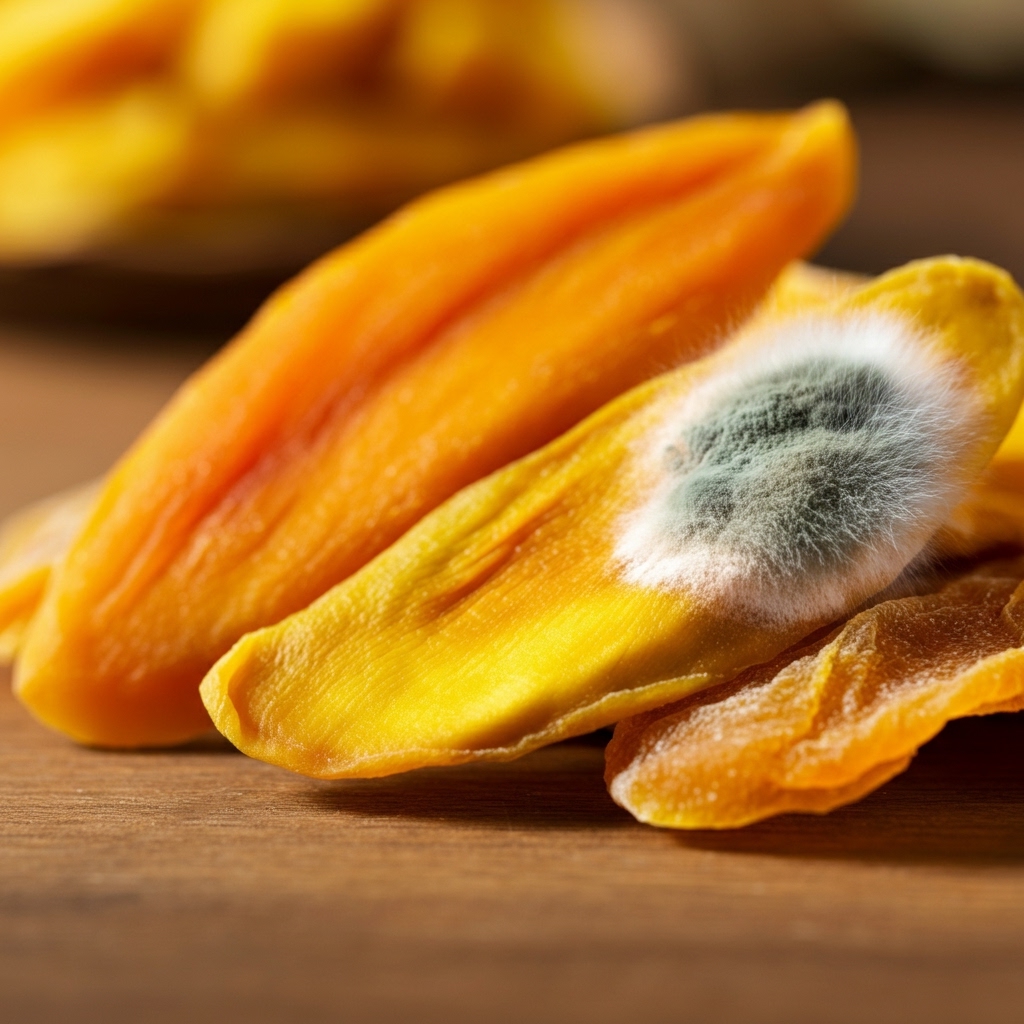
- Mold Growth: Any fuzzy, discolored spots (green, white, black) are a clear sign of mold. Do not attempt to cut off the moldy parts, as spores can be invisible and spread throughout the product.
- Unusual Odor: Fresh dried mango has a sweet, fruity aroma. If you detect any sour, yeasty, or off-smells, it’s best to discard it.
- Significant Discoloration: While some natural darkening can occur over time, if the mango appears unusually dark, spotted, or has lost its natural orange hue, it might be past its prime.
- Hardness or Brittleness: If your dried mango has become excessively hard, brittle, or difficult to chew, it has likely lost too much moisture and its desirable texture. While not necessarily unsafe, the eating experience will be poor.
- Extreme Stickiness or Sliminess: This could indicate rehydration and potential bacterial growth.
When in doubt, it’s always safer to err on the side of caution and throw it out. Enjoying properly stored dried mango ensures you get to savor this delightful tropical treat at its best, every single time.