Choosing the Best Mango Varieties for Dehydrating
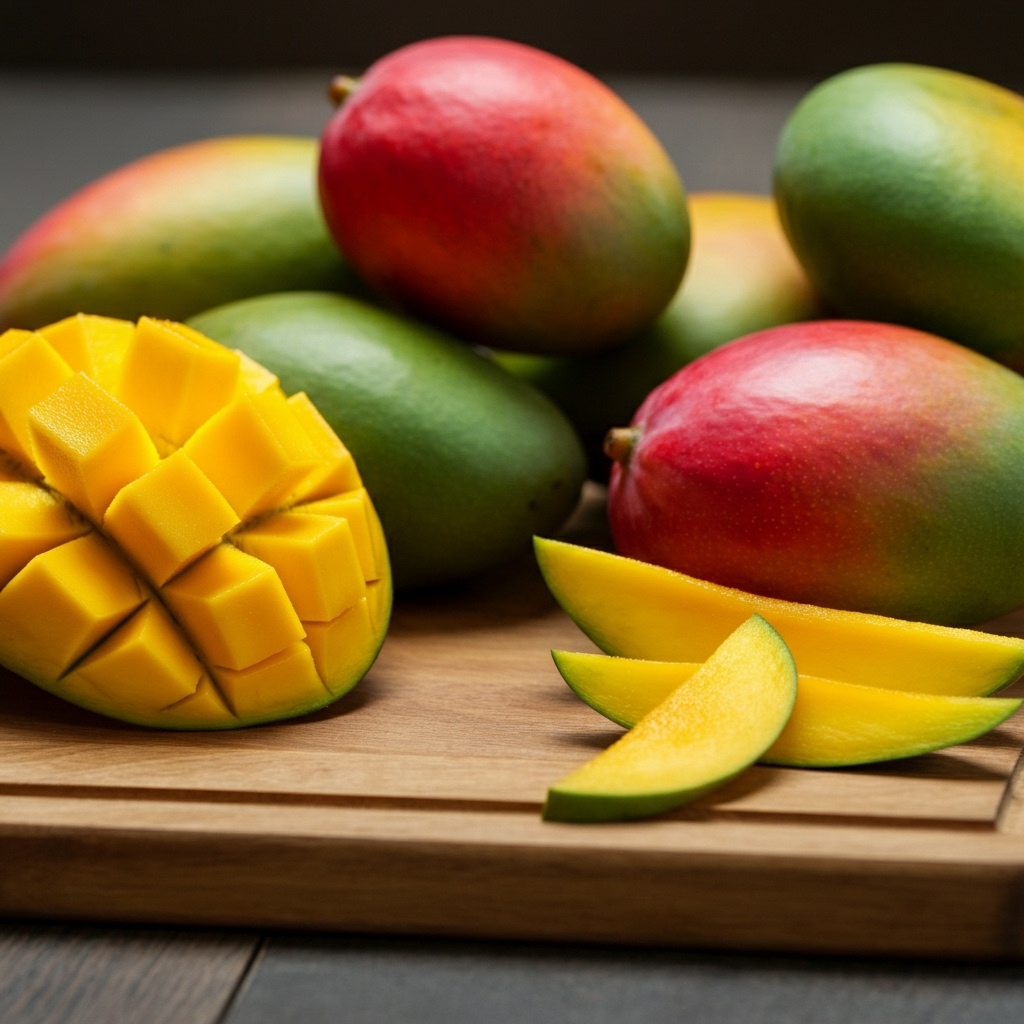
Choosing the Best Mango Varieties for Dehydrating
Introduction: The Importance of Selecting the Right Mango
Drying mangoes is a fantastic way to preserve this tropical fruit’s sweet, tangy flavor and abundant nutrients, allowing you to enjoy them year-round. However, not all mango varieties are created equal when it comes to dehydration. The success of your dried mango project largely depends on starting with the right type of mango. Selecting specific varieties can make a significant difference in the final product’s texture, flavor, and overall appeal.
A poorly chosen mango might result in a fibrous, overly sour, or bland dried snack. Conversely, picking a variety known for its suitability for drying will yield a chewy, naturally sweet, and incredibly satisfying treat. Understanding these distinctions is the first step towards creating the perfect delightful soft dried mango that retains its vibrant color and intense flavor.
Key Characteristics of Mangoes Ideal for Drying
When searching for the perfect mango to dehydrate, several characteristics are paramount. Fiber content is a crucial factor; varieties with low fiber will result in a smoother, less stringy dried product. High fiber can make the dried mango tough and unpleasant to chew. Another vital characteristic is the sugar content. Naturally sweeter mangoes require less or no added sugar during the drying process, making for a healthier and more authentic snack.
Furthermore, consider the texture of the flesh. Mangoes with firm, non-mushy flesh hold up better during the drying process, maintaining their shape and integrity. A high flesh-to-seed ratio is also desirable, as it means more edible fruit and less waste. Finally, the flavor profile – a balance of sweetness and acidity – is key to a delicious dried product that truly captures the essence of a tropical snack you can’t resist.
Top Mango Varieties Recommended for Dehydrating
Based on the ideal characteristics, several mango varieties consistently prove excellent for drying. Here are some top contenders:
- Ataulfo (Honey Mango): Known for its small seed, virtually fiber-free flesh, and intense sweetness, Ataulfo mangoes dry beautifully into chewy, flavorful pieces. Their smooth texture makes them a favorite for many.
- Tommy Atkins: While often larger and with a slightly higher fiber content than Ataulfo, Tommy Atkins mangoes are widely available and offer a good balance of sweetness and firmness. They hold their shape well after drying.
- Alphonso: Hailed as the “King of Mangoes,” Alphonso boasts an incredibly rich, sweet, and aromatic flavor with minimal fiber. Though sometimes pricier, the resulting dried Alphonso is a gourmet experience.
- Kent: With a juicy, tender, and virtually fiber-free flesh, Kent mangoes are another excellent choice. They offer a good balance of sweetness and a slightly tart undertone, making for a complex dried flavor.
- Keitt: These large, late-season mangoes have firm, sweet flesh with very few fibers. Their substantial size means more fruit per mango, making them efficient for drying.
Experimenting with these mango varieties will help you discover your personal preference for dried mango, ensuring a consistently high-quality end product.
Maximizing Your Dried Mango Yield: Tips and Best Practices
Beyond selecting the right variety, a few best practices can further enhance your dried mango results. Always start with ripe but firm mangoes; overripe mangoes can become mushy, while underripe ones will lack sweetness. Thoroughly wash and peel your mangoes, then slice them evenly. Uniform slices ensure consistent drying times and a better final texture. Aim for slices about 1/4 inch (0.6 cm) thick.
Pre-treatment, such as a quick dip in lemon juice or a solution of citric acid, can help prevent browning and preserve the vibrant color, though it’s optional for naturally colorful varieties. When arranging slices on dehydrator trays, ensure they don’t overlap to allow for proper air circulation. Drying temperatures typically range from 135°F to 145°F (57°C to 63°C), with drying times varying from 6 to 12 hours depending on humidity, slice thickness, and dehydrator model. The goal is a leathery, pliable texture – not brittle, but not sticky. Following these steps will help you achieve a truly premium soft dried mango experience.