Soft Dried Mango Nutrition Facts: A Sweet & Healthy Snack Guide
Soft Dried Mango Nutrition Facts: A Sweet & Healthy Snack Guide
Understanding Soft Dried Mango: More Than Just a Treat
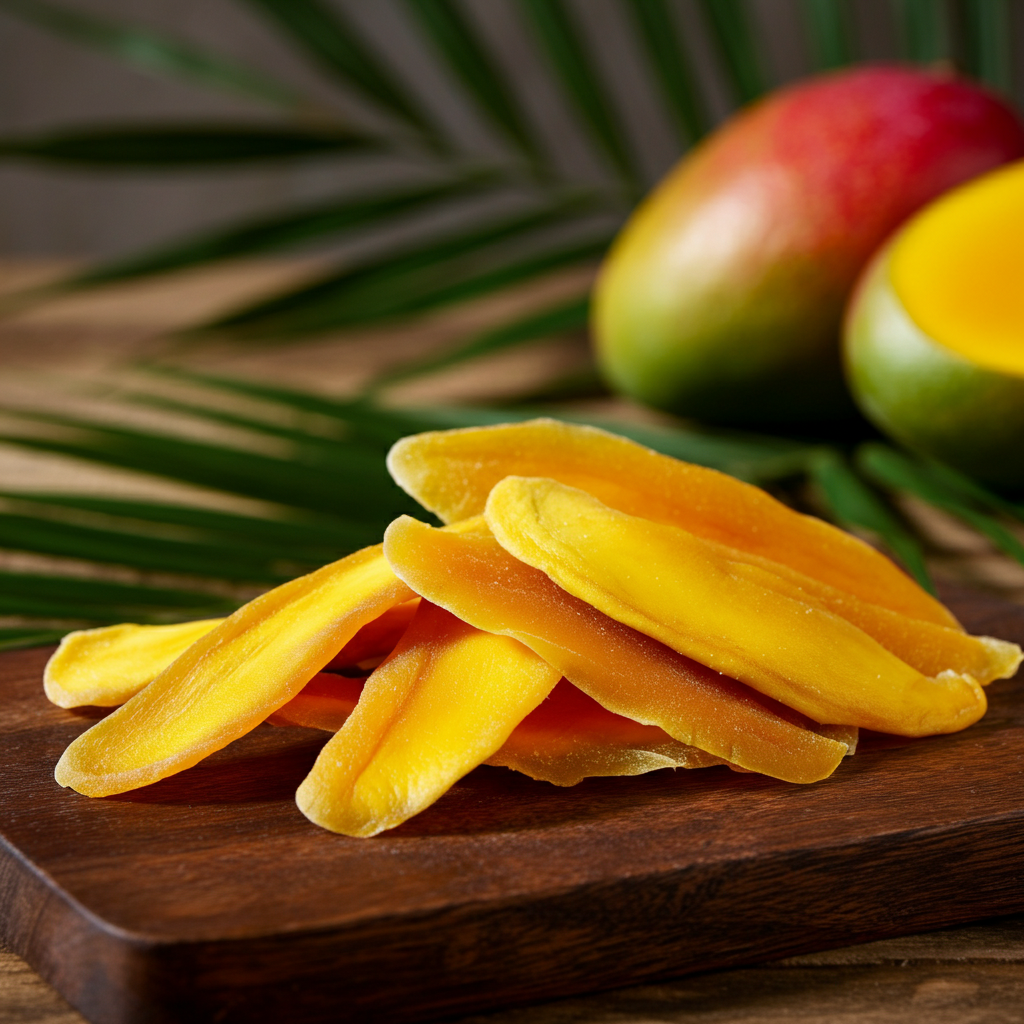
Soft dried mango, with its chewy texture and intense tropical flavor, is a beloved snack enjoyed by many. Unlike fresh mango, which is high in water content, the drying process removes most of the moisture, concentrating its sugars, nutrients, and flavors. This makes it a convenient and delicious way to enjoy the goodness of mango all year round. Many people consider soft dried mango a tropical snack you can’t resist, perfect for on-the-go energy. 🥭
While it’s undeniably tasty, understanding the “soft dried mango nutrition facts” is crucial for making informed dietary choices. It’s often perceived as a healthier alternative to candies, but its concentrated nature means it also packs a punch in terms of calories and sugar. Let’s delve into what exactly makes up this delightful snack and how it can fit into a balanced diet. 💡
Detailed Nutritional Profile of Soft Dried Mango
When you reach for a serving of soft dried mango, you’re getting a concentrated dose of energy and various micronutrients. The exact nutritional values can vary slightly depending on the brand and processing methods, but general guidelines provide a good overview. Typically, a 40-gram serving (about 1/4 cup) contains the following: 📊
- Calories: Approximately 130-150 kcal. This makes it a great energy booster.
- Carbohydrates: Around 30-35 grams, primarily from natural sugars.
- Sugars: About 25-30 grams. It’s important to note that most of this is natural fruit sugar (fructose, glucose). Some brands might add extra sugar, so always check the label.
- Fiber: Roughly 1-2 grams. While less than fresh mango, it still contributes to digestive health.
- Protein: Minimal, usually less than 1 gram.
- Fats: Negligible, typically less than 0.5 grams.
Beyond the macronutrients, soft dried mango is also a source of important vitamins and minerals. It’s particularly rich in Vitamin A (from beta-carotene), which is vital for vision and immune function, and Vitamin C, an antioxidant. You’ll also find smaller amounts of B vitamins, potassium, and magnesium. This makes soft dried mango a more nutrient-dense option than many processed snacks. ✨
Health Benefits of Incorporating Soft Dried Mango
Despite its sugar content, soft dried mango offers several health benefits when consumed in moderation. Its nutritional composition makes it a valuable addition to a balanced diet: 💪
- Energy Boost: The high carbohydrate content provides quick and sustained energy, making it an excellent pre-workout snack or a pick-me-up during a busy day.
- Rich in Antioxidants: Mango is packed with antioxidants like beta-carotene, quercetin, and astragalin. These compounds help protect your cells from damage caused by free radicals, potentially reducing the risk of chronic diseases.
- Supports Digestive Health: The dietary fiber, though modest, aids in maintaining a healthy digestive system, preventing constipation and promoting regularity.
- Immune System Support: Thanks to its Vitamin A and C content, soft dried mango can contribute to a stronger immune system, helping your body fight off infections.
- Eye Health: The beta-carotene in mango is converted to Vitamin A in the body, which is crucial for good vision and preventing age-related macular degeneration.
Incorporating soft dried mango into your diet can be a delicious way to support overall well-being, provided it’s part of a varied and balanced eating plan. 💖
Smart Snacking: Portion Control and Considerations
While the “soft dried mango nutrition facts” highlight its many benefits, mindful consumption is key due to its concentrated sugar and calorie content. Because the water is removed, you can eat a larger quantity of dried mango compared to fresh mango before feeling full, leading to higher calorie intake. It’s easy to overdo it, so consider pre-portioned bags or measuring out your serving size. ⚖️
Look for varieties that are labeled “no added sugar” or “unsweetened” to avoid extra calories and refined sugars. Combining soft dried mango with a source of protein or healthy fats, like nuts or seeds, can help slow down sugar absorption and keep you feeling fuller for longer. Enjoying this tropical snack responsibly allows you to reap its nutritional rewards without derailing your health goals. Happy snacking! 🥭✨