Fresh vs. Dried Mango: A Nutritional Deep Dive
Fresh vs. Dried Mango: A Nutritional Deep Dive
Mangoes, often hailed as the “king of fruits,” are a delicious and nutritious tropical delight. Whether enjoyed fresh or in its convenient dried form, this vibrant fruit offers a wealth of vitamins, minerals, and antioxidants. However, the processing involved in creating dried mango significantly alters its nutritional profile compared to its fresh counterpart. Understanding these differences can help you make informed choices about which form best suits your dietary needs and lifestyle.
From a refreshing snack to a versatile ingredient in various dishes, mangoes are incredibly popular worldwide. But when it comes to fresh vs. dried mango nutrition, what are the key distinctions you should be aware of? Let’s delve into the specifics to uncover how these two forms stack up against each other.
Understanding the Basics: Fresh Mango Nutrition
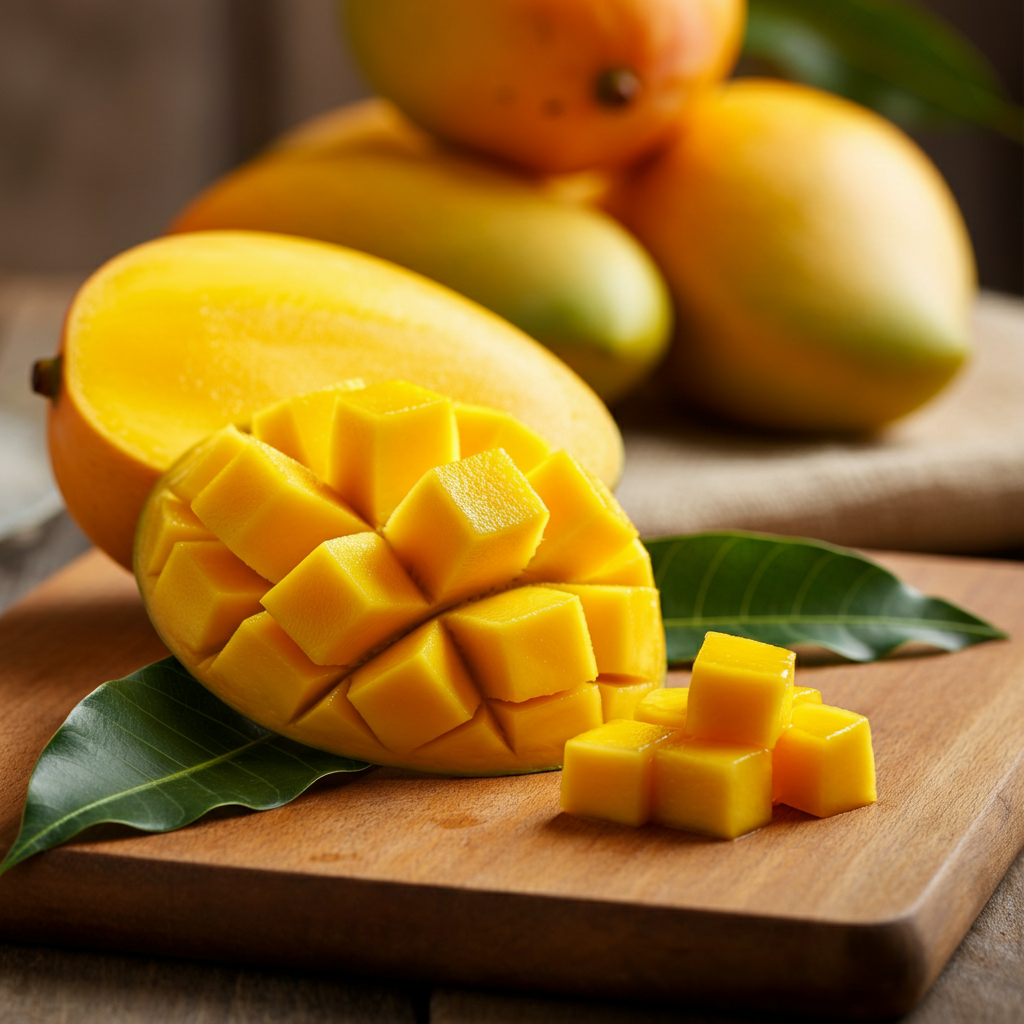
Fresh mango is a powerhouse of hydration, primarily composed of water, which contributes to its low-calorie density. A typical serving of fresh mango (about one cup, sliced) is relatively low in calories but rich in essential nutrients. It’s an excellent source of several vitamins and minerals that are crucial for overall health.
Here’s a quick look at what fresh mango typically offers:
- High Water Content: Promotes hydration and aids digestion.
- Vitamin C: A potent antioxidant vital for immune function and skin health.
- Vitamin A (from Beta-carotene): Essential for vision, immune function, and cell growth.
- Fiber: Supports digestive health and helps maintain stable blood sugar levels.
- Potassium: Important for blood pressure regulation and fluid balance.
- Antioxidants: Including polyphenols and carotenoids, which combat oxidative stress.
Enjoying fresh mango is a great way to boost your daily nutrient intake while staying refreshed, especially during warmer months. Its natural sweetness and juicy texture make it a delightful addition to any diet.
Dried Mango: Concentrated Goodness (and Calories)
Dried mango is made by removing most of the water content from fresh mango, typically through methods like sun-drying, oven-drying, or dehydration. This process significantly concentrates the fruit’s natural sugars, calories, and many of its nutrients into a smaller, denser package. While it offers unparalleled convenience and a satisfying chewy texture, it’s crucial to be mindful of its concentrated nature.
The concentration effect means that a small piece of dried mango can have a similar calorie and sugar content to a much larger portion of fresh mango. This makes delicious soft dried mango an excellent energy-dense snack, particularly beneficial for athletes or those needing a quick energy boost. However, for individuals monitoring their sugar or calorie intake, portion control becomes key.
Many people find the tropical snack you can’t resist to be an incredibly convenient option for on-the-go snacking or as an addition to trail mixes and breakfast cereals. Its extended shelf life and portability make it a staple for many households.
Key Nutritional Differences: Vitamins, Minerals, and More
When comparing fresh vs. dried mango nutrition, several key differences emerge due to the dehydration process:
- Calories and Sugar: Dried mango has a significantly higher calorie and sugar content per serving by weight than fresh mango. This is because the removal of water concentrates all the naturally occurring sugars (fructose, glucose, sucrose) into a smaller mass. Some commercially dried mangoes may also contain added sugars, so always check the label.
- Fiber: While the water is removed, the fiber remains. Therefore, gram for gram, dried mango often has more dietary fiber than fresh mango. This can be beneficial for digestive health, but again, remember the concentrated nature means consuming less volume for the same amount of fiber.
- Vitamin C: This water-soluble vitamin is sensitive to heat and light. As a result, dried mango typically contains much less Vitamin C than fresh mango, as a significant portion is lost during the drying process.
- Vitamin A (Beta-carotene): Unlike Vitamin C, beta-carotene (which the body converts to Vitamin A) is more stable and largely retained during drying. Both fresh and dried mango remain good sources of Vitamin A.
- Minerals: Minerals like potassium, magnesium, and iron are generally well-preserved during the drying process. In fact, due to the concentration, a serving of dried mango may provide a higher amount of these minerals compared to an equivalent weight of fresh mango.
- Antioxidants: While some heat-sensitive antioxidants may be reduced, others like polyphenols can become more concentrated or even form new beneficial compounds during drying.
Understanding these nutritional shifts is essential for incorporating both forms of mango effectively into your diet.
Making the Smart Choice: Fresh or Dried Mango?
Ultimately, the choice between fresh and dried mango depends on your individual needs, preferences, and dietary goals. Both offer distinct advantages:
- Choose Fresh Mango if:
- You’re looking for hydration and a lower calorie-per-volume snack.
- You want to maximize your Vitamin C intake.
- You prefer a less concentrated, more refreshing fruit experience.
- You’re mindful of your sugar intake and prefer natural, unprocessed options.
- Choose Dried Mango if:
- You need a convenient, portable, and energy-dense snack for on-the-go or during physical activity.
- You’re looking for a longer shelf-life fruit option.
- You enjoy its chewy texture and intense sweetness.
- You want a concentrated source of fiber and certain minerals.
Regardless of your choice, portion control is always important, especially with dried fruits due to their concentrated sugar and calorie content. Integrating both fresh and premium soft dried mango into a balanced diet allows you to enjoy the unique benefits and flavors each form has to offer. Both are excellent sources of nutrients and can contribute positively to a healthy lifestyle.