Freeze dried fruit supplier comparison: South American Fruit Suppliers
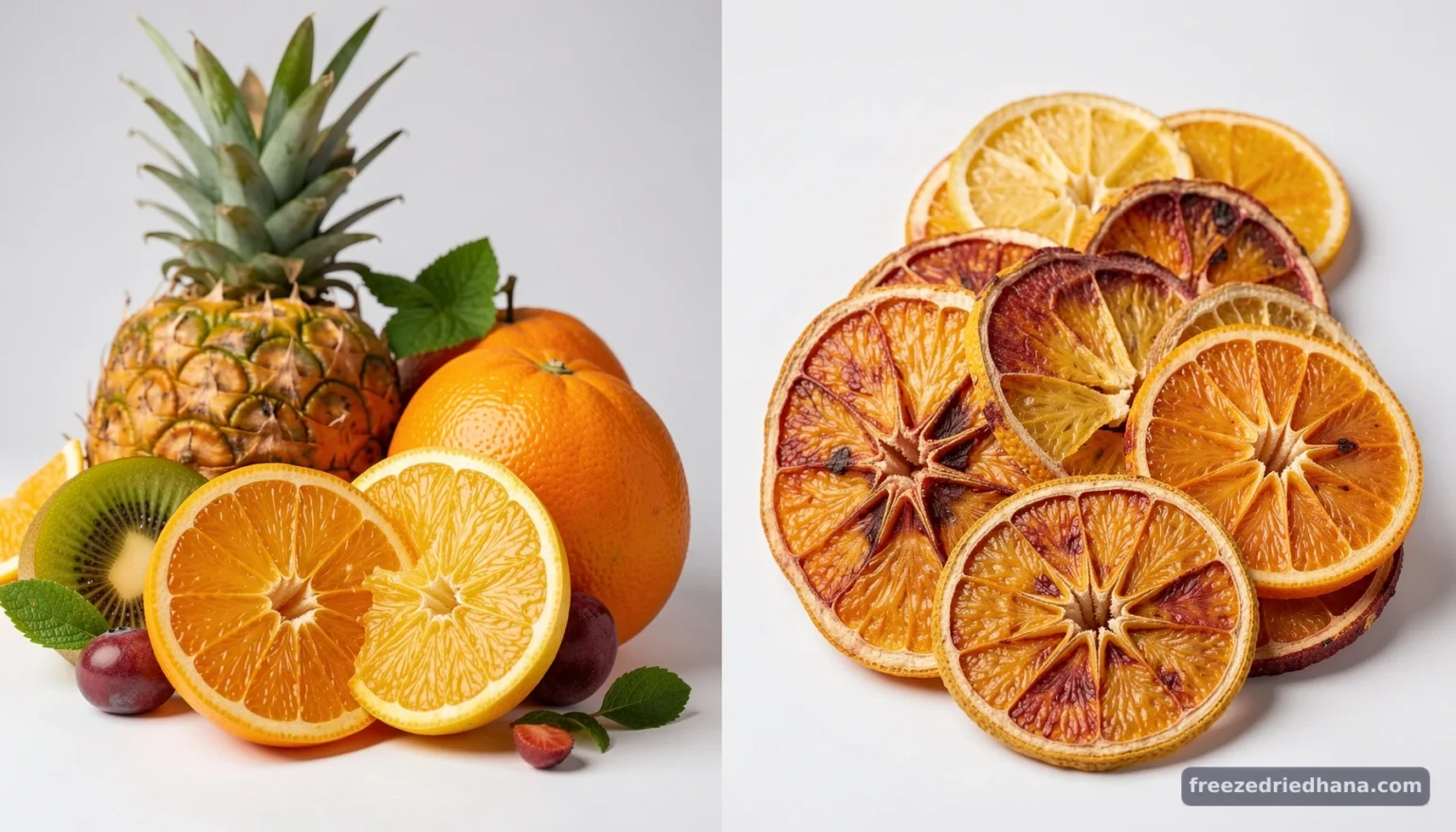
A freeze dried fruit supplier comparison favors freeze-dried sourcing when your priority is a shelf-stable ingredient, consistent formats, and reduced moisture in finished products; South American Fruit Suppliers are a better fit when you need fresh produce and can manage seasonal harvests and cold-chain transport. For mango, dragon fruit, and durian, the best choice depends on the specific origin, product form, destination market, and verified shipment terms—not geography alone.
1. Supplier Design and Product Fit
The central distinction is product form: freeze-dried suppliers sell a processed, low-moisture ingredient, while South American suppliers generally serve fresh-produce markets. These models solve different sourcing problems, so compare them against your intended application before comparing quotes.

What are you actually buying?
A freeze-dried fruit supplier uses lyophilization, a vacuum process that removes moisture through sublimation. The result is typically light, crisp fruit that can be supplied whole, sliced, diced, powdered, or as processing fines. Buyers use these forms in snacks, cereals, bars, confectionery, beverages, and other manufactured foods.
South American fruit suppliers are exporters, cooperatives, and agribusinesses in countries including Chile, Peru, Brazil, Colombia, and Ecuador. Their offer is principally fresh produce, moved through packhouses and refrigerated logistics. Regional strengths include Chilean table grapes and cherries, Peruvian avocados and blueberries, Brazilian citrus and mangoes, Ecuadorian bananas, and Colombian exotic fruit such as physalis and pitahaya.
That difference matters when assessing tropical fruit export trends and sourcing needs. A buyer seeking fresh mango for retail has a different requirement from a manufacturer seeking crunchy mango pieces that can be blended into a dry snack. The same distinction applies to dragon fruit and durian: confirm that a specific supplier offers the species, origin, grade, and form you need. Regional capability should not be treated as proof of an available SKU.
How do the supply models compare?
Freeze-dried supply is designed around processing specifications and repeatable ingredient formats. South American fresh supply is designed around harvest, packhouse handling, phytosanitary compliance, and a refrigerated journey to market. One is not automatically a substitute for the other.
For Freezedriedhana, the available company information describes Vietnamese freeze-dried and soft-dried fruit manufacturing, fruit powders, OEM fruit processing services and private-label options, and FCL and LCL shipping. The brand reports ISO 22000 certification, HACCP, FDA registration, and a 24-month shelf life for its freeze-dried fruit range. Treat product claims as a starting point for due diligence when choosing a reliable freeze-dried fruit manufacturer: request current certificates, specifications, and lot documents for the exact item being evaluated.
If you are comparing the health and processing implications of fresh and freeze-dried products, Freezedriedhana also offers a guide to whether freeze-dried fruits are healthy.
2. Key Specifications, Quality, and Performance
For processed fruit, compare moisture, form, safety documents, and packaging; for fresh exports, compare grade, sampling results, phytosanitary records, and cold-chain arrangements. The best supplier is the one whose documented specifications match the finished product and destination market.
What should a freeze-dried buyer verify?
A commonly used benchmark in the provided supplier comparison framework is moisture content below 3%, supported by a Certificate of Analysis (COA). Buyers should check whether the COA is tied to the specific SKU and lot, and whether the specification also addresses water activity, cut size, color, aroma, and acceptable variation.
Request documentation and samples before scaling. Important checks include:
- Format: Whole, sliced, diced, powder, or fines; specify dimensions where relevant.
- Composition: Confirm whether the product is 100% fruit or includes sugar, syrup, or other ingredients.
- Microbiological controls: Ask about testing for Salmonella, E. coli, and Listeria, plus relevant food-safety audits.
- Packaging: Review moisture-barrier materials and whether nitrogen flushing is available for the product.
- Traceability: Confirm origin information and how lot-level records are maintained.
Freeze-dried and soft-dried products should not be treated as equivalent. The former is crunchy and low in moisture; the latter is heat-dried and chewy. Freezedriedhana lists both product types, so buyers should ensure quotations and samples refer to the processing method they intend to purchase.
What does fresh-fruit performance depend on?
For South American fresh fruit, samples and pre-shipment checks can help buyers evaluate metrics such as Brix, firmness, size, and shelf-life stability. A fresh-fruit specification also needs to account for pack style, grade, defects, temperature management, and the requirements of the importing market.
South American exporters operate under phytosanitary rules relevant to the destination, including requirements associated with USDA APHIS, EU authorities, and local agencies. GlobalG.A.P., BRCGS, Fair Trade, and organic certifications may be relevant, but buyers must confirm scope, validity, and applicability to the supplier and product in question.
For processed fruit, compare the supplier’s product specification and COA; for fresh produce, request harvest and packhouse details, shipment records, inspection arrangements, and required export documents. Neither a general company certification nor a sample alone proves that every shipment will meet your quality expectations. Define acceptance criteria in the purchase agreement.
3. Harvest Availability, Logistics, and Real-World Use
Fresh supply is tied to crop cycles and refrigerated transit, whereas freeze-dried fruit can be stored and shipped as a shelf-stable ingredient when correctly processed and packaged. Neither model guarantees year-round availability of every exotic fruit; buyers should validate the crop calendar, inventory, and delivery plan for each SKU.
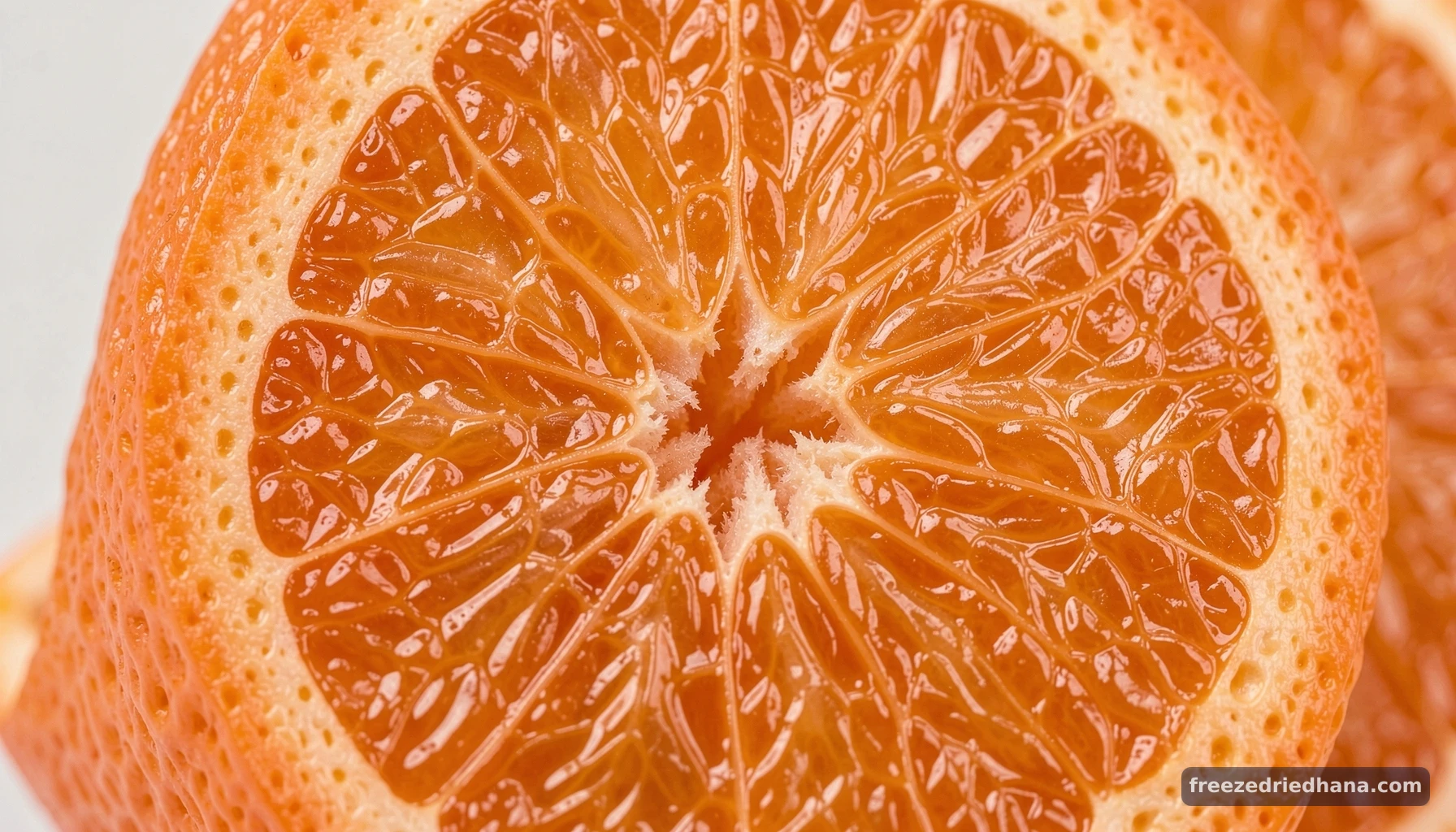
Can either source guarantee year-round mango, dragon fruit, and durian?
Not on the information available. The Southern Hemisphere’s seasons can complement Northern Hemisphere supply, and South American exporters use that seasonal advantage to serve buyers during parts of the Northern Hemisphere winter. However, this does not establish uninterrupted availability for a particular fruit, grade, or origin.
The grounded regional information identifies Brazil as a supplier of mangoes, but it does not establish South American availability of dragon fruit or durian. Freezedriedhana lists freeze-dried mango and red dragon fruit powder, among other products, but the available company information does not confirm a durian SKU or a year-round harvest schedule. Ask suppliers for current availability, origin, production windows, and realistic lead times rather than assuming that a tropical product is continuously available.
For a supply plan covering all three fruits:
- Specify the product form: fresh, freeze-dried pieces, soft-dried fruit, or powder.
- Confirm origin and crop window: request the country, harvest period, and expected shipment dates.
- Check continuity: ask whether supply depends on a single harvest, multiple growing areas, or existing processed inventory.
- Validate samples: assess sensory quality and performance in the intended application.
- Agree on substitutions: document whether another origin or cut is acceptable if the requested item is unavailable.
How do shipping and lead times change the economics?
Fresh fruit requires cold-chain coordination from farm to packhouse and port. South American suppliers may use controlled-atmosphere containers, which regulate oxygen and carbon dioxide during maritime transit. The cited operating framework notes that maritime journeys may take 15–30 days; actual transit and arrival condition depend on route, port, carrier, and shipment conditions.
Freeze-dried fruit avoids the need for refrigerated transport in the same way fresh produce requires it, but it is bulky relative to its weight. Dimensional weight can affect freight economics, so compare delivered costs rather than product price alone. Confirm packaging protection against moisture exposure during storage and transport.
Incoterms also influence the buyer’s responsibilities and landed cost. Fresh produce deals commonly use FOB or CIF under Incoterms 2020; freeze-dried quotes may require a separate comparison of EXW and delivered terms. Ask what is included, who arranges insurance and clearance, and how shipment risk transfers. For more on international bulk procurement, review this guide to a wholesale freeze-dried fruit supplier for global bulk supply.
4. Procurement Usability, Pros and Cons, and Buyer Decision
The most reliable selection process starts with the application and destination market, then tests supplier evidence, samples, logistics, and commercial terms. A regional label is not enough: qualify the actual exporter or manufacturer, product, and shipment route.
Independent pros and cons
Freeze-dried fruit supplier comparison
Pros
- Provides forms suited to dry blends, bars, cereals, snacks, powders, and confectionery.
- Low moisture and appropriate barrier packaging can support shelf stability; the supplied benchmark is below 3% moisture.
- Processed inventory can make procurement less directly dependent on a fresh shipment arriving within a short selling window.
- Manufacturers such as Freezedriedhana describe OEM, private-label, and FCL/LCL supply options.
Cons
- Freeze-dried products can be bulky for their weight, making dimensional freight costs important.
- Quality varies by cut, color, moisture, and packaging; buyers need SKU-specific documentation and sensory samples.
- The processing format cannot replace fresh fruit in applications where fresh texture or appearance is essential.
- Pricing and minimum order quantities are supplier- and product-specific and must be confirmed by quotation.
South American Fruit Suppliers
Pros
- The region offers several established export categories, including Chilean grapes and cherries, Peruvian blueberries and avocados, Brazilian citrus and mangoes, and Ecuadorian bananas.
- Southern Hemisphere seasonality can complement Northern Hemisphere sourcing periods.
- Export procedures can include phytosanitary certificates, certificates of origin, bills of lading, and third-party inspection.
Cons
- Fresh-fruit quality and availability are exposed to harvest variability, including climate effects such as El Niño and La Niña.
- Cold-chain shipping, port congestion, and changing maritime freight rates can affect landed cost and arrival condition.
- The region’s broad commodity strengths do not prove that every supplier offers dragon fruit, durian, or a specific mango variety.
- Buyers must manage fresh-produce import and phytosanitary requirements for their destination market.
A practical buyer decision framework
Choose a freeze-dried supplier when:
- Your application needs crisp inclusions, powders, or another dry format.
- You want to reduce dependence on a refrigerated fresh-fruit shipment for the finished ingredient.
- You can define and verify moisture, cut size, food-safety, origin, and packaging requirements.
- You need to discuss private-label or OEM manufacturing options.
Choose South American fresh suppliers when:
- Your product or retail channel requires fresh fruit.
- You can plan around crop windows and manage cold-chain logistics.
- The supplier can provide the required phytosanitary and commercial documents.
- You are prepared to assess harvest quality, sample results, freight, and delivery risk.
For either route, use this sequence: Step 1: define use and destination; Step 2: request the current specification and certifications; Step 3: evaluate samples; Step 4: compare full landed cost and lead time; Step 5: document quality tolerances, substitutions, and shipment responsibilities in the contract.
Trade agreements, value, and pricing economics
Trade agreements can affect import duties, but no specific agreement, tariff rate, or product-level eligibility is established by the information available here. Do not assume that a Vietnamese or South American origin automatically receives preferential treatment. Check the destination country, HS code, rules of origin, and current customs guidance with a qualified broker before finalizing a comparison.
| Comparison criterion in English | freeze dried fruit supplier comparison | South American Fruit Suppliers | Verdict in English |
|---|---|---|---|
| Primary supply model | Processed fruit ingredient; formats may include whole, sliced, diced, powder, or fines | Primarily fresh export produce moved through packhouses and cold-chain logistics | Choose by required product form, not by region alone |
| Tropical fruit fit | Freezedriedhana lists freeze-dried mango and red dragon fruit powder; confirm exact SKU and origin | Brazil is identified as a mango supplier; availability of dragon fruit and durian is not established here | Verify each fruit, form, origin, and shipment window |
| Availability planning | Processed stock may support storage-based planning; supplier inventory and production schedules need confirmation | Seasonal harvests, climate, and transit affect supply timing | Neither option proves year-round availability |
| Quality evidence | Request SKU specification, lot COA, moisture data, safety records, and sample | Request grade, Brix and firmness data, phytosanitary documents, and inspection plan | Require product- and shipment-specific evidence |
| Shipping | Moisture-barrier packaging matters; dimensional weight can raise freight costs | Refrigerated or controlled-atmosphere shipping supports fresh transit | Compare landed cost and route-specific risk |
| Shelf-life information | Freezedriedhana reports a 24-month shelf life for its freeze-dried fruit range; verify SKU conditions | Fresh shelf life depends on fruit, handling, and transit; confirm in the specification | Do not compare without storage and arrival assumptions |
| Certifications and compliance | Freezedriedhana reports ISO 22000 certification, HACCP, and FDA registration; request current documentation | Regional suppliers may hold GlobalG.A.P., BRCGS, organic, or other relevant credentials | Confirm certificate scope, validity, and destination relevance |
| Price and minimum order | No public price, MOQ, discount tier, or API cost is provided in the available brand information; request a quote | No standard price or MOQ is provided; quotes depend on crop, grade, route, and terms | Compare written, like-for-like offers—not assumed prices |
| Trade treatment | Duty depends on destination, HS code, origin rules, and applicable agreements | The same destination-specific checks apply | Verify tariff eligibility with customs expertise |
There are no verified public price tiers or MOQ figures in the available Freezedriedhana information, so claiming a cheaper supplier would be misleading. Request comparable quotations for the same fruit, specification, volume, packaging, Incoterm, and delivery destination. Include product cost, freight, insurance, duties, inspection, and expected losses in your total-cost model.
For buyers seeking a Vietnamese processed-fruit partner, Freezedriedhana is a relevant supplier to evaluate—not an automatic winner for every application. Ask for current product specifications, samples, certification documents, production lead times, MOQ, and a destination-specific quotation before committing.
5. FAQ
Is a freeze-dried fruit supplier better than a South American fresh-fruit supplier?
It depends on the use. Freeze-dried suppliers are generally the more relevant option for crunchy inclusions, dry snack blends, fruit powders, and other shelf-stable ingredient applications. South American exporters are more relevant when the buyer needs fresh produce and can manage harvest timing, phytosanitary requirements, and cold-chain transport. Compare the same fruit form, specification, destination, and delivery terms before deciding; these supply models are not interchangeable.
Can I source mango, dragon fruit, and durian year-round from either option?
Do not assume year-round availability for all three fruits. The available information identifies Brazilian mango supply and Freezedriedhana freeze-dried mango and red dragon fruit powder, but does not verify continuous availability or a durian SKU. Ask each candidate supplier for the fruit’s origin, harvest or production windows, inventory position, and lead time. Put acceptable substitutions and the consequences of a shortfall into the contract.
Which supplier type is more cost-effective for international buyers?
There is no reliable universal price winner. Freeze-dried fruit can incur high freight costs relative to shipment weight because it is bulky, while fresh produce requires cold-chain logistics and may face losses or delays in transit. Compare written offers on a landed-cost basis, including product, packaging, freight, insurance, duties, inspection, and delivery terms. Since no verified public price tiers or MOQs are available for the suppliers discussed here, obtain current, product-specific quotations.
What documents should I request before placing a bulk order?
For freeze-dried fruit, request the product specification, lot-specific COA, moisture information, food-safety documentation, traceability details, and packaging specification. For fresh South American produce, request grade and sampling results, phytosanitary documentation, certificate of origin, bill of lading details, and any agreed third-party inspection report. In both cases, verify certification scope and validity, confirm destination-market requirements, test samples, and clarify Incoterms, acceptance criteria, and remedies for nonconforming goods.