Expand Your Brand with Private Label Dried Fruit Vietnam
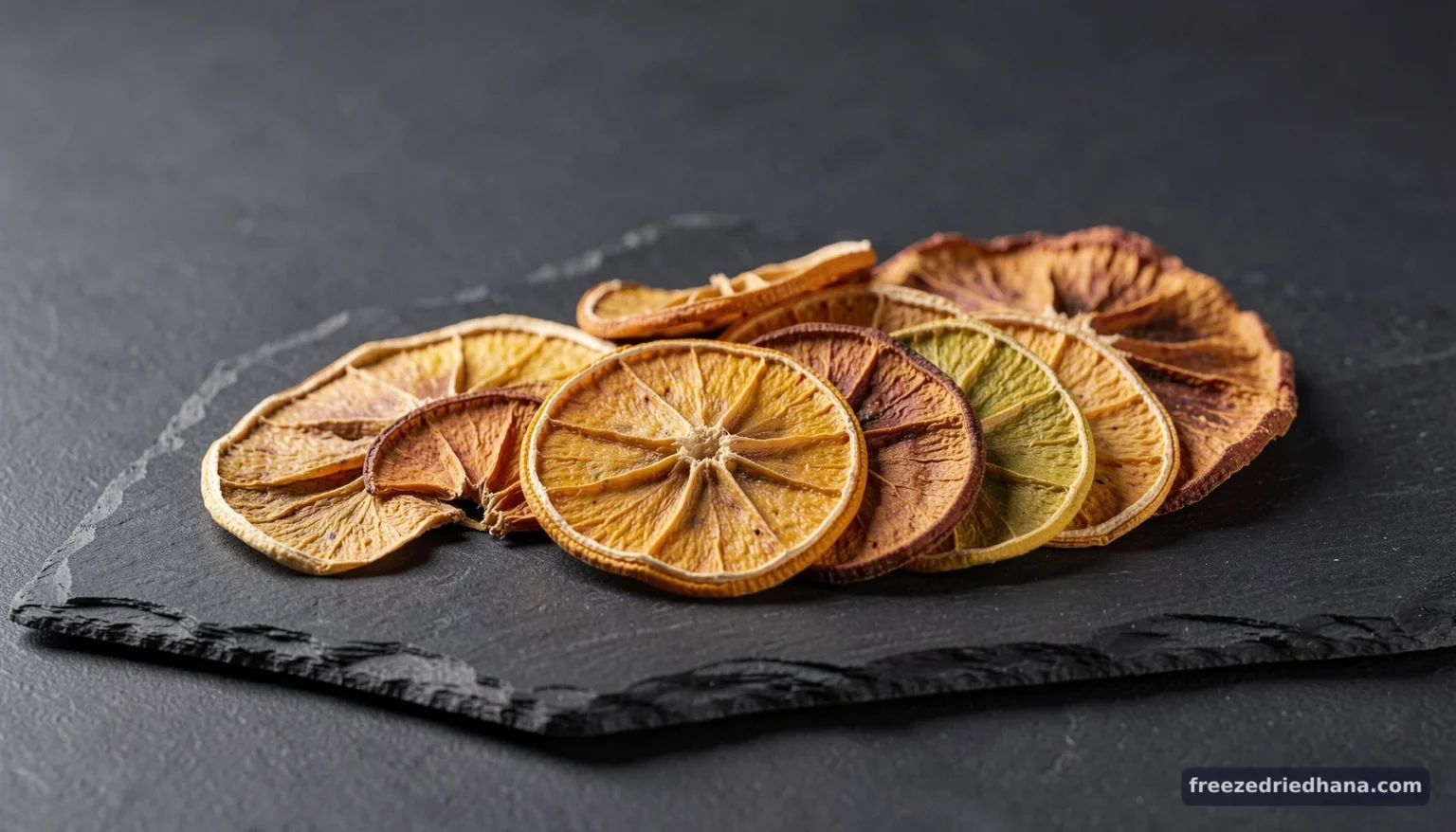
Private label dried fruit Vietnam can help brands source shelf-stable tropical snacks, fruit powders, and OEM fruit processing services through an export-focused manufacturing partner. Freezedriedhana produces freeze-dried fruits, soft-dried fruits, and fruit powders in Vietnam for international buyers comparing freeze-dried fruit and spray-dried powders. Before committing, confirm the product specification, packaging options, minimum order quantity, food-safety documents, and shipping plan directly with the factory, and review this comparison of South American freeze-dried fruit suppliers when assessing regional sourcing alternatives.
What Private Label Dried Fruit Vietnam Means in Practice
Private label dried fruit Vietnam refers to dried fruit produced in Vietnam for sale under a buyer’s brand. For a brand owner or distributor, the model connects product selection, processing, brand requirements, production, and export logistics in one B2B procurement workflow.

What can a private label arrangement cover?
Freezedriedhana is a Vietnam-based food manufacturer focused on freeze-dried fruits, soft-dried fruits, and fruit powders. Its business model includes OEM and private label supply for international brands. That makes it relevant to buyers building retail snack ranges, sourcing fruit inclusions, or purchasing ingredients for food and beverage production.
A private label project starts with the product—not just the logo. Buyers discuss the fruit type, processing method, intended use, and branding requirements. A snack brand may prioritize a light, crisp texture, while a cereal maker may need fruit pieces that work as inclusions. A beverage producer may be interested in a water-soluble powder, including dragon fruit powder.
The phrase “custom packaging” should be made specific during the consultation. Ask which pack formats, materials, artwork requirements, and labeling details the factory can support for the product and destination market. The available facts confirm that private label branding needs are discussed, but they do not specify packaging formats or design services. Treat those details as project requirements to verify, not automatic inclusions.
How do OEM and ODM differ for this supplier?
OEM (Original Equipment Manufacturer) is the supported model: the factory produces according to the buyer’s agreed product and private label requirements. The buyer brings its brand, target market, and product brief; the manufacturer discusses processing and production requirements.
ODM (Original Design Manufacturer) usually implies that a manufacturer develops a ready-made or substantially designed product for a buyer to brand. Freezedriedhana’s stated capabilities establish OEM and private label supply, but do not confirm a separate ODM service. If you need a supplier to create a complete product concept or formula, ask directly what development work is available before describing the project as ODM.
This distinction matters when comparing supplier proposals. A private label conversation may cover branding, but it does not by itself confirm formulation development, packaging design, or a specific level of product customization. Put each requirement into a written specification and confirm who is responsible for it.
What happens between inquiry and export?
The real-world procurement process is a sequence of buyer and factory decisions—not an automated online ordering interface. A prospective buyer contacts the manufacturer through freezedriedhana.com to request a quote, then discusses product type, drying method, branding needs, compliance documents, volume, and destination.
The factory’s product range includes freeze-dried fruit with a stated 24-month shelf life, soft-dried fruit for a chewy texture, and fruit powders. Buyers can review relevant products through the freeze-dried and dried fruit product range, then use the consultation to clarify which option fits their application.
Production follows confirmation of the order requirements. Shipping planning considers whether the buyer needs FCL (Full Container Load) or LCL (Less than Container Load). This makes the model suitable for different shipment-volume needs, but the actual available order quantity, lead time, and commercial terms must be quoted for the specific project.
Product and Processing Options for Brand Owners
The best product choice depends on how the fruit will be sold or used. Freezedriedhana’s options differ by processing method, texture, and application, so buyers should compare them against the intended customer experience and technical requirements rather than choosing on product name alone.
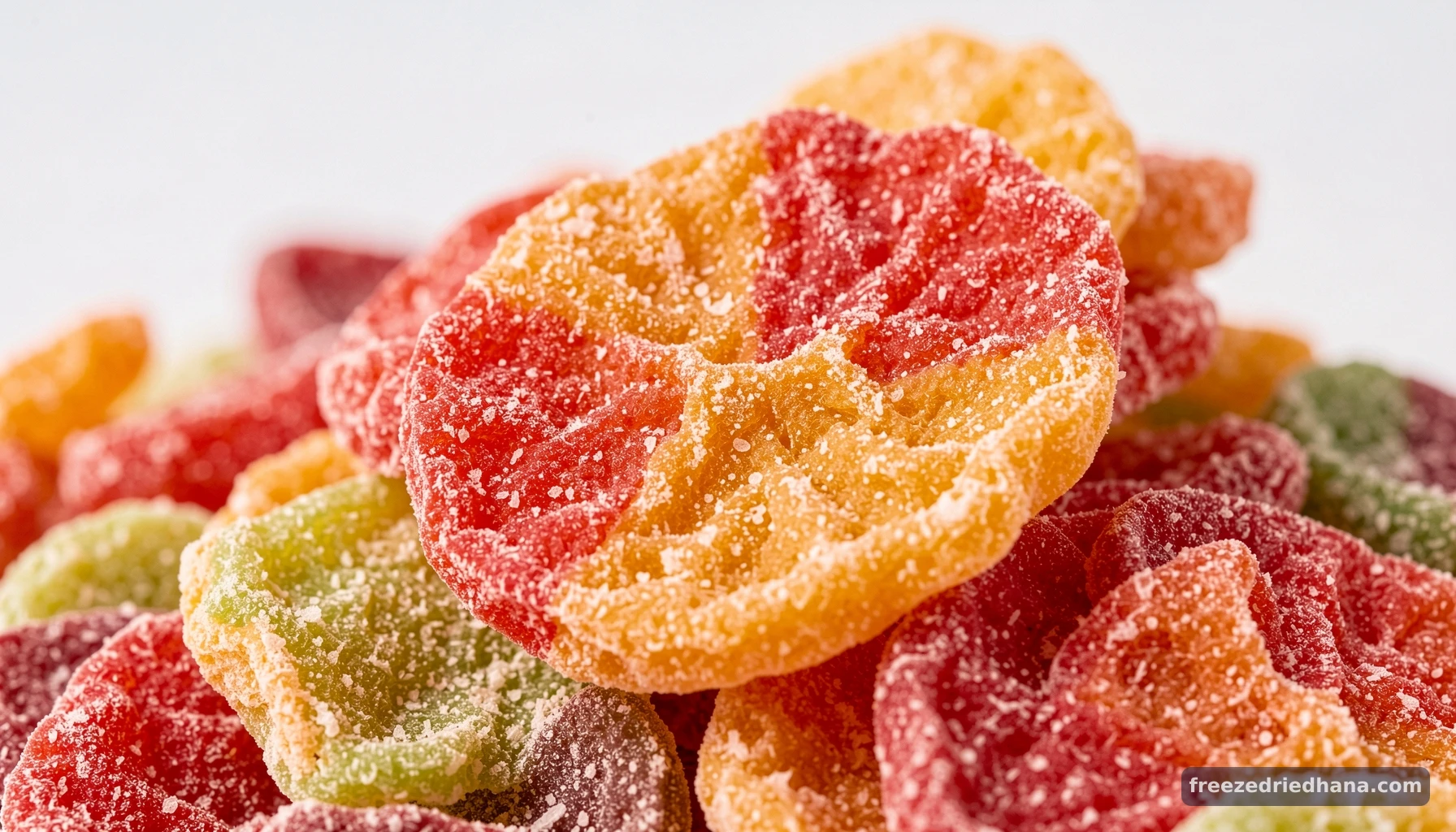
How do the main product types compare?
| Product type | Stated characteristics | Potential B2B fit | Details to confirm |
|---|---|---|---|
| Freeze-dried fruit | Vacuum-based processing; stated to preserve 98% of nutrients and 100% natural flavor; 24-month shelf life | Retail snack lines and shelf-stable fruit products | Fruit variety, pack format, specification, and shelf-life documentation |
| Soft-dried fruit | Heat-dried, with a chewy texture | Retail snacks, granola, cereal, and bakery inclusions | Texture target, ingredient details, pack format, and intended use |
| Fruit powders | Includes dragon fruit powder; described as 100% water-soluble | Beverage mixes, smoothie products, and food ingredient applications | Solubility and use conditions for the buyer’s formulation |
| Vegetable powders | Cold-drying is used for vegetable powders to maintain structural integrity | Ingredient sourcing where vegetable powder is required | Available varieties and application-specific specifications |
The table summarizes stated product characteristics, not a substitute for a buyer’s technical approval. Request product-specific documents and samples, where available, before approving a finished-goods specification. In particular, verify how the stated shelf life applies to the product and packaging configuration you intend to order.
Which drying method fits your application?
Freeze-drying uses vacuum-based technology and is positioned for fruit products where a light, crisp eating experience and natural fruit flavor are priorities. Freezedriedhana states that its process preserves 98% of nutrients and 100% natural flavor. For a purchasing decision, ask how these claims are documented and whether they apply to the exact fruit and process being quoted.
Soft-drying uses heat to create a chewy texture. This makes it a potential fit for snack formats and fruit pieces in granola, cereal, or bakery products, where a softer bite may suit the finished product better than a crisp piece.
Fruit powders serve a different need: formulation and ingredient use rather than whole-fruit snacking. Dragon fruit powder is identified as water-soluble, which can be relevant to beverage and smoothie applications. Confirm the product’s specification and suitability for your particular mix, process, and label claims with the supplier.
What should buyers verify beyond the product name?
A product description gives a starting point, but a B2B specification needs to be more precise. Buyers should document the fruit type, processing method, intended application, required texture or powder behavior, packaging expectations, destination market, and any buyer-specific quality conditions.
Ask for the relevant product and food-safety documents during supplier review. Freezedriedhana identifies ISO 22000, HACCP, and FDA registration among its quality and compliance credentials. Review the current documentation and confirm its scope and relevance to the product, facility, and destination. Do not treat a general credential as proof that every product or label claim automatically meets every market requirement.
For bulk supply planning, clarify the offered shipment volume and whether LCL or FCL is appropriate. Buyers assessing broader sourcing options can also consult this guide to working with a wholesale freeze-dried fruit supplier.
How to Source Private Label Dried Fruit Step by Step
A reliable procurement process turns a broad product idea into a confirmed specification, documented compliance review, and practical export plan. Use these five steps to structure the conversation with a Vietnamese manufacturer and reduce misunderstandings before production begins.
Steps 1 and 2: Define the brief and request a quote
Step 1: Write a clear product brief. Identify your target product—freeze-dried fruit, soft-dried fruit, or fruit powder—and explain how it will be used. Include the intended customer, sales channel, destination market, and desired brand positioning. If you are comparing crisp and chewy snack concepts, state that explicitly rather than asking for “dried fruit” in general.
Add packaging and branding questions to the brief. Specify what you want to confirm, such as whether private label packaging is available for your project and what information the factory needs from you. Do not assume a particular pack type, artwork service, or customization option until the manufacturer confirms it.
Step 2: Contact the supplier for a quote. The stated inquiry route is the official website, freezedriedhana.com. Provide the product and volume information you have, and ask which details are needed for a precise quotation. A quote should be evaluated alongside the specification: a price without a clearly defined product, pack, and shipping basis is difficult to compare meaningfully.
Steps 3 and 4: Confirm the product and review compliance
Step 3: Consult on processing and branding. Discuss fruit type, freeze-drying versus soft-drying, powder requirements, and private label needs. For an ingredient application, explain the way the powder will be used. For a retail product, describe the desired consumer experience and packaging questions.
Step 4: Review compliance documents. Request and examine the supplier’s ISO 22000, HACCP, and FDA-related documentation. Confirm that the documents are current and relevant to the facility and products in scope. If your market has specific labeling, import, or customer requirements, identify those early and seek qualified regulatory guidance as needed. Supplier documentation supports due diligence; it does not replace the buyer’s own market review.
Step 5: Plan volume, production, and shipping
Step 5: Confirm shipment and production details before placing the order. Work out whether the expected volume suits LCL or FCL shipping, taking the destination and inventory plan into account. Ask the supplier to confirm the order quantity, production specification, packaging arrangement, documentation, and export plan in writing.
The stated workflow proceeds from consultation and compliance review to logistics planning, production under agreed OEM or private label specifications, and international shipment. Establish clear approval points so the buyer knows what must be signed off before production—for example, the product specification and branding requirements. Confirm timing and commercial terms directly rather than relying on assumptions about standard lead times or minimums.
Pro Tips, Common Pitfalls, and Practical Examples
Good sourcing decisions come from disciplined specification and verification. The most common avoidable risks are assuming that a supplier offers unconfirmed services, comparing quotations with different scope, and overlooking how the product’s intended use affects processing and packaging requirements.
How should you assess MOQ and custom packaging?
Low MOQ is an important request for emerging brands, but Freezedriedhana’s available supplier information does not specify a minimum order quantity or confirm a low-MOQ program. Ask for the minimum by product, packaging configuration, and order type. A minimum that works for bulk fruit may differ from one for a custom-branded retail pack; do not assume one figure covers every SKU.
Similarly, confirm what “custom packaging” means for your order. Ask whether the factory can support your desired format, what artwork or label files are needed, whether packaging has to be sourced or approved separately, and how the final product specification will be documented. These are questions to resolve with the supplier, not capabilities to presume.
For an early-stage brand, request a quote that clearly separates the product and logistics assumptions. If a smaller trial volume is essential, say so in the first inquiry and ask what options are commercially feasible. This helps establish whether the supplier’s production and shipping model fits your launch plan without presenting an unverified MOQ advantage as fact.
What mistakes can buyers prevent?
One pitfall is selecting a drying method based only on a general “healthy snack” positioning. Freeze-dried fruit and soft-dried fruit have different textures and processing methods. Align the product with the eating experience or food application, and approve the exact specification before production.
Another is treating a credential as a blanket guarantee. Review the supplier’s ISO 22000, HACCP, and FDA-related documents, check their scope, and confirm that they address the facility and products relevant to your order. Separately assess destination-market requirements and buyer-specific standards.
A third mistake is leaving shipping assumptions until the end. Discuss expected volume and FCL versus LCL during procurement planning, then confirm the shipping basis in the quote. Finally, avoid treating ODM, product formulation, or packaging design as included unless the supplier confirms those services in writing. A structured supplier evaluation can help; see this guide to choosing a reliable freeze-dried fruit manufacturer.
What could a practical sourcing scenario look like?
Consider a retail brand planning a naturally positioned tropical fruit snack. Its team could compare freeze-dried fruit for a crisp snack concept with soft-dried fruit for a chewy alternative, then ask the supplier to quote the selected product under the brand’s private label requirements. The team should verify packaging options, minimum order, product documentation, and shipment volume before committing.
A beverage company has a different brief. It may ask about dragon fruit powder for a drink or smoothie mix, confirm the stated water solubility, and request the relevant product specification. It should then assess whether the ingredient fits its own formulation and labeling requirements rather than relying on a general product description.
A cereal or bakery manufacturer may consider soft-dried fruit as an inclusion. In each case, the decision sequence is similar—define application, confirm processing and specification, review documents, establish commercial terms, and plan shipping—but the product criteria differ. These examples illustrate possible use cases, not guaranteed outcomes or confirmed custom services.
2026 Outlook and Freezedried Hana Nguyen’s Expert Perspective
In 2026, the practical opportunity for brand owners is to match a Vietnamese manufacturer’s actual processing and export capabilities to a clearly defined product brief. Freezedriedhana’s listed range supports snack, ingredient, and beverage use cases, while its OEM and private label model gives buyers a route to discuss production under their brand.
Where can Vietnamese dried fruit fit in 2026?
For retail snack brands, freeze-dried fruit offers a product option with a stated 24-month shelf life. That can support planning for shelf-stable snack assortments, provided the buyer verifies the applicable shelf-life documentation and packaging configuration for its order.
For premium grocery and distributor portfolios, freeze-dried and soft-dried products can serve different texture preferences and product positions. A distributor should evaluate each SKU’s intended buyer, packaging, documentation, and shipment volume rather than treating “dried fruit” as a single uniform category.
For beverage and ingredient companies, fruit powders provide a distinct procurement path. Dragon fruit powder is identified as 100% water-soluble, while soft-dried fruit may suit inclusions in granola, cereal, or bakery products. These are application possibilities; buyers should validate performance against their specific formulation and production process.
What does Hana Nguyen recommend buyers prioritize?
From the perspective of Freezedried Hana Nguyen, a global B2B supply chain strategist focused on Vietnamese agricultural processing, the strongest sourcing conversation begins with transparent requirements. Name the product, the processing method, the destination, the brand needs, and the volume range you are evaluating. That gives the manufacturer a practical basis for discussing production and export rather than a vague request for a price.
Next, separate confirmed capabilities from open questions. Freezedriedhana’s stated offer includes freeze-dried fruits, soft-dried fruits, fruit powders, OEM and private label production, ISO 22000 and HACCP credentials, FDA registration, and FCL and LCL shipping options. Specific MOQ levels, custom pack formats, ODM services, and project lead times should be confirmed directly.
Finally, treat documentation and logistics as part of product selection—not administration to handle after approval. A suitable product must fit the brand concept, pass the buyer’s technical and compliance review, and move through a workable shipment plan. That end-to-end perspective is central to building a dependable private label supply relationship.
FAQ
What products can I source as private label dried fruit from Vietnam?
Freezedriedhana produces freeze-dried fruits, soft-dried fruits, and fruit powders, including dragon fruit powder. The supplier’s B2B model includes OEM and private label production. Confirm the specific variety, product specification, packaging options, and destination requirements with the manufacturer.
Does Freezedriedhana offer low MOQs or custom packaging?
Low MOQ levels and specific packaging formats are not stated in the available supplier information. Ask the factory for minimum quantities by product and packaging configuration, and confirm which private label packaging requirements it can support before requesting a final quote.
Does the supplier provide ODM services?
The stated model includes OEM and private label supply. A separate ODM service is not confirmed, so buyers seeking product concept or formulation development should ask the manufacturer directly what development support is available.
What quality and export credentials should buyers review?
Freezedriedhana identifies ISO 22000, HACCP, and FDA registration among its credentials. Request current documentation and confirm its scope and relevance to the product, facility, and destination. Buyers should also review their own market-specific import, labeling, and customer requirements.
Can a buyer ship a smaller order by LCL?
The supplier supports both LCL and FCL shipping. Whether LCL is suitable for a particular order depends on the volume, destination, and commercial terms. Confirm the available shipment plan and associated quote directly with the manufacturer.