Discovering the Health Benefits of Soft Dried Fruits
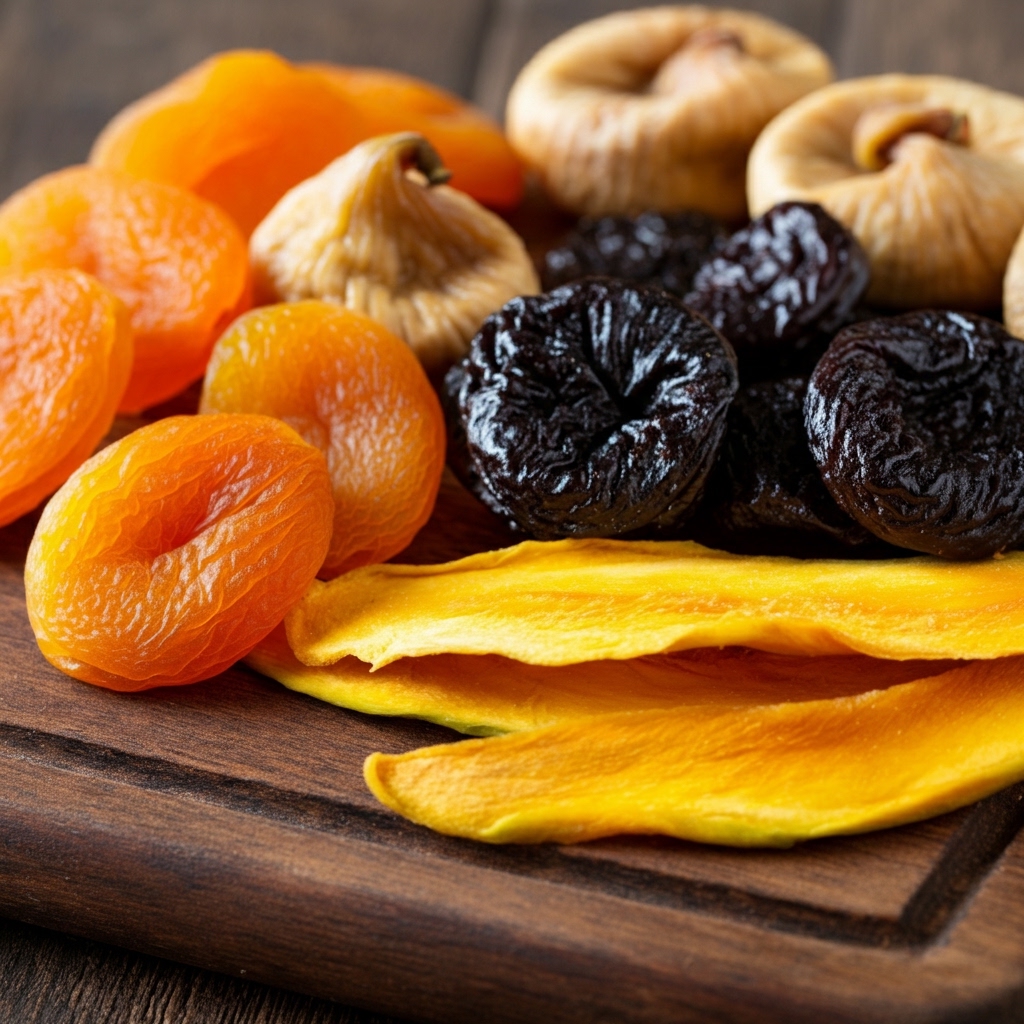
Soft dried fruits are a convenient and delicious way to access concentrated nutrients, offering significant health benefits such as improved digestion and boosted energy. They are packed with essential vitamins, minerals, and dietary fiber, making them an excellent addition to a balanced diet. This comprehensive guide will explore the nutritional value and various health advantages of incorporating soft dried fruits into your daily routine, helping you make informed choices for a healthier lifestyle.
The Nutritional Powerhouse: What Makes Soft Dried Fruits Healthy?
Soft dried fruits are essentially fresh fruits from which most of the water content has been removed through various drying processes. This dehydration concentrates their nutrients, resulting in a potent source of vitamins, minerals, and antioxidants. While the drying process does alter some heat-sensitive vitamins, many beneficial compounds remain intact, making them a premium healthy snack choice for quick nutrition.
Unlike their fresh counterparts, soft dried fruits offer a longer shelf life and are incredibly portable, making them ideal for on-the-go snacking. Their inherent sweetness also makes them a satisfying alternative to processed sugary treats, providing a natural energy boost without the added artificial ingredients often found in conventional snacks.
Vitamins and Minerals Concentration
The process of drying fruits significantly concentrates their vitamin and mineral content per serving. For instance, dried apricots are renowned for their high levels of Vitamin A, which is crucial for vision and immune function, as well as potassium, vital for heart health. Dried figs and prunes are excellent sources of calcium and magnesium, contributing to bone health and muscle function. These concentrated nutrients make soft dried fruits a valuable component for maintaining overall wellness.
Rich in Dietary Fiber
One of the most significant health benefits soft dried fruits offer is their impressive dietary fiber content. Fiber is essential for digestive health, helping to regulate bowel movements and prevent constipation. It also plays a role in managing blood sugar levels and can contribute to a feeling of fullness, which aids in weight management. Regular intake of fiber-rich foods like soft dried fruits is crucial for a healthy gut microbiome.
Natural Sugars and Energy
Soft dried fruits contain natural sugars like fructose and glucose, which are readily available sources of energy. This makes them an excellent pre-workout snack or a quick pick-me-up during a busy day. While these are natural sugars, it’s important to consume them in moderation due to their concentrated nature. The presence of fiber helps to slow down the absorption of these sugars, providing a more sustained energy release compared to refined sugars.
Key Health Benefits You Can’t Ignore
Beyond their basic nutritional profile, soft dried fruits contribute to several key aspects of health, thanks to their unique composition. Their rich array of compounds works synergistically to support various bodily functions, from aiding digestion to bolstering the immune system. Understanding these specific benefits can help you appreciate their value in a balanced diet.
Many soft dried fruit varieties, such as cranberries and blueberries, are celebrated for their potent antioxidant properties. These compounds help combat oxidative stress in the body, protecting cells from damage caused by free radicals. This protective effect is linked to a reduced risk of chronic diseases and overall cellular health. For those seeking delicious and nutritious snack options, soft dried fruits deliver both taste and significant health advantages.
Boosting Digestive Health
The high fiber content in soft dried fruits, particularly prunes and figs, makes them excellent for promoting healthy digestion. Soluble fiber helps to soften stool, while insoluble fiber adds bulk, facilitating smoother bowel movements. Regular consumption can alleviate issues like constipation and contribute to a healthier gut flora, which is foundational for overall well-being. This focus on digestive health is one of the primary reasons many nutritionists recommend including these fruits in your daily intake.
Enhancing Antioxidant Defense
Soft dried fruits are a fantastic source of various antioxidants, including polyphenols and flavonoids. These powerful compounds neutralize harmful free radicals in the body, reducing inflammation and cellular damage. Fruits like dried cherries, berries, and mangoes are particularly rich in antioxidants, offering robust protection against age-related diseases and supporting immune function. Incorporating these into your diet can significantly enhance your body’s natural defense mechanisms.
Supporting Heart Health
Several components found in soft dried fruits contribute to cardiovascular wellness. The potassium in fruits like apricots and peaches helps regulate blood pressure, while the fiber content can lower bad cholesterol levels. Additionally, the antioxidants present help reduce oxidative stress on blood vessels, further promoting heart health. Choosing high-quality dried fruits, like those found in Hana Nguyen Soft Dried Fruits, can be a simple yet effective step towards a healthier heart.
Maintaining Energy Levels
The natural sugars in soft dried fruits provide a quick yet sustained energy boost, making them an ideal snack for athletes or anyone needing a rapid pick-me-up. Unlike refined sugars, the sugars in dried fruits are accompanied by fiber, which helps prevent sharp spikes and crashes in blood sugar. This sustained energy release is crucial for maintaining focus and physical performance throughout the day.
Incorporating Soft Dried Fruits into Your Diet
Adding soft dried fruits to your diet is incredibly easy and versatile. Their concentrated flavor and chewy texture make them a fantastic ingredient in various dishes, from breakfast cereals to savory meals. However, mindful consumption is key due to their concentrated sugar and calorie content.
It’s important to remember that while the health benefits soft dried fruits offer are numerous, portion control is crucial. A small handful (around ¼ cup) is typically a good serving size to enjoy their nutritional advantages without overconsuming natural sugars. Always opt for varieties without added sugars or sulfites to maximize their health impact.
Smart Snacking Choices
Soft dried fruits make for excellent smart snacks. They are portable, require no refrigeration, and provide a satisfying chewiness that can curb cravings. Mix them with nuts and seeds for a balanced trail mix, or enjoy them on their own as a quick energy source between meals. They are a much healthier alternative to processed chips or candy bars, providing essential nutrient-rich snacks that fuel your body.
Adding to Meals and Recipes
Beyond snacking, soft dried fruits can elevate a wide range of meals. Chop them and sprinkle over oatmeal, yogurt, or salads for added sweetness and texture. They work wonderfully in baking, from muffins and bread to cookies. For savory dishes, dried cranberries or apricots can complement poultry or pork, adding a touch of sweetness and complexity. Consider adding them to your morning smoothie for an extra boost of fiber and vitamins.
Portion Control and Moderation
Due to their concentrated sugars and calories, practicing portion control is vital when consuming soft dried fruits. While the sugars are natural, they are still sugars. Stick to recommended serving sizes, typically around 1/4 to 1/2 cup, depending on the fruit. Combining them with protein or healthy fats (like nuts or seeds) can further slow sugar absorption and enhance satiety, ensuring you reap the benefits without overdoing it.
Frequently Asked Questions
Are soft dried fruits as healthy as fresh fruits? Soft dried fruits retain most of the nutrients of fresh fruits, but some heat-sensitive vitamins (like Vitamin C) may be reduced. They are more concentrated in sugar and calories, so portion control is important. Overall, they offer similar benefits, especially fiber and minerals.
Do soft dried fruits contain added sugar? Many commercially available soft dried fruits have added sugars or sweeteners. Always check the ingredient list to choose varieties that are naturally dried without any added sugars to maximize the health benefits soft dried fruits provide.
Can soft dried fruits help with weight loss? Due to their fiber content, soft dried fruits can promote satiety and aid in digestion, which indirectly supports weight management. However, their concentrated calorie and sugar content means they should be consumed in moderation as part of a calorie-controlled diet.
What is the best way to store soft dried fruits? Store soft dried fruits in an airtight container in a cool, dry place away from direct sunlight. This helps maintain their freshness, texture, and extends their shelf life, preventing them from becoming too hard or spoiling.
Are soft dried fruits suitable for diabetics? Diabetics can consume soft dried fruits in very small, controlled portions due to their concentrated sugar content. It’s best to consult with a healthcare professional or a registered dietitian to determine appropriate serving sizes and types of dried fruits based on individual dietary needs.