Unveiling the Nutritional Value of Soft Dried Mango: A Healthy Snack Deep Dive
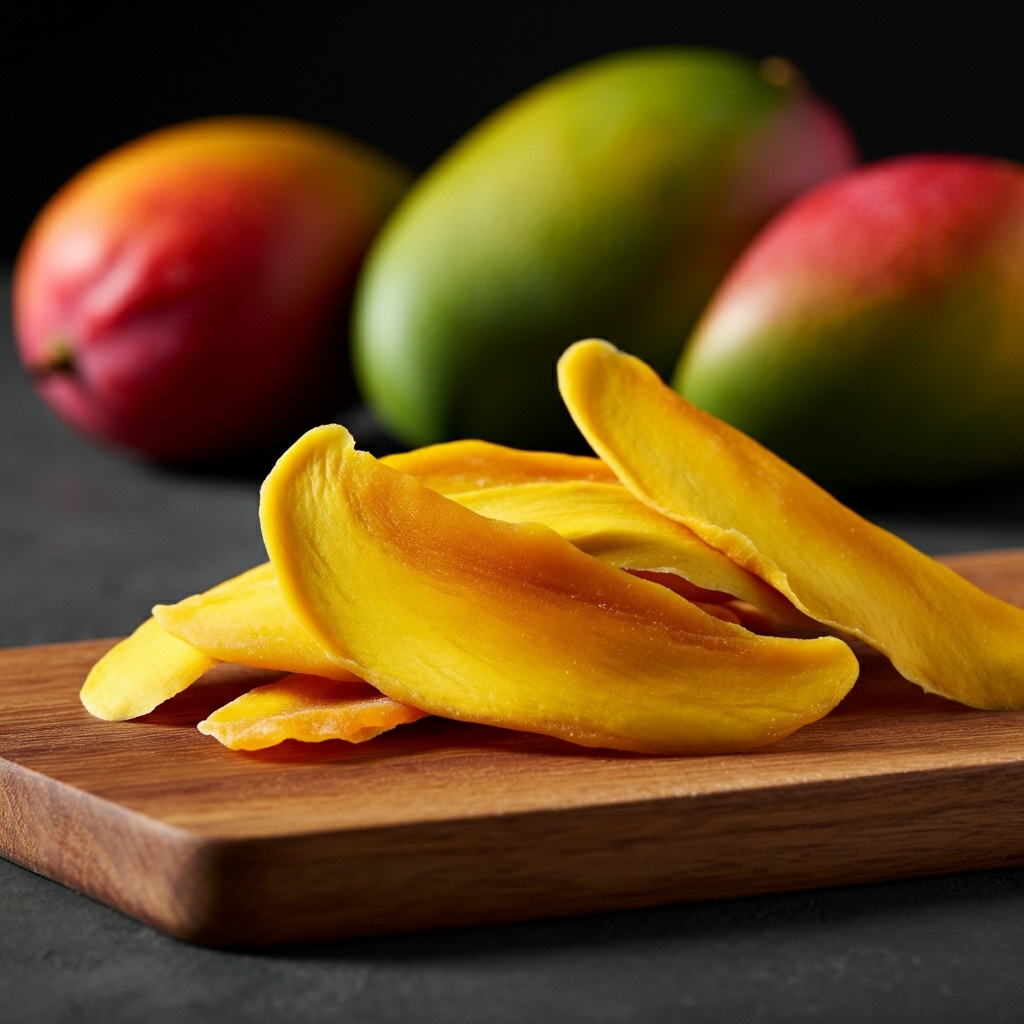
Wondering if soft dried mango lives up to its reputation as a healthy snack? The good news is, soft dried mango is indeed a concentrated source of essential vitamins, minerals, and dietary fiber, offering a convenient and nutritious option for your daily routine. Many people question whether dried fruits retain their health benefits or are simply sugary treats, and we’re here to provide clarity.
This article will thoroughly explore the exact nutritional profile of soft dried mango, comparing it to its fresh counterpart and providing expert insights into its health advantages. You’ll learn about its key vitamin and mineral content, understand the benefits of its fiber and antioxidant properties, and discover practical tips for incorporating this delightful fruit into a balanced diet.
Understanding Soft Dried Mango
Soft dried mango, a popular premium healthy snack choices, offers a delightful chewiness and intense flavor that makes it a favorite among snack enthusiasts. It’s essentially fresh mango that has undergone a controlled dehydration process, removing most of its water content while preserving its natural sweetness and many of its beneficial compounds. This process makes mangoes shelf-stable and easy to carry, perfect for on-the-go nourishment.
Unlike some other forms of dried fruit that can be brittle or tough, soft dried mango retains a pliable texture, making it more enjoyable to eat. This unique texture is often achieved through specific drying methods and careful selection of ripe mango varieties, ensuring that each bite is both satisfying and packed with flavor.
The appeal of soft dried mango extends beyond its taste and convenience. It serves as an excellent alternative to processed sweets, providing a natural source of energy without artificial additives. Its versatility also allows it to be incorporated into various dishes, from breakfast cereals to savory salads, adding a tropical twist to your meals.
What is Soft Dried Mango?
Soft dried mango is a product of dehydrating fresh mango slices until most of their water content is removed. The term “soft” refers to its pliable and chewy texture, distinguishing it from crispier or harder dried fruit varieties. This method concentrates the fruit’s natural sugars, flavors, and importantly, its nutritional components, offering a potent dose of goodness in a smaller package.
The primary goal of the soft drying process is to extend the shelf life of mangoes while retaining as much of their original nutritional integrity and sensory qualities as possible. This makes it an ideal ingredient for those seeking nutritious and convenient food options.
The Drying Process and Nutrient Retention
The drying process for soft dried mango typically involves gentle heat or air circulation, carefully monitored to avoid excessive nutrient degradation. While some heat-sensitive vitamins, like Vitamin C, can be partially reduced during drying, many other nutrients, including fiber, minerals, and certain antioxidants, are well-preserved or even concentrated.
Manufacturers of high-quality soft dried fruits often employ advanced techniques to minimize nutrient loss, ensuring that the final product remains a wholesome snack. Understanding this process helps appreciate why soft dried mango remains a valuable part of a balanced diet, despite the changes it undergoes.
A Deep Dive into the Nutritional Value of Soft Dried Mango
The nutritional value soft dried mango holds is quite impressive, making it far more than just a sweet treat. When water is removed, the remaining nutrients become concentrated, meaning a smaller serving of dried mango delivers a more potent punch of vitamins, minerals, and beneficial compounds compared to an equivalent weight of fresh mango. This concentration makes it an efficient way to boost your daily nutrient intake, especially for active individuals or those needing quick energy.
Beyond its energy-boosting capabilities, soft dried mango is a powerhouse of specific nutrients crucial for various bodily functions. Its profile includes key vitamins essential for immunity and vision, alongside minerals vital for bone health and metabolism. This rich nutrient density contributes significantly to overall well-being, making it a smart choice for a healthy snack.
Key Vitamins and Minerals
Soft dried mango is particularly rich in Vitamin A (from beta-carotene), which is vital for vision, immune function, and skin health. It also provides a good amount of Vitamin C, though slightly less than fresh mango due to heat sensitivity during drying, still contributing to antioxidant defense and collagen production. Additionally, it contains B vitamins, which are crucial for energy metabolism.
In terms of minerals, soft dried mango offers potassium, important for blood pressure regulation and fluid balance, and magnesium, essential for muscle and nerve function, blood glucose control, and bone development. These micronutrients collectively support a wide array of physiological processes, enhancing the overall mango nutritional facts.
Fiber Content and Digestive Health
One of the most significant benefits of soft dried mango is its substantial dietary fiber content. Fiber is crucial for maintaining a healthy digestive system, aiding in regular bowel movements, and preventing constipation. It also contributes to satiety, helping you feel fuller for longer, which can be beneficial for weight management.
The fiber in soft dried mango, both soluble and insoluble, plays a role in regulating blood sugar levels and can help lower cholesterol. Incorporating this superior healthy snacks into your diet can significantly contribute to your daily fiber needs, supporting long-term gut health and overall well-being.
Antioxidants and Their Benefits
Soft dried mango retains a significant amount of antioxidants, including carotenoids and phenolic compounds. These powerful compounds combat oxidative stress in the body, neutralizing free radicals that can damage cells and contribute to chronic diseases.
The presence of these antioxidants means that consuming soft dried mango can support cellular health, reduce inflammation, and potentially lower the risk of certain health conditions. This makes the dried mango benefits extend beyond basic nutrition to protective health effects.
Soft Dried Mango vs. Fresh Mango: What’s the Difference?
While both soft dried mango and fresh mango offer excellent nutritional benefits, there are key differences primarily due to the removal of water during the drying process. Understanding these distinctions can help you make informed choices about your snack preferences and dietary needs. Fresh mango is hydrating and less calorie-dense, whereas its dried counterpart provides a more concentrated source of nutrients and energy.
The choice between fresh and soft dried mango often depends on factors like convenience, storage, and specific dietary goals. Both forms contribute positively to a healthy diet, but their unique characteristics make them suitable for different situations. For instance, soft dried mango is perfect for hiking or long trips where fresh fruit might spoil.
Calorie and Sugar Concentration
The most notable difference lies in calorie and sugar content dried mango. Since water is removed, the natural sugars and calories in soft dried mango become concentrated. This means that per serving weight, soft dried mango will have more calories and sugar than fresh mango. For example, a 100-gram serving of dried mango will contain significantly more sugar and calories than 100 grams of fresh mango.
While this concentrated energy can be beneficial for athletes or those needing a quick energy boost, it’s important for others to practice portion control to avoid excessive sugar intake. Always check the nutrition label, as some commercially dried mangoes may also have added sugars, further increasing their caloric density.
Hydration and Portion Control
Fresh mango has a high water content, contributing to hydration and making it very filling. Soft dried mango, on the other hand, lacks this water content, meaning you can easily consume more calories and sugar without feeling as full. This emphasizes the importance of mindful eating and portion control when enjoying soft dried mango.
To balance the concentrated nature of soft dried mango, consider pairing it with other foods rich in water and protein, such as yogurt or nuts. This approach helps in regulating satiety and ensures you’re getting a balanced nutritional intake, making it a truly healthy dried fruit snack.
How to Incorporate Soft Dried Mango into Your Diet
Integrating soft dried mango into your daily diet is simple and delicious, thanks to its versatility and intense flavor. Whether you’re looking for a quick energy boost or an ingredient to elevate your culinary creations, this nutritious fruit offers numerous possibilities. Its chewy texture and sweet taste make it an excellent substitute for less healthy snack options, helping you maintain a balanced diet effortlessly.
The key is to enjoy it in moderation, mindful of its concentrated sugar and calorie content. By doing so, you can fully leverage the benefits of its soft dried fruit nutrition without overindulging. From breakfast to dinner, soft dried mango can add a vibrant, tropical flair to a variety of dishes.
Smart Snacking Tips
- Portion Control: Due to its concentrated nature, stick to recommended serving sizes, typically around 1/4 to 1/2 cup, to manage calorie and sugar intake.
- Pair with Protein/Fat: Combine soft dried mango with nuts, seeds, or a small amount of cheese to slow down sugar absorption and increase satiety.
- Hydrate: Drink water alongside your dried mango snack to help fill you up and aid digestion, complementing its fiber content.
- Post-Workout Boost: Its natural sugars provide quick energy replenishment after physical activity, making it an ideal recovery snack.
Culinary Uses and Versatility
Soft dried mango isn’t just for snacking; it’s a fantastic ingredient for adding flavor and texture to various meals:
- Breakfast: Chop it into oatmeal, yogurt parfaits, or blend into smoothies for a tropical twist.
- Salads: Add thinly sliced pieces to green salads or grain bowls for a sweet and chewy element.
- Baking: Incorporate it into muffins, bread, or energy bars as a natural sweetener and flavor enhancer.
- Trail Mixes: A classic addition to homemade trail mixes, providing energy and flavor alongside nuts and seeds.
- Savory Dishes: Experiment with adding it to rice dishes, chutneys, or even chicken/fish marinades for a sweet and tangy note.
Câu hỏi thường gặp
Is soft dried mango as nutritious as fresh mango? While soft dried mango retains many nutrients, some heat-sensitive vitamins like C can be reduced. However, fiber, minerals, and other vitamins become concentrated, offering a potent nutritional punch per serving, though with higher sugar and calories by weight.
What are the main vitamins in soft dried mango? Soft dried mango is primarily rich in Vitamin A (from beta-carotene) and contains good amounts of B vitamins, with some Vitamin C. It also provides essential minerals like potassium and magnesium.
Does soft dried mango contain a lot of sugar? Yes, soft dried mango naturally contains a concentrated amount of sugar because the water content has been removed. It’s important to check labels for any added sugars and practice portion control.
How much soft dried mango should I eat daily? A typical serving size is about 1/4 to 1/2 cup (around 30-50 grams). This provides a good balance of nutrients without excessive sugar or calorie intake. Moderation is key.
Is soft dried mango good for digestion? Absolutely. Soft dried mango is a good source of dietary fiber, which is crucial for promoting healthy digestion, aiding in regular bowel movements, and contributing to gut health.