Soft Dried Fruits Additives: What You Need to Know
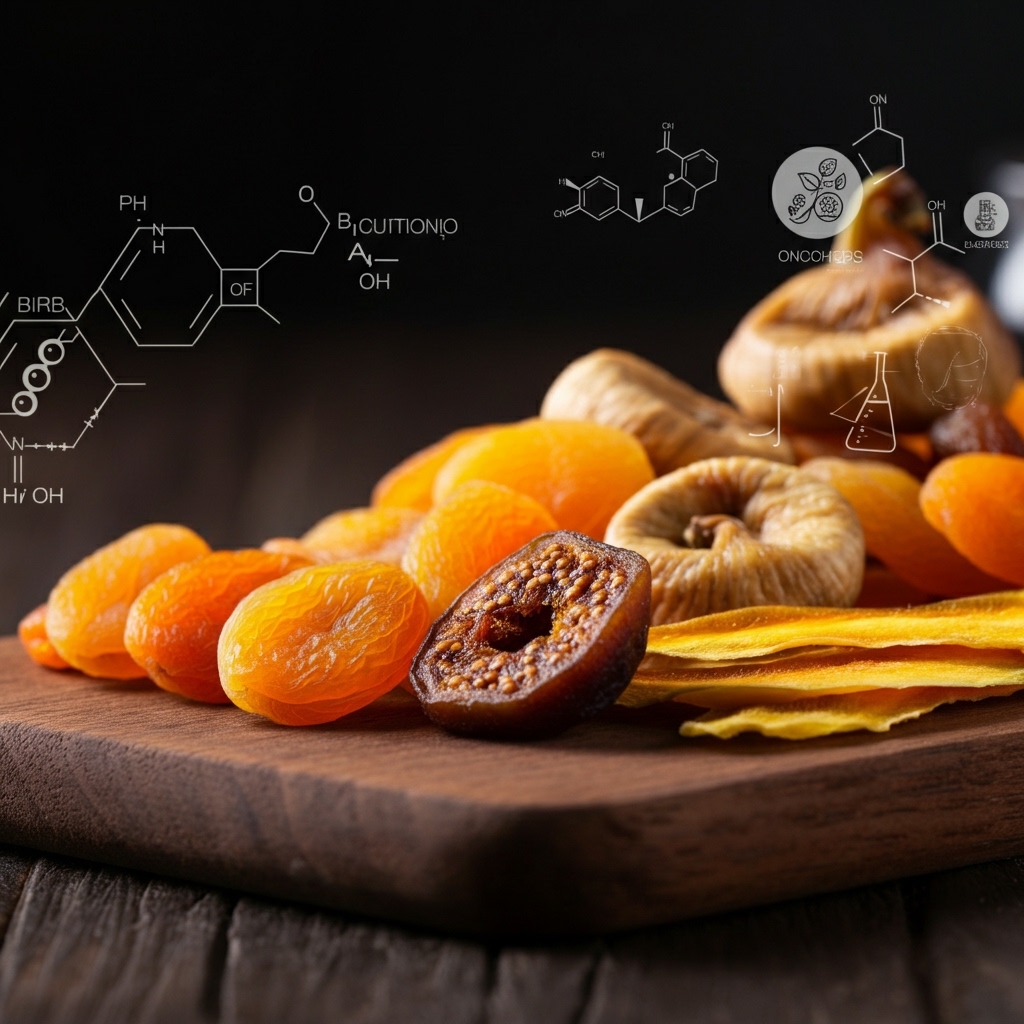
Many soft dried fruits contain additives to enhance shelf life, appearance, and texture, which can impact their nutritional profile and suitability for various diets. Understanding these additions is crucial for making informed dietary choices. This article will demystify common soft dried fruit additives, explaining their roles, potential impacts, and how to make informed choices for healthier snacking. We’ll explore various types of additives, their functions, and guide you towards selecting options with minimal or no artificial ingredients to ensure you’re choosing the best for your well-being.
The Role of Additives in Soft Dried Fruits
Soft dried fruits, a popular snack choice, undergo various processing methods to achieve their desirable texture and extended shelf life. While the natural drying process removes moisture, certain additives are often introduced to enhance specific qualities. These additions are not always a cause for concern, but understanding their purpose is key to informed consumption. The primary goal of incorporating soft dried fruits additives is often to maintain freshness, prevent spoilage, and improve sensory attributes like color and chewiness.
For example, moisture is a critical factor in the texture of soft dried fruits. Without appropriate treatment, dried fruits can become overly hard or develop an unappealing leathery consistency. Additives play a vital role in regulating moisture content, ensuring that the fruit remains pliable and enjoyable to eat. This process contributes significantly to consumer satisfaction and the overall marketability of the product.
Furthermore, additives are crucial for the preservation aspect. They act as a barrier against microbial growth, preventing mold and bacteria from compromising the fruit’s safety and extending its shelf stability far beyond what natural drying alone could achieve. This allows for wider distribution and reduces food waste, making these snacks more accessible globally. However, consumers increasingly seek options that prioritize natural processing and minimal intervention, driving demand for products like premium healthy snack choice that focus on inherent quality.
Why Additives Are Used
Additives in soft dried fruits serve several critical functions. Firstly, they act as preservatives, inhibiting the growth of microorganisms and preventing oxidation, which can lead to discoloration and off-flavors. Secondly, they can enhance visual appeal, maintaining vibrant colors that might otherwise dull during drying. Lastly, and perhaps most importantly for soft dried varieties, they contribute to texture. Ingredients like humectants help retain moisture, ensuring the fruit remains soft and chewy rather than brittle. These functional benefits are what drive their widespread use in the industry.
Balancing Preservation and Natural Qualities
The challenge for producers lies in balancing the need for effective preservation with consumer demand for natural products. While some additives are indispensable for safety and quality, others might be viewed as less desirable. Modern food technology continually seeks ways to minimize additive use or replace synthetic options with natural alternatives. This includes exploring advanced drying techniques and natural antimicrobial compounds to achieve similar results without compromising the fruit’s inherent goodness. The goal is to provide safe, appealing, and healthy products that align with evolving consumer preferences.
Common Additives and Their Functions
When examining the ingredient list of soft dried fruits, several common additives frequently appear, each with a specific purpose. Understanding these will help consumers identify what they are consuming and evaluate its impact on their diet. These additions range from preservatives to sweeteners and agents designed to improve texture.
One of the most common groups of soft dried fruits additives are sulfites. These compounds, such as sulfur dioxide, sodium sulfite, or potassium metabisulfite, are primarily used as preservatives to prevent browning and inhibit microbial growth. While highly effective, concerns exist regarding sulfite sensitivity in some individuals, which can manifest as allergic reactions or asthma symptoms. Therefore, their presence is always clearly indicated on product labels.
Another prevalent additive category involves sweeteners. Although fruits naturally contain sugar, some manufacturers add extra sugars like sucrose, glucose syrup, or fruit juice concentrate to enhance sweetness and act as an additional humectant. This practice contributes to the overall caloric content and can be a consideration for those monitoring their sugar intake. The impact of added sugars in dried fruit on blood sugar levels and overall health is a common topic of discussion among health-conscious consumers.
Preservatives: Sulfites and Beyond
Beyond sulfites, other preservatives might include sorbates (e.g., potassium sorbate) or benzoates, which also deter mold and yeast. These agents are selected based on the specific fruit, processing method, and desired shelf life. While synthetic preservatives are highly effective, a growing segment of the market favors preservative-free options, relying instead on factors like packaging, lower moisture content, or natural acids (like citric acid) for preservation.
Sweeteners and Humectants
As mentioned, added sugars serve a dual purpose: increasing sweetness and acting as humectants. Humectants are substances that help retain moisture, preventing the fruit from drying out excessively and becoming hard. Glycerine is another common humectant used to maintain the soft, chewy texture. Vegetable oils, such as sunflower oil, may also be added in small amounts to prevent clumping and add a slight sheen, contributing to the fruit’s appealing appearance and texture without significantly altering the nutritional impact of additives.
Navigating Additive-Free and Natural Options
For those prioritizing purity and minimal processing, navigating the world of soft dried fruits to find additive-free and natural options is entirely possible. This requires careful label reading and an understanding of what constitutes truly natural fruit processing. The demand for cleaner labels and products free from synthetic soft dried fruits additives is steadily growing, leading many brands to offer transparent choices.
One of the most straightforward ways to identify additive-free products is to look for labels explicitly stating “no added sugar,” “no preservatives,” or “unsulphured.” These declarations are a clear indication that the product adheres to stricter standards regarding additional ingredients. Often, such products will have a shorter shelf life once opened or a slightly different appearance, which is a natural consequence of minimal intervention.
Understanding natural drying methods is also helpful. Sun-drying or controlled dehydration without chemical treatments are preferred for additive-free options. These methods allow the fruit’s natural sugars and fibers to be concentrated, offering a pure, unadulterated snack experience. Seeking out high-quality soft dried fruits from reputable suppliers often leads to discovering these more natural choices.
Identifying Truly Natural Products
A truly natural soft dried fruit product should ideally list only the fruit itself in its ingredients. Some might include a small amount of vegetable oil to prevent sticking, which is generally considered acceptable by many consumers. Organic certifications can also be a good indicator, as organic standards often restrict the types of additives allowed in processing. However, it’s essential to remember that ‘organic’ doesn’t automatically mean ‘additive-free’ for all types of additives, so always check the full ingredient list.
Benefits of Choosing Additive-Free
Opting for soft dried fruits without synthetic additives offers several benefits. For individuals with allergies or sensitivities to substances like sulfites, it eliminates potential adverse reactions. It also ensures that the consumer is getting the pure nutritional benefits of the fruit without the added sugars or other chemicals that might dilute its health profile. These choices align with a holistic approach to diet, focusing on whole, unprocessed foods. This approach is central to brands dedicated to providing superior fruit snacks that prioritize health and natural goodness.
Making Informed Choices for Healthier Snacking
Making informed choices about soft dried fruits involves more than just picking a favorite flavor; it requires a conscious effort to read labels, understand ingredients, and align selections with personal dietary needs and health goals. With the variety of products available, empowering yourself with knowledge about soft dried fruits additives is the best way to ensure you’re making healthy decisions.
Always begin by scrutinizing the ingredient list. Look for products with the shortest possible list of ingredients. Ideally, it should only contain the fruit itself. If other ingredients are present, understand their purpose. For instance, if you’re concerned about sugar intake, opt for products with no added sugars in dried fruit. Similarly, if you have sulfite sensitivity, actively seek out unsulphured options. Brands committed to transparency will make these distinctions clear on their packaging.
Consider the sourcing and processing methods. Companies that emphasize traditional or natural drying techniques often produce fruits with fewer additives. Researching brands and their commitment to quality and natural ingredients can also guide your choices. Online reviews and product descriptions frequently highlight these aspects, helping you identify trustworthy producers.
Label Reading: Your Best Tool
Become an expert label reader. Pay attention to terms like “unsweetened,” “unsulphured,” “no added preservatives,” and organic certifications. Don’t be fooled by marketing jargon; always cross-reference claims with the actual ingredient list. Compare nutritional panels, especially for sugar content, between different brands to make a truly informed decision that supports your health goals.
Integrating Soft Dried Fruits into a Balanced Diet
Even with additives, soft dried fruits can be a part of a balanced diet when consumed in moderation. They are a convenient source of fiber, vitamins, and minerals. However, choosing options with minimal or no additives ensures you maximize their nutritional benefits without unnecessary extras. Pair them with nuts or seeds for a balanced snack, or add them to cereals and yogurts. By making conscious choices, soft dried fruits can remain a delicious and healthful component of your daily intake.
Câu hỏi thường gặp
Soft dried fruits additives là gì? Additives in soft dried fruits are substances added during processing to improve preservation, appearance, texture, and flavor, such as sulfites, added sugars, and humectants.
Tại sao sulfites được sử dụng trong trái cây sấy dẻo? Sulfites are primarily used as preservatives to prevent oxidation, browning, and microbial growth, extending the shelf life and maintaining the visual appeal of soft dried fruits.
Làm thế nào để tìm trái cây sấy dẻo không có chất phụ gia? Look for labels that state “no added sugar,” “no preservatives,” “unsulphured,” or organic certifications, and check the ingredient list to ensure only fruit (and perhaps a natural oil) is listed.
Chất làm ẩm (humectants) có vai trò gì? Humectants, like glycerin or added sugars, are used to retain moisture in soft dried fruits, keeping them soft, pliable, and chewy rather than hard or brittle.
Trái cây sấy dẻo có chất phụ gia có lành mạnh không? While many additives are safe in moderation, excessive intake of added sugars or certain preservatives like sulfites can be a concern for some individuals. Choosing options with minimal or natural additives is generally considered healthier.