Sulphur Dried Mango: Benefits, Safety, and Buying Guide
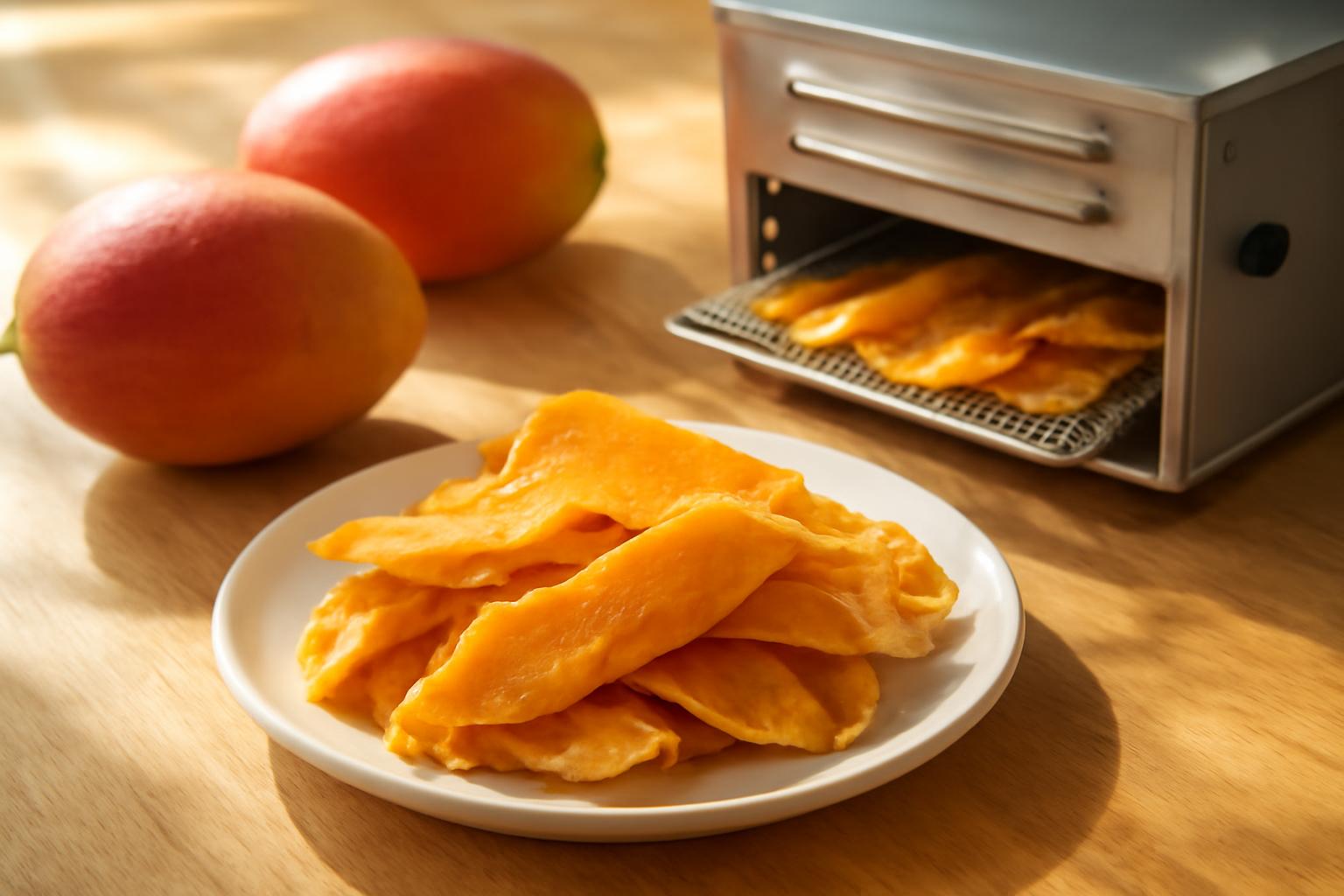
Sulphur dried mango is mango that has been dehydrated and treated with sulphur dioxide or sulfites to help preserve its bright color, extend shelf life, and reduce spoilage. It is generally safe for most people when eaten in moderation, but anyone with sulfite sensitivity or certain respiratory conditions should check the label and seek medical guidance if needed. If you want a fruity snack that stays tender and vibrant, this guide explains what sulphur treatment does, how to assess ingredients, and how to choose a product that fits your preferences, including what to look for when choosing a reliable freeze-dried fruit manufacturer.
What Is Sulphur Dried Mango?
Sulphur dried mango begins with ripe mango slices that are prepared for dehydration. Before or during processing, producers may use sulphur dioxide, a preservative commonly used in dried fruit, to protect the fruit from excessive browning and help maintain a golden-yellow appearance.
Why sulphur is used in dried fruit
Fresh mango contains natural enzymes that can darken the fruit after cutting and drying. Sulphur dioxide slows this oxidation, supports a longer shelf life, and helps preserve a more appealing color. In many products, it also contributes to a softer, more consistent texture during storage.
The ingredient list may use terms such as sulphur dioxide, sulfites, or a preservative code permitted in the product’s market. These labels are useful because they let shoppers compare sulphured dried fruit with unsulphured alternatives quickly and confidently.
How it differs from unsulphured mango
Unsulphured dried mango is made without sulphur dioxide, so it often looks darker, more amber, or brownish over time. That natural color difference does not automatically mean one option is better; it simply reflects a different preservation method. Taste, texture, added sugar, and sourcing can matter just as much.
For a broader look at texture, flavor, and snack appeal, explore soft dried mango varieties. Soft-dried formats can deliver a chewy bite that feels closer to ripe fruit than crisp or heavily dehydrated snacks.
Nutrition basics to keep in mind
Dried mango provides carbohydrates, naturally occurring fruit sugars, and small amounts of nutrients such as fiber and vitamin-related plant compounds. Because dehydration removes water, the calories and sugars are more concentrated than in fresh mango. A small serving can be satisfying, especially when paired with protein or healthy fats.
Always distinguish between naturally sweet mango and sweetened dried mango. Added sugar can substantially increase total sugar per serving, so the Nutrition Facts panel and ingredient list are the most reliable tools for making an informed choice.
Is Sulphur Dried Mango Safe to Eat?
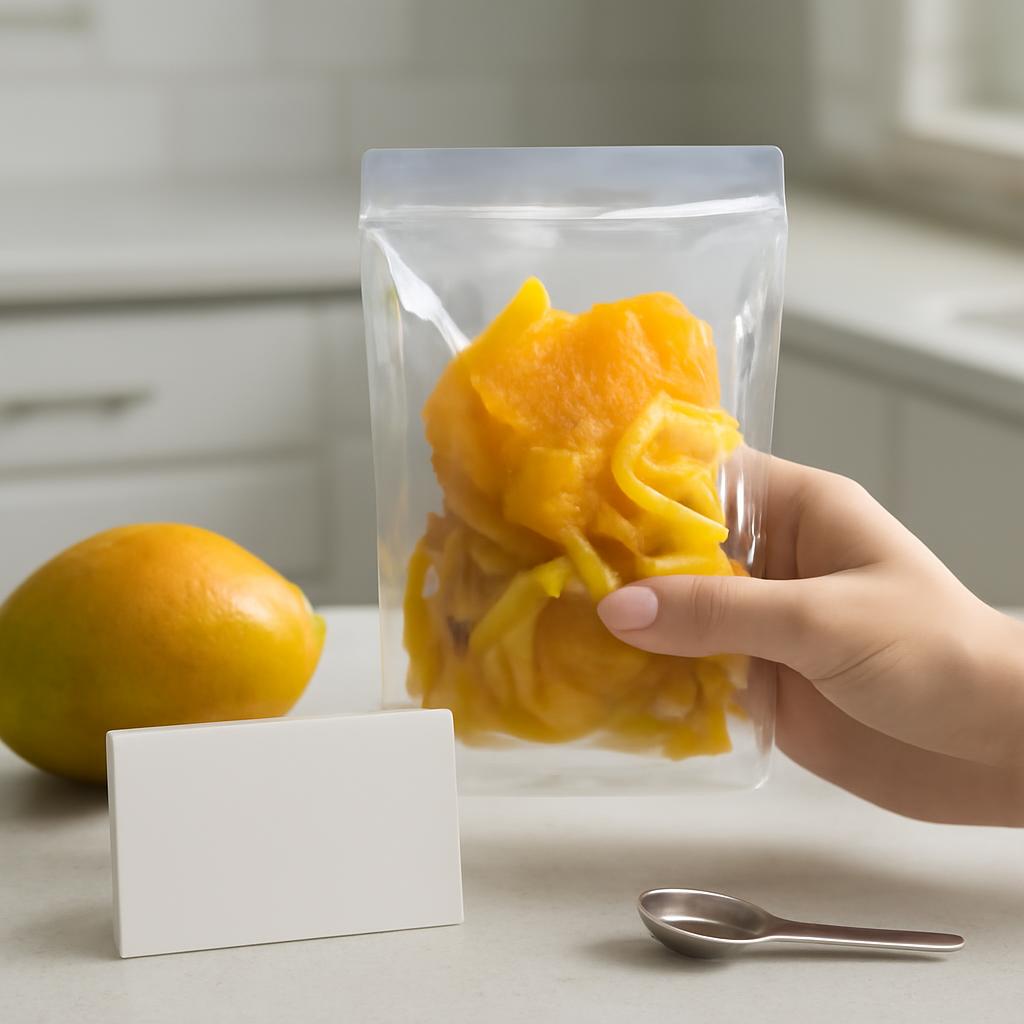
For most people, sulphur dried mango is safe when consumed as part of a balanced diet and produced according to applicable food-safety rules. Sulfites are widely used food preservatives, but they must be declared on labels in many regions because a small group of people can be sensitive to them.
Who should be careful with sulfites?
People with a known sulfite sensitivity should avoid products containing sulphur dioxide or other sulfites. Some individuals, particularly those with asthma, may experience symptoms after exposure. Possible reactions can include wheezing, hives, stomach discomfort, or nasal symptoms; severe or concerning symptoms require prompt medical attention.
Do not assume that every reaction to dried fruit is caused by sulfites. Mango itself, added ingredients, cross-contact, and portion size may also play a role. If there is a history of food reactions, a qualified healthcare professional can provide individualized advice.
Understanding labels and serving sizes
Look for clear ingredient statements such as “contains sulfites” or “preserved with sulphur dioxide.” A transparent package should also show serving size, total sugars, added sugars where required, and storage guidance. This information helps you compare options without relying on color alone.
Preservative-free dried mango can be a suitable preference for shoppers avoiding sulfites, but it may have a darker appearance and a different storage profile. Whether you choose sulphured or unsulphured fruit, prioritize sealed packaging, a clean ingredient list, and a product within its best-before date.
Moderation is still important
Even when no sensitivity is present, dried mango is best enjoyed mindfully. Its concentrated sweetness makes it easy to eat more than intended. Start with a modest portion, such as a small handful, and combine it with nuts, plain yogurt, or cheese to create a more balanced snack.
If you are comparing dried fruit formats for everyday snacking, this guide to tropical mango snacks can help you understand why softness, moisture level, and ingredient choices affect the overall eating experience.
How to Choose and Store Sulphur Dried Mango

Choosing good sulphur dried mango starts with reading beyond the front of the package. The best option depends on your priorities: a short ingredient list, no added sugar, a soft chew, a specific origin, or a preservative-free formulation. A careful label check takes only a moment and can prevent disappointing purchases.
Check the ingredient list first
Ideally, mango should be the first ingredient. Depending on the product, you may also see sugar, sulphur dioxide, citric acid, or other permitted ingredients. If you prefer a less processed snack, choose a package with fewer additions and avoid products with excessive sweeteners.
- For lower sweetness: choose unsweetened dried mango with no added sugar.
- For color retention: sulphur-treated mango commonly stays brighter.
- For sulfite avoidance: look specifically for unsulphured or preservative-free wording and verify the full label.
- For quality: select slices that are pliable, clean-smelling, and free from excess moisture.
Assess texture, color, and packaging
Bright golden color is common in sulphured products, while a darker tone is common in unsulphured fruit. Neither color alone proves freshness or quality. Instead, avoid packages with torn seals, heavy clumping, visible moisture droplets, mold, or an unusually fermented smell.
A resealable, moisture-resistant package helps retain the desired chewy dried mango texture. If the product is sold in bulk, purchase from a retailer with good turnover and clear handling practices. Bulk fruit exposed to air for long periods can lose texture and aroma.
Store it for the best flavor
Keep unopened dried mango in a cool, dry place away from direct sunlight. After opening, reseal the package tightly or transfer the fruit to an airtight container. In warm or humid climates, refrigeration can help preserve quality after opening.
Want more ideas for selecting a tender, fruit-forward snack? Read about how to choose soft dried mango for practical cues on flavor, texture, and everyday use.
Ways to Enjoy Sulphur Dried Mango
Sulphur dried mango is convenient straight from the bag, but it can also add tropical sweetness to meals and snacks. Its chewy texture works especially well in combinations that include creamy, salty, spicy, or crunchy ingredients.
Build a balanced snack
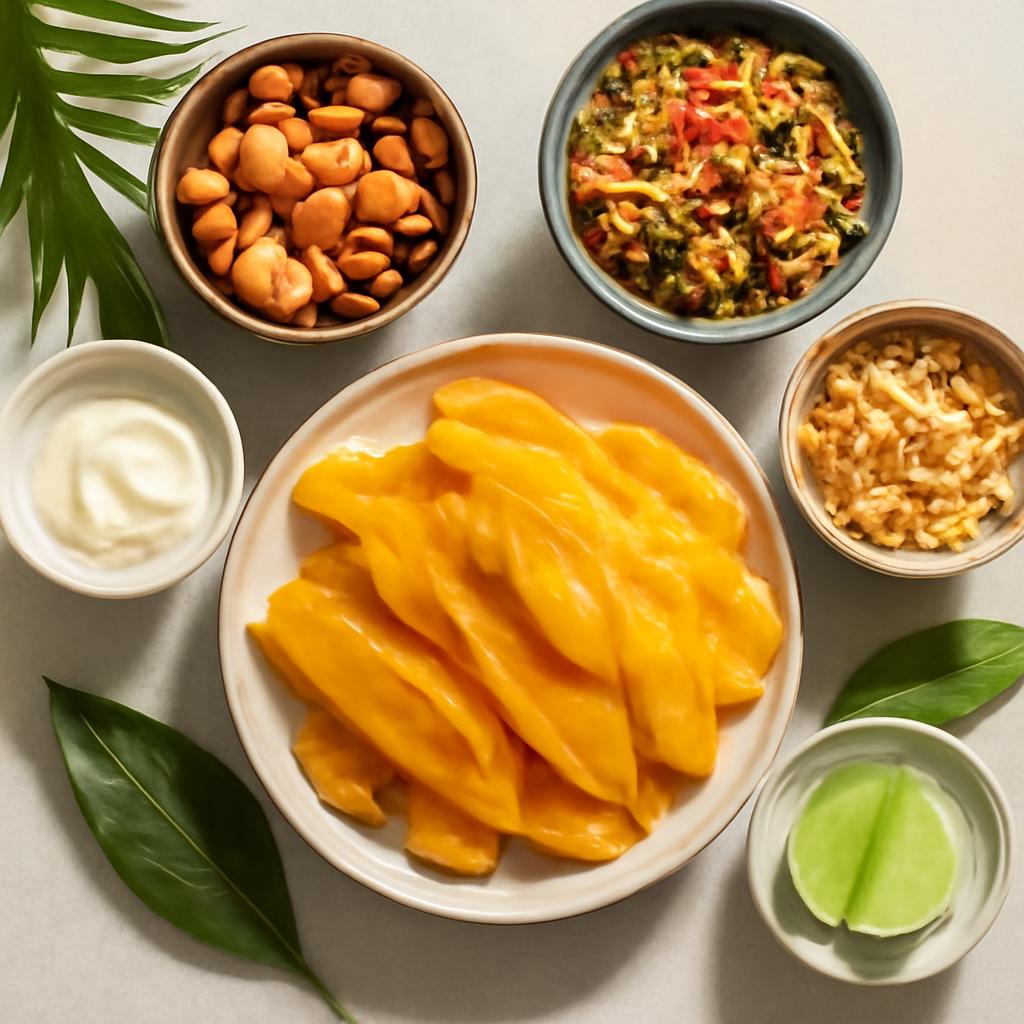
Pair a few mango slices with almonds, cashews, pumpkin seeds, or unsweetened Greek yogurt. The protein and fat from these foods can make the snack more filling and help balance the fruit’s concentrated sweetness.
For a simple lunchbox option, combine dried mango with roasted nuts and coconut flakes, then portion the mix into small containers. This makes it easier to enjoy a sensible amount instead of eating directly from a large bag.
Add tropical flavor to recipes
Finely chop sulphur dried mango and stir it into oatmeal, granola, rice bowls, salads, or couscous. It also pairs well with lime, chili, ginger, and toasted coconut. For a softer texture in baking, soak chopped pieces in warm water for a few minutes before adding them to batter.
Try it in a savory salad with greens, cucumber, avocado, and a citrus dressing. The sweet-tangy mango can contrast beautifully with salty cheese or a lightly spiced protein, creating a more interesting dish without complicated preparation.
Match the product to your needs
If you value a vivid appearance and extended stability, sulphur dried mango may be a practical fit. If avoiding sulfites is your primary goal, choose an unsulphured product and accept that its color may be more natural and variable. In either case, compare added sugar, portion size, and the overall ingredient list.
The best dried mango is the one that aligns with your dietary needs, taste preferences, and storage habits. Choose thoughtfully, enjoy a modest serving, and treat it as a flavorful part of a varied eating pattern rather than a replacement for fresh fruit.
Frequently Asked Questions
Is sulphur dried mango safe? Yes, it is generally safe for most people when consumed in moderation. People with sulfite sensitivity should avoid it and consult a healthcare professional for personalized guidance.
Why does sulphur dried mango look brighter? Sulphur dioxide helps slow oxidation, which reduces browning and helps the mango retain a more golden-yellow color during storage.
Does sulphur dried mango contain added sugar? Some products do, while others do not. Check the ingredient list and Nutrition Facts panel because sulphur treatment and added sugar are separate product characteristics.
What is the difference between sulphured and unsulphured dried mango? Sulphured mango contains sulfite preservatives and is often brighter in color. Unsulphured mango contains no added sulfites and may appear darker.
How should sulphur dried mango be stored? Store it in a cool, dry place in a tightly sealed package or airtight container. Refrigerate after opening if the climate is warm or humid.