Dried Mango Processing Innovation: Enhancing Quality and Sustainability
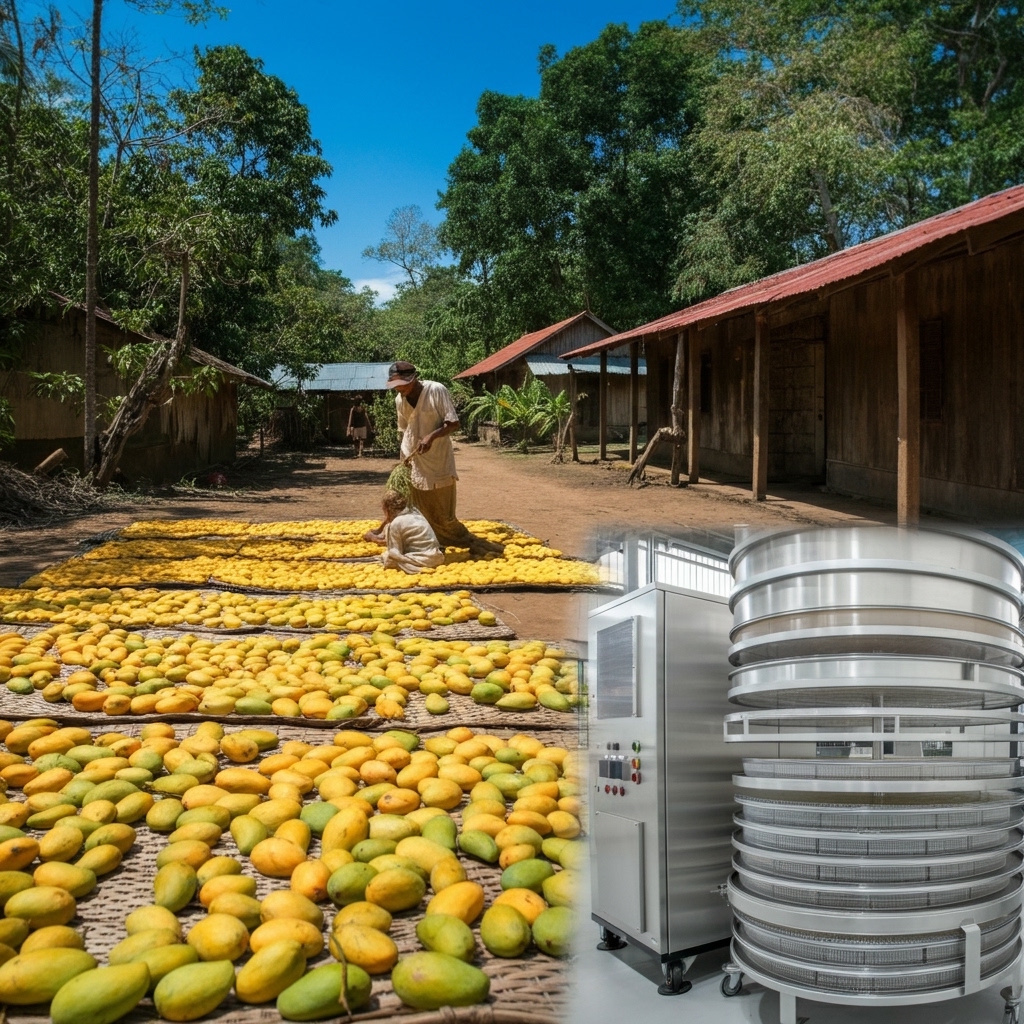
Dried Mango Processing Innovation: Enhancing Quality and Sustainability
Dried mango has long been a beloved snack, cherished for its naturally sweet taste and chewy texture. However, the journey from fresh, juicy mango to a perfectly preserved dried delight is a complex one, constantly being refined through innovation. As consumer demand for high-quality, nutritious, and sustainably produced snacks grows, the dried mango industry is embracing cutting-edge technologies to meet these evolving expectations.
This article explores the exciting advancements in dried mango processing, highlighting how new techniques are not only improving product quality and extending shelf life but also promoting environmental responsibility. Discover how innovation is shaping the future of this popular tropical treat.
The Evolution of Dried Mango Processing
Historically, drying mangoes was a simple, sun-driven process. Slices of fruit were laid out under the sun, relying on natural heat and air circulation to remove moisture. While effective, this method was slow, susceptible to weather changes, and offered limited control over hygiene and final product quality. Early industrialization introduced basic dehydrators, which provided more consistent drying conditions but still left much room for improvement in terms of energy efficiency and nutrient retention.
The quest for better flavor, texture, and nutritional value spurred continuous research and development. Processors began to understand that the drying method significantly impacts the final product’s characteristics. This understanding laid the groundwork for the sophisticated technologies we see today, transforming how mangoes are processed into a delicious soft dried mango that retains much of its original goodness.
Key Innovations Driving Quality and Efficiency
Modern dried mango processing is characterized by a suite of innovative technologies designed to optimize every step, from fruit selection to packaging. One significant advancement is osmotic dehydration, where mango slices are steeped in a sugar solution. This process partially removes water through osmosis, reducing the energy needed for subsequent drying and helping to preserve color, flavor, and texture. It’s often followed by a gentle drying method like vacuum drying or low-temperature air drying.
Another game-changer is the application of freeze-drying technology. While more energy-intensive, freeze-drying removes water by sublimation, resulting in a product with superior aroma, color, and nutritional integrity. It creates a crisp, light texture that rehydrates quickly, offering a distinct alternative to traditional chewy dried mango. Additionally, advancements in automation and artificial intelligence (AI) are being integrated into sorting, slicing, and quality control systems, ensuring consistent product quality and reducing human error. These innovations are crucial for producing a premium soft dried mango that meets global standards.
Sustainable Practices in Dried Mango Production
Innovation in dried mango processing isn’t just about product quality; it’s also about environmental responsibility. Sustainable practices are becoming a cornerstone of the industry, driven by consumer demand and regulatory pressures. Companies are investing in energy-efficient drying equipment, such as heat pump dryers and solar-assisted dehydrators, to reduce their carbon footprint and operating costs.
Waste reduction is another critical area of innovation. By-products like mango peels and seeds, once discarded, are now being explored for their potential in generating biofuels, animal feed, or extracting valuable compounds for other industries. Furthermore, optimizing water usage in washing and blanching processes, along with implementing ethical sourcing practices for fresh mangoes, contributes to a more sustainable supply chain. These efforts ensure that the production of your favorite irresistible tropical snack is as kind to the planet as it is to your palate.
The Future Landscape of Dried Mango Innovation
The future of dried mango processing is poised for even greater breakthroughs. Researchers are exploring novel drying techniques like microwave-vacuum drying and pulsed electric field (PEF) pre-treatment, which promise even faster drying times and better nutrient retention. The integration of advanced sensor technology will allow for real-time monitoring and adjustment of drying parameters, ensuring optimal conditions for every batch.
Consumer preferences will continue to drive innovation, with a growing emphasis on natural ingredients, minimal processing, and functional benefits. Expect to see dried mango products fortified with vitamins or probiotics, or prepared with innovative flavor infusions. As technology advances, the industry will continue to push the boundaries, ensuring that dried mango remains a versatile, healthy, and delicious snack for generations to come, produced with efficiency and respect for the environment.