How to Rehydrate Dried Mango: Restore Its Juicy Texture
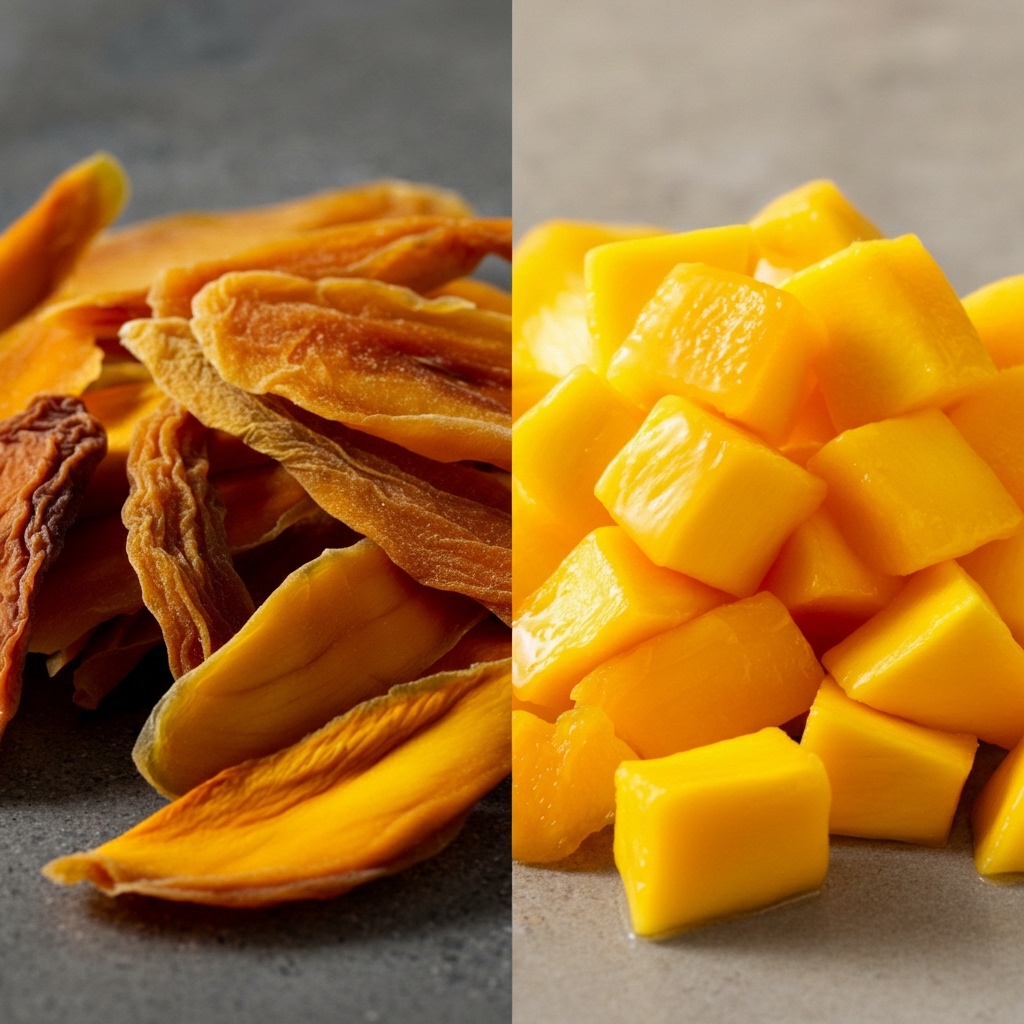
How to Rehydrate Dried Mango: Restore Its Juicy Texture
Dried mango is a delightful and convenient snack, packed with concentrated flavor. However, sometimes you might desire a softer, juicier texture for cooking, baking, or simply a different eating experience. Rehydrating dried mango is a simple process that can transform its chewy consistency back to a luscious, plump state, making it more versatile for various culinary applications. Whether you’re looking to enhance a dish or just prefer a less chewy bite, this guide will walk you through the easy steps to bring your dried mango back to life.
Why Rehydrate Dried Mango?
Rehydrating dried mango offers several compelling benefits. Firstly, it restores much of the fruit’s original juicy, tender texture, making it more palatable for those who find dried fruit too tough or chewy. This renewed softness is ideal for children or individuals with dental sensitivities, allowing them to enjoy the sweet, tropical flavor without effort.
Beyond texture, rehydrated mango integrates more seamlessly into a wide array of recipes. Its softer consistency means it blends better into smoothies, bakes more evenly in muffins and cakes, and can be diced or pureed with ease for sauces, salsas, or fillings. This versatility unlocks new culinary possibilities that might be challenging with hardened dried pieces. If you’re a fan of the naturally sweet and chewy goodness of soft dried mango, you’ll appreciate how rehydration can elevate its use in your kitchen.
The Easiest Ways to Rehydrate Dried Mango
There are several straightforward methods to rehydrate dried mango, each varying slightly in speed and convenience. The most common and gentle approach involves soaking the mango in liquid. For this method, simply place your dried mango pieces in a bowl and cover them with warm (not hot) water, fruit juice (like apple or orange for added flavor), or even a spirit like rum for adult recipes. Ensure all pieces are fully submerged. Let them soak for 20-30 minutes, or longer if you desire a very soft texture. You’ll notice the mango absorbing the liquid and becoming plumper.
For a quicker rehydration, especially if you’re in a hurry, you can use the microwave or stovetop. To microwave, place the mango in a microwave-safe bowl with just enough water to cover it. Microwave on high for 1-2 minutes, then let it sit for a few minutes before draining. For the stovetop, bring the mango and water to a gentle simmer for 5-10 minutes, then remove from heat and let it sit until cool. Both methods accelerate the absorption process, but be careful not to overcook, which can make the mango mushy.
Tips for Perfect Rehydration Every Time
Achieving perfectly rehydrated mango involves a few key considerations. Firstly, the type of liquid matters. While water is the most neutral choice, using fruit juice can infuse additional flavor, while warm milk or coconut milk can add creaminess for desserts. Secondly, monitor the soaking time. Over-soaking can lead to mushy mango, losing its pleasant chewiness. Start with shorter times (20 minutes for cold water, 5 minutes for warm) and extend as needed until the desired texture is reached.
Another crucial tip is to ensure that the mango pieces are fully submerged during the soaking process. Any parts exposed to air will not rehydrate properly, leading to uneven texture. If pieces float, place a small plate or lid on top to keep them under the liquid. Once rehydrated, drain the mango thoroughly and pat dry with a paper towel if you’re using it in a recipe where excess moisture is undesirable. This simple process can revive your delicious soft dried mango snack, making it ready for its next culinary adventure.
Creative Uses for Your Rehydrated Mango
Once your dried mango is beautifully rehydrated, its versatility truly shines. You can incorporate it into a multitude of dishes, adding a burst of tropical sweetness and a tender bite. Consider chopping it finely and adding it to morning oatmeal or yogurt parfaits for a refreshing twist. It’s also an excellent addition to fruit salads, restoring that juicy texture you miss from fresh mango, and can be a delightful topping for ice cream or pancakes.
For savory applications, rehydrated mango can be a star ingredient in salsas for fish or chicken tacos, providing a sweet-tart counterpoint to spicy flavors. Blend it into smoothies or purees for homemade baby food or vibrant sauces. You can even bake with it, folding the softened pieces into muffins, cakes, or bread puddings, where its moisture and flavor will truly enhance the final product. The possibilities are endless when you transform your premium soft dried mango into a rehydrated delicacy.
Rehydrating dried mango is an easy and rewarding process that significantly expands its culinary potential. By following these simple methods and tips, you can enjoy the luscious texture and vibrant flavor of mango in more ways than ever before. So, next time you reach for that bag of dried mango, consider giving it a little bath – you’ll be amazed at the transformation!