How to Choose the Best Soft Dried Fruits: A Comprehensive Guide
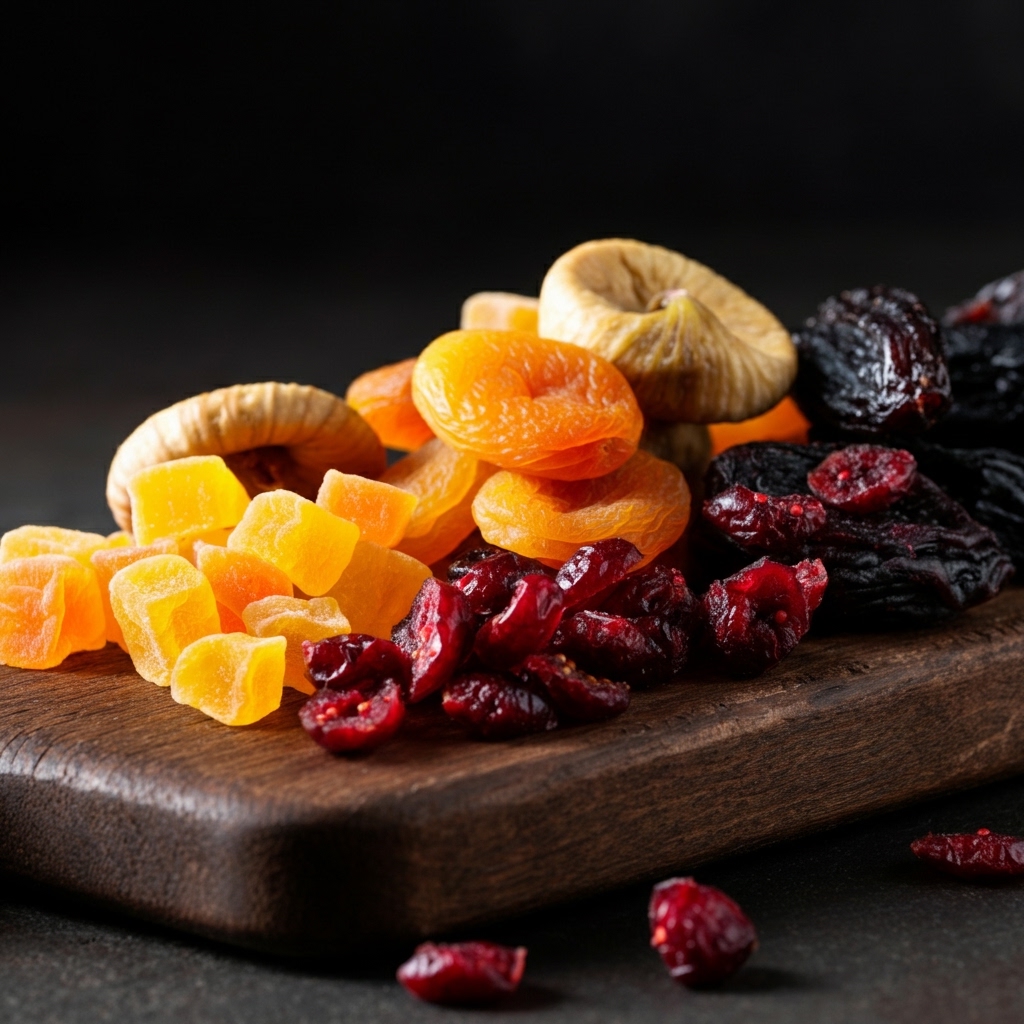
Choosing the best soft dried fruits involves evaluating quality, nutritional content, and processing methods. To find premium options, focus on minimal additives, natural sweetness, and a plump, vibrant appearance. This guide will walk you through the essential factors to consider, ensuring you pick the most delicious and healthy soft dried fruits for your snacking pleasure, from understanding processing to identifying top-tier products.
Understanding Soft Dried Fruits: What Makes Them “Best”?
Soft dried fruits are a fantastic, convenient snack, offering concentrated flavor and nutrients. However, not all dried fruits are created equal. The term “soft” often implies a rehydration process or a specific drying method that retains more moisture than traditionally sun-dried varieties, leading to a chewier, more succulent texture. This distinction is crucial when looking for the highest quality product that balances taste with health benefits.
The quest to choose best soft dried fruits begins with understanding what differentiates them. Unlike their crunchy, freeze-dried counterparts, soft dried fruits maintain a delightful chewiness, making them versatile for snacking, baking, or adding to cereals. The key lies in preserving the fruit’s natural essence without excessive processing or artificial ingredients.
A truly superior soft dried fruit provides a burst of natural flavor and a satisfying texture. It should feel naturally moist and tender, not sticky or overly firm. The best products often highlight their single-ingredient nature, free from unnecessary oils or sweeteners that can mask the fruit’s inherent goodness and add unwanted calories.
The Drying Process: A Key Factor
The drying method significantly impacts the final quality and nutritional value of soft dried fruits. Traditional sun-drying, while natural, can sometimes lead to a tougher product. Modern controlled dehydration techniques, such as tunnel drying or osmotic drying, allow for precise moisture removal, resulting in a softer, more consistent texture. These methods help retain vital vitamins and minerals, crucial for a truly healthy snack option. Look for brands that are transparent about their drying processes, as this often indicates a commitment to quality.
For example, some premium brands prioritize low-temperature drying to preserve heat-sensitive nutrients and enzymes. This meticulous approach ensures that when you choose soft dried fruits, you’re getting as much of the original fruit’s goodness as possible. The goal is to remove water efficiently while keeping the fruit’s cellular structure intact, preventing it from becoming brittle or overly hard.
Key Nutritional Benefits
Soft dried fruits are powerhouses of concentrated nutrition. They are an excellent source of dietary fiber, which aids digestion and promotes satiety. Depending on the fruit, they can also provide significant amounts of antioxidants, vitamins (like Vitamin A and C), and minerals (such as potassium and iron). For instance, dried apricots are rich in iron, while dried mango offers a good boost of Vitamin C.
However, it’s important to remember that the sugar content is also concentrated. While it’s natural fruit sugar, portion control is key. The best soft dried fruits prioritize natural sweetness without adding refined sugars, making them a healthier alternative to many processed snacks. They can be a valuable part of a balanced diet, contributing to your daily fruit intake and providing sustained energy. Always check the nutritional labels to ensure you’re making an informed choice about the premium healthy snack choice that aligns with your dietary goals.
Essential Criteria for Selecting Quality Soft Dried Fruits
When standing in the aisle, faced with numerous options, how do you truly distinguish the best soft dried fruits from the rest? It boils down to a few critical factors that speak volumes about a product’s quality, purity, and overall value. Paying attention to these details will empower you to make healthier and more satisfying choices, ensuring you get the most out of your purchase.
Beyond taste, the integrity of the fruit itself, the way it’s processed, and its origin all contribute to its designation as ‘best.’ A discerning eye and a bit of label-reading can save you from products laden with unnecessary extras and guide you towards truly wholesome options that support your well-being. This meticulous approach is key to finding excellent soft dried fruits.
Checking Ingredients and Additives
The ingredient list is your first and most important clue. The best soft dried fruits typically have only one ingredient: the fruit itself. Be wary of products that list added sugars, sulfites, or artificial preservatives. While sulfites (often sulfur dioxide) are sometimes used to preserve color and extend shelf life, many prefer to avoid them due to potential sensitivities. Choose products that boast minimal ingredients for the purest experience.
Excessive sugar content can turn a healthy snack into a sugary treat. Look for “no added sugar” labels to ensure the sweetness comes solely from the fruit’s natural sugars. Similarly, added oils might contribute to texture but can also increase calorie count unnecessarily. The absence of these additives is a strong indicator of a superior product, reflecting a commitment to natural goodness and a focus on the fruit’s inherent nutritional value.
Assessing Texture and Appearance
The visual and tactile qualities of soft dried fruits are excellent indicators of freshness and proper processing. High-quality soft dried fruits should appear plump, vibrant in color (appropriate to the fruit), and have a slightly moist, tender feel. They shouldn’t be overly sticky, indicating excessive sugar coating, or excessively dry and brittle, suggesting over-drying or staleness.
Avoid fruits that look discolored, overly dull, or have a crusty exterior. These signs can point to poor storage, aging, or inferior processing. A uniform color and consistency throughout the batch are also good indicators of a well-controlled drying process. When you pick up a piece, it should yield slightly to pressure, confirming its desirable soft texture.
Considering Origin and Sourcing
The origin of your soft dried fruits can impact both taste and ethical considerations. Fruits grown in their native regions often benefit from optimal climate and soil conditions, leading to superior flavor. Furthermore, looking for sustainably sourced and organically grown options ensures you’re consuming products free from harmful pesticides and supporting environmentally responsible practices. Certifications like USDA Organic or fair trade labels can provide assurance.
Transparent sourcing information also allows you to make an informed decision about the companies you support. Many consumers now prioritize products from regions known for high-quality fruit production and ethical labor practices. This attention to detail in sourcing is often reflected in the overall quality and taste of the final product, contributing to a truly Hana Nguyen Soft Dried Fruits experience.
Top Tips for Enjoying Your Soft Dried Fruits
Once you’ve made the wise decision to choose best soft dried fruits, the next step is to ensure you get the most enjoyment and longevity out of your purchase. Proper storage and creative culinary applications can elevate your snacking experience and seamlessly integrate these nutritious treats into your daily diet. These simple tips will help you savor every bite and maximize their benefits.
Soft dried fruits are incredibly versatile, perfect not just for on-the-go energy boosts but also as sophisticated additions to various dishes. Understanding how to best preserve their quality and how to creatively use them ensures that your investment in high-quality dried fruits pays off in both health and culinary delight.
Storage for Maximum Freshness
To keep your soft dried fruits at their peak freshness, proper storage is paramount. Always store them in an airtight container in a cool, dark place. Exposure to air, light, and heat can lead to them drying out, hardening, losing flavor, or even spoiling faster. A pantry or cupboard is ideal, away from direct sunlight or heat sources like ovens.
For even longer preservation, especially in humid climates or if you buy in bulk, consider refrigerating or even freezing them. Refrigeration can extend their shelf life significantly, maintaining their soft texture. If freezing, portion them out first, so you can easily grab what you need without thawing the entire batch. Always ensure the container is well-sealed to prevent freezer burn or absorption of other food odors.
Creative Ways to Incorporate Them
Soft dried fruits are far more than just a standalone snack; their concentrated flavor and chewy texture make them excellent additions to a myriad of dishes. Sprinkle them over your morning oatmeal, yogurt, or granola for a natural sweetness and fiber boost. They are also fantastic in baked goods like muffins, cookies, and bread, adding moisture and a delightful chew.
Consider adding chopped dried apricots or cranberries to salads for a sweet-tart contrast, or incorporating them into savory dishes like couscous, rice pilafs, or even stuffings for poultry. For a simple dessert, pair them with nuts and cheese, or blend them into smoothies for added thickness and natural sugars. The possibilities are endless, making them a versatile ingredient in any kitchen.
Câu hỏi thường gặp
Q1: What’s the main difference between soft dried and regular dried fruits?
A1: Soft dried fruits typically retain more moisture, resulting in a plumper, chewier texture compared to regular dried fruits, which can be tougher and drier. This is often due to different drying methods or rehydration processes.
Q2: Are soft dried fruits as healthy as fresh fruits?
A2: While they offer concentrated nutrients like fiber, vitamins, and minerals, soft dried fruits also have concentrated sugar content. They are a healthy snack in moderation but don’t fully replace the water content and some heat-sensitive vitamins found in fresh fruits.
Q3: How can I tell if a soft dried fruit has added sugar?
A3: Always check the ingredient list. If “sugar,” “cane sugar,” “syrup,” or any other form of added sweetener is listed, then it contains added sugar. The best options will only list the fruit itself as an ingredient.
Q4: Why are some soft dried fruits treated with sulfites?
A4: Sulfites (like sulfur dioxide) are often used as preservatives to maintain the fruit’s vibrant color and extend its shelf life. While generally safe, some individuals may have sensitivities to sulfites, so sulfite-free options are available.
Q5: What’s the best way to store soft dried fruits to keep them fresh?
A5: Store soft dried fruits in an airtight container in a cool, dark place, such as a pantry. For extended freshness, especially after opening, refrigeration or freezing in sealed containers can help maintain their soft texture and prevent spoilage.