Understanding Additives in Soft Dried Bananas: A Comprehensive Guide
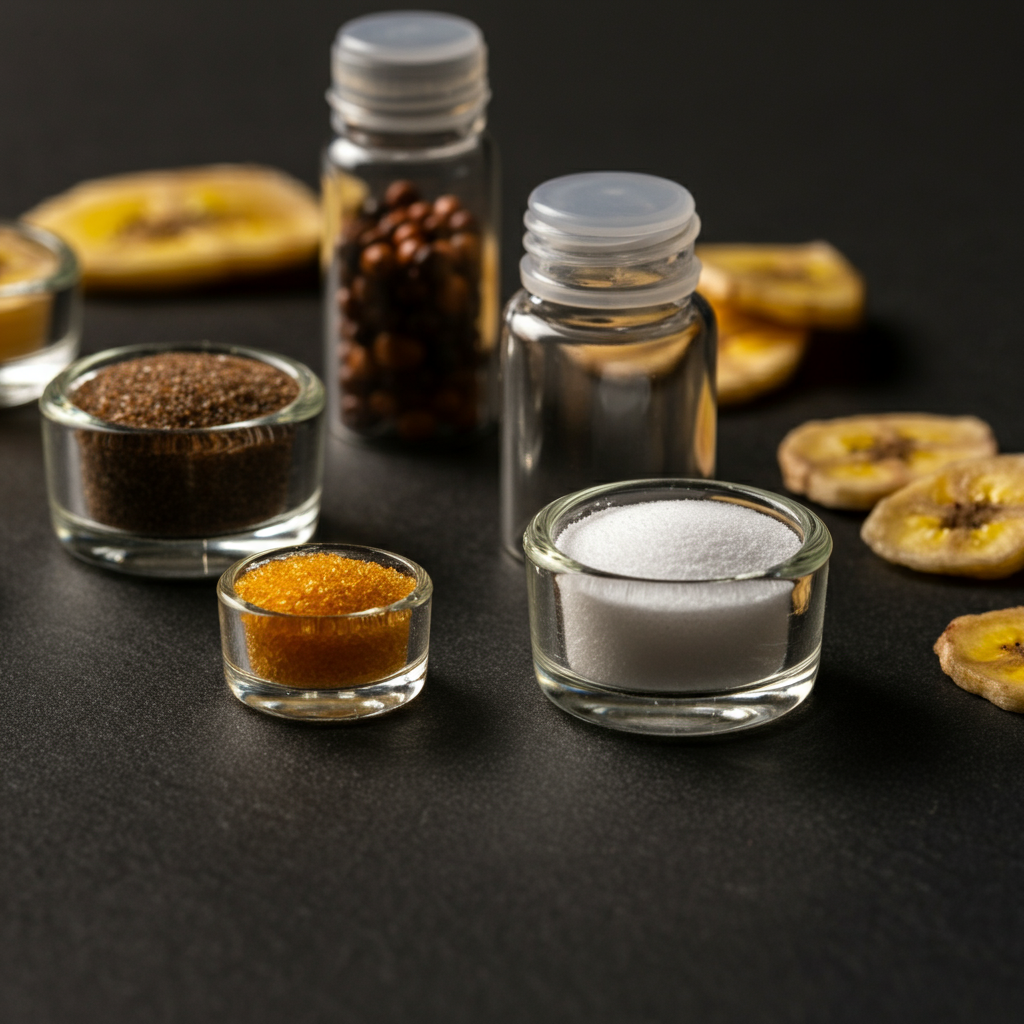
Understanding Additives in Soft Dried Bananas: A Comprehensive Guide
Soft dried bananas are a popular snack, known for their sweet taste and chewy texture. They offer a convenient way to enjoy the nutritional benefits of bananas, but have you ever wondered what goes into making them? Beyond the fruit itself, many soft dried banana products contain various additives. Understanding these ingredients is key to making informed choices about your snacks. This guide will delve into the world of additives found in soft dried bananas, exploring their purposes, common types, and what it means for your health and dietary preferences.
What Are Additives in Soft Dried Bananas?
Food additives are substances added to food to maintain or improve its freshness, safety, taste, texture, or appearance. In the context of soft dried bananas, additives primarily serve to extend shelf life, prevent discoloration, and sometimes enhance flavor or moistness. Without certain additives, dried fruits might spoil faster, lose their appealing color, or become overly dry and tough.
The use of additives is regulated by food safety authorities worldwide to ensure they are safe for consumption within specified limits. However, consumers are increasingly seeking products with minimal or no artificial ingredients, leading to a growing market for natural soft dried banana options that rely solely on the fruit’s inherent qualities and careful processing methods.
Common Additives and Their Functions
Several types of additives are commonly found in soft dried bananas, each with a specific role:
- Sulfur Dioxide (E220): This is perhaps the most common additive in dried fruits. It acts as a preservative, preventing spoilage by inhibiting bacterial growth and mold. More importantly, sulfur dioxide helps to maintain the banana’s natural light color, preventing it from turning brown due to oxidation.
- Sugar (Sucrose, Glucose Syrup): Often added to enhance sweetness, especially if the bananas used are not fully ripe or if a sweeter product is desired. It can also contribute to the soft, chewy texture.
- Citric Acid (E330): A natural acid found in citrus fruits, citric acid is used as a natural preservative and to balance the flavor. It can also help prevent enzymatic browning.
- Vegetable Oils (e.g., Sunflower Oil, Coconut Oil): Sometimes added in small amounts to prevent the banana pieces from sticking together and to maintain a soft, pliable texture. It can also give a slight sheen to the product.
While these additives are generally recognized as safe (GRAS) by regulatory bodies, understanding their purpose allows you to make informed decisions based on your dietary preferences and any sensitivities you might have.
The Pros and Cons of Additives in Soft Dried Bananas
The inclusion of additives in soft dried bananas brings both advantages and disadvantages:
Pros:
- Extended Shelf Life: Preservatives like sulfur dioxide significantly increase the product’s shelf life, reducing food waste and making it available for longer periods.
- Enhanced Appearance: Additives prevent discoloration, ensuring the bananas retain an attractive, bright color which is often preferred by consumers.
- Consistent Texture: Oils and sugars can help maintain a consistently soft and chewy texture, preventing the bananas from becoming too dry or hard.
- Wider Availability: Longer shelf life and improved appearance can lead to more widespread distribution and availability of the product.
Cons:
- Potential Sensitivities: Some individuals, particularly those with asthma or sulfite sensitivities, may experience adverse reactions to sulfur dioxide, including respiratory issues or digestive upset.
- Added Sugars: The addition of extra sugar can increase the calorie count and sugar content, which might be a concern for those managing blood sugar levels or overall sugar intake.
- Altered Natural Profile: Additives can slightly alter the natural flavor and nutritional profile of the banana. Many consumers prefer the pure, unadulterated taste of wholesome banana treats themselves.
For many, the benefits of preservation and appearance outweigh the potential drawbacks, especially for an occasional treat. However, for those with specific health concerns or dietary restrictions, awareness is key.
Choosing Soft Dried Bananas: Additive-Free vs. Conventional
When selecting soft dried bananas, you essentially have two main categories: those with additives and those without. The choice largely depends on your personal preferences, dietary needs, and health considerations.
Additive-Free Options: These products typically list only “banana” as their ingredient. They rely on careful drying processes to achieve preservation and may have a slightly darker color due to natural oxidation. For those seeking the purest form of fruit and wishing to avoid any potential sensitivities, additive-free healthy and delicious snack options are the ideal choice. They offer the unadulterated taste and nutritional benefits of the banana.
Conventional Options: These will list various additives like sulfur dioxide, sugar, or oils. They often boast a brighter color and a longer, more predictable shelf life. If you don’t have sensitivities to these ingredients and prioritize convenience and appearance, conventional soft dried bananas can be a perfectly acceptable snack.
Always make sure to read the ingredient label carefully. This is the most reliable way to understand exactly what you’re consuming and to ensure the product aligns with your dietary goals. Look for certifications like organic or non-GMO if those are important to you, as these often correlate with fewer artificial additives.
Conclusion
Soft dried bananas can be a wonderful addition to a balanced diet, offering natural sweetness and energy. By understanding the role of various additives, you empower yourself to make informed decisions that best suit your lifestyle and health needs. Whether you opt for an additive-free product or one with common preservatives, knowing your ingredients is the first step towards mindful snacking.