Soft Dried Banana vs Dried Mango: A Sweet Snack Showdown
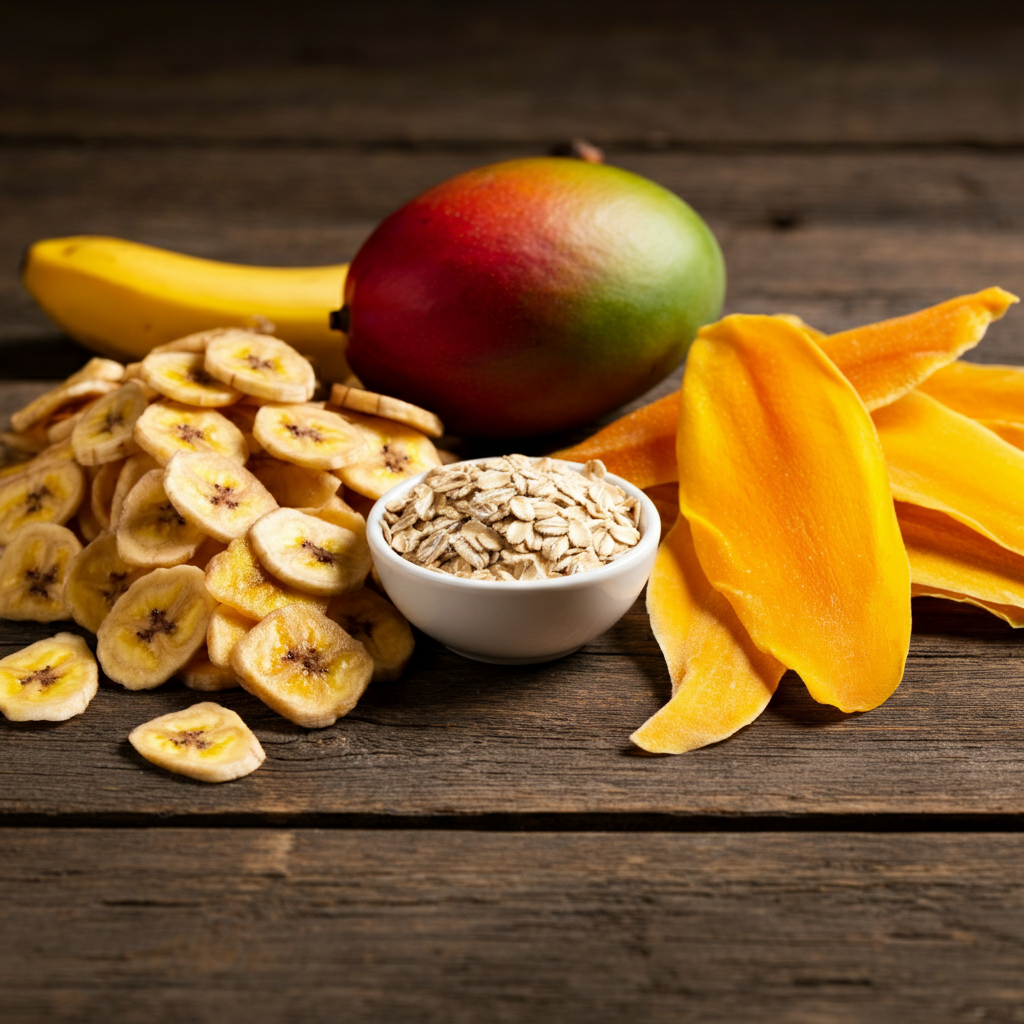
Soft Dried Banana vs Dried Mango: A Sweet Snack Showdown
When it comes to healthy, convenient, and utterly delicious dried fruit snacks, soft dried banana and dried mango often top the list. Both offer a burst of natural sweetness and a satisfying chewiness, making them popular choices for on-the-go energy or a guilt-free treat. But which one truly reigns supreme? This comprehensive comparison delves into their nutritional profiles, taste, texture, versatility, and more, helping you decide which dried fruit best suits your palate and lifestyle.
Whether you’re a fan of the mellow sweetness of bananas or the tangy tropical notes of mangoes, understanding the unique characteristics of each can elevate your snacking experience. Let’s explore the key differences and similarities between soft dried banana and dried mango.
Nutritional Face-Off: Calories, Vitamins, and More
Both soft dried banana and dried mango are concentrated sources of nutrients, as the drying process removes water but retains most of the vitamins, minerals, and fiber. However, their specific nutritional makeups differ. Soft dried banana is particularly rich in potassium, a vital electrolyte for muscle function and blood pressure regulation. It also provides a good amount of dietary fiber, which aids digestion and promotes satiety, making it a stellar choice for a quick energy boost.
On the other hand, dried mango shines with its high vitamin C content, an essential antioxidant that supports immune health and skin vitality. It also contains a notable amount of vitamin A, crucial for vision and immune function. While both contain natural sugars, it’s always wise to check labels for any added sugars, especially in commercially prepared dried fruits. Opting for naturally processed options ensures you’re getting the pure goodness of the fruit.
When comparing caloric density, both snacks are relatively similar due to their concentrated nature. However, the exact figures can vary depending on the specific drying method and portion size. For those seeking a convenient and nutrient-rich soft dried banana option that’s packed with goodness, it’s hard to go wrong with either, but knowing their distinct vitamin and mineral contributions can help you choose based on your dietary needs.
Taste and Texture: A Sensory Comparison
The sensory experience is where soft dried banana and dried mango truly diverge. Soft dried banana typically offers a rich, mellow sweetness with subtle caramel notes. Its texture is wonderfully chewy and tender, often described as soft and pliable, almost melting in your mouth. This makes it a comforting and satisfying snack, especially for those who enjoy a less intense, more rounded sweetness.
Dried mango, in contrast, presents a more vibrant and tangy flavor profile. It’s intensely sweet with a distinct tropical zest that can range from slightly sour to deeply fruity, depending on the ripeness of the original fruit. Its texture is generally chewier than soft dried banana, sometimes even a bit fibrous, offering a more robust bite. Some varieties can be quite firm, while others remain surprisingly supple.
Ultimately, the choice between the two often comes down to personal preference. Do you crave the comforting, almost dessert-like quality of soft dried banana, or do you prefer the exotic, tangy punch of dried mango? Each offers a unique and delightful chewing experience that can satisfy different cravings.
Versatility and Usage: Beyond Just Snacking
While both are excellent standalone snacks, their distinct flavors and textures lend them to various culinary applications. Soft dried banana, with its gentle sweetness, is incredibly versatile. It can be chopped and added to oatmeal, granola, or yogurt for a natural sweetener and texture boost. It also works wonderfully in baking, providing moisture and flavor to muffins, cookies, and bread. Many use it as a base for energy bars or blend it into smoothies for extra body and nutrients.
Dried mango, with its bold tropical flavor, is fantastic in trail mixes, adding a chewy, tangy element alongside nuts and seeds. It’s also a popular addition to savory dishes, such as salads with a fruity twist or even some Southeast Asian-inspired curries, where its sweetness can balance spices. Its vibrant color makes it an attractive garnish for desserts or breakfast bowls, making it a truly healthy and delicious snack with diverse applications.
Both can be rehydrated for use in recipes that call for fresh fruit, though their texture will remain distinct. Experimenting with both in your kitchen can unlock a world of delicious possibilities, proving that these dried fruits are much more than just simple snacks.
Price and Availability: Making Your Choice
When considering price and availability, there can be some variations. Generally, dried mango tends to be slightly more expensive than soft dried banana, primarily due to the global supply chain, processing costs, and seasonal availability of fresh mangoes. However, prices can fluctuate based on brand, organic certification, and whether you’re purchasing in bulk or smaller quantities.
Both are widely available in most supermarkets, health food stores, and online retailers. You can often find them in various forms, from whole strips to diced pieces. When making your purchase, consider buying from reputable brands that prioritize natural drying processes and avoid excessive preservatives or added sugars. Reading reviews and comparing prices across different vendors can help you find the best value for your money.
Ultimately, the choice between soft dried banana and dried mango comes down to your personal taste preferences, nutritional goals, and how you plan to use them. Both are fantastic choices that offer unique benefits. Why not try both and see which one becomes your new favorite? To learn more about specific healthy snacking options, you might discover why Soft Dried Banana: Your New Go-To Healthy & Delicious Snack might be your perfect choice.