Soft Dried Banana Quality Control: From Farm to Fork Excellence
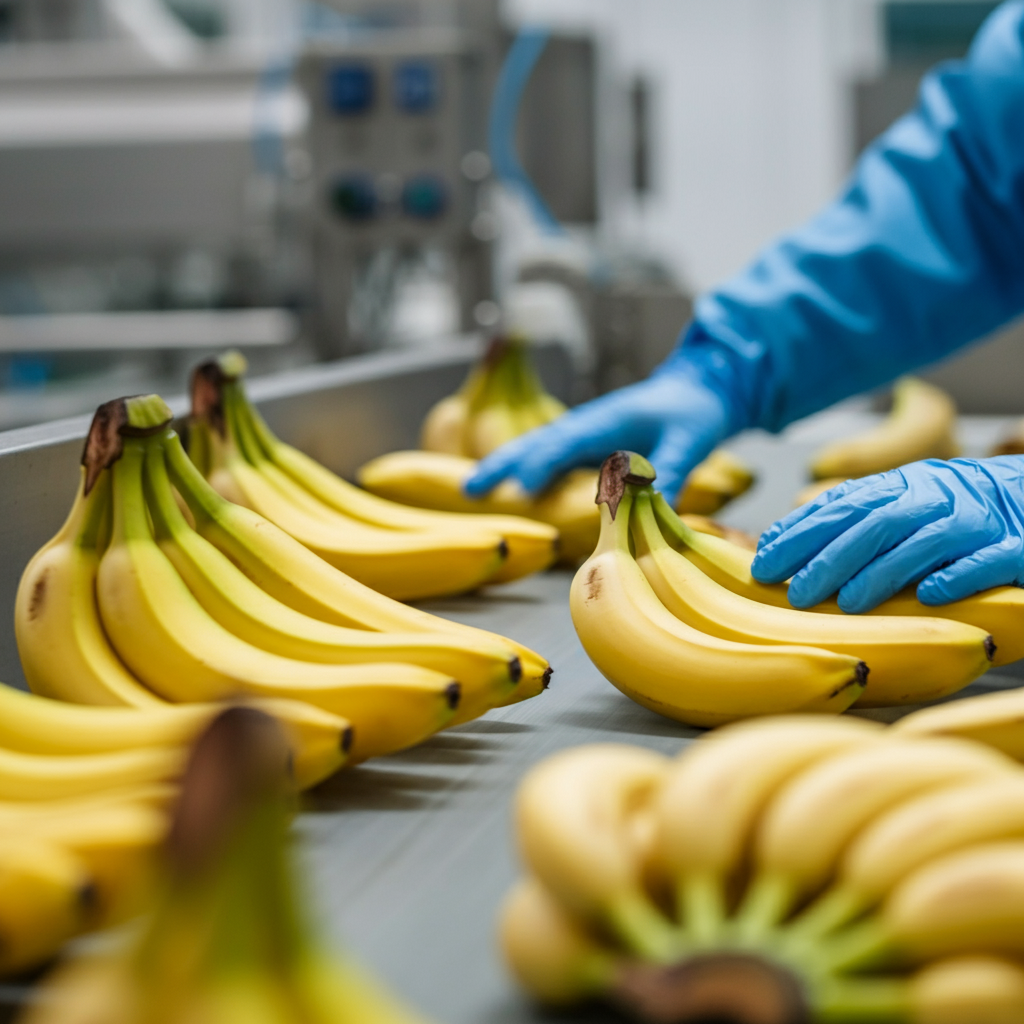
Soft Dried Banana Quality Control: From Farm to Fork Excellence
The Paramount Importance of Quality Control in Soft Dried Banana Production
In the competitive world of healthy snacks, the integrity of a product is paramount. For soft dried bananas, quality control isn’t just a regulatory formality; it’s the bedrock of consumer trust, product safety, and brand reputation. From the moment bananas are harvested until they reach your pantry, meticulous checks ensure that every bite is not only delicious but also consistently safe and wholesome. This rigorous process guarantees that the natural goodness and unique texture of the fruit are preserved, offering the delightful experience of soft dried banana.
Consumers today are more discerning than ever, demanding transparency and assurance regarding the food they consume. A robust quality control system addresses these demands by minimizing risks such as contamination, spoilage, and inconsistencies in taste or texture. It ensures that the product meets stringent health standards and provides a superior eating experience, solidifying its place as a trusted and enjoyable snack option.
Key Stages of Quality Control: Ensuring Perfection at Every Step
The journey of a soft dried banana from farm to fork involves several critical stages, each with its own set of quality control measures. This multi-layered approach ensures that potential issues are identified and rectified early, preventing them from affecting the final product. The process typically begins even before processing, focusing on the raw materials themselves.
- Raw Material Inspection: Only bananas at their optimal ripeness, free from bruises, pests, or diseases, are selected. This initial screening is crucial for the flavor and texture of the final dried product.
- Washing and Sanitization: Bananas are thoroughly washed and sanitized to remove any surface contaminants, ensuring hygiene.
- Slicing and Pre-treatment: Precision slicing ensures uniformity, which is vital for even drying. Some processes may involve pre-treatment to enhance color or extend shelf life.
- Drying Process Monitoring: The drying temperature and duration are meticulously controlled to achieve the desired moisture content, texture, and flavor profile without over-drying or under-drying.
- Post-Drying Inspection: After drying, each batch undergoes visual and sensory inspection for color, texture, aroma, and taste. Metal detection and other foreign material checks are also performed.
- Packaging and Storage: Packaging materials are checked for integrity, and the packing process is monitored to prevent contamination. Proper storage conditions are maintained to preserve freshness until delivery.
Every step is documented, and samples are regularly tested in laboratories to verify nutritional content and microbiological safety. This continuous monitoring is what makes a truly healthy snack option possible.
Adhering to Standards: Certifications and Regulations
For soft dried banana producers, compliance with international and local food safety standards is non-negotiable. Certifications like HACCP (Hazard Analysis and Critical Control Points) and ISO 22000 (Food Safety Management System) are benchmarks that demonstrate a commitment to safety and quality. These systems provide a framework for identifying, evaluating, and controlling food safety hazards, from farm to consumption.
Beyond fundamental safety, many consumers also value certifications related to ethical sourcing and sustainable practices. Organic certifications assure consumers that no synthetic pesticides or fertilizers were used. Fair Trade certifications ensure that farmers received fair compensation for their produce. Adhering to these standards not only enhances product credibility but also builds a reputation for ethical and responsible production.
The Tangible Benefits of Rigorous Quality Control
The dedication to stringent quality control yields significant benefits for both producers and consumers. For consumers, it translates directly into peace of mind, knowing they are consuming a safe, nutritious, and consistently delicious product. They can trust that every pack of soft dried bananas will meet their expectations for taste, texture, and health benefits.
For producers, rigorous quality control leads to reduced product recalls, minimizes waste due to spoilage or defects, and enhances operational efficiency. More importantly, it fosters customer loyalty and strengthens brand reputation, ultimately driving business growth. In an increasingly health-conscious market, a reliably high-quality product like your new go-to healthy and delicious snack stands out, earning repeat purchases and positive recommendations.