Soft Dried Banana and Blood Sugar: What You Need to Know
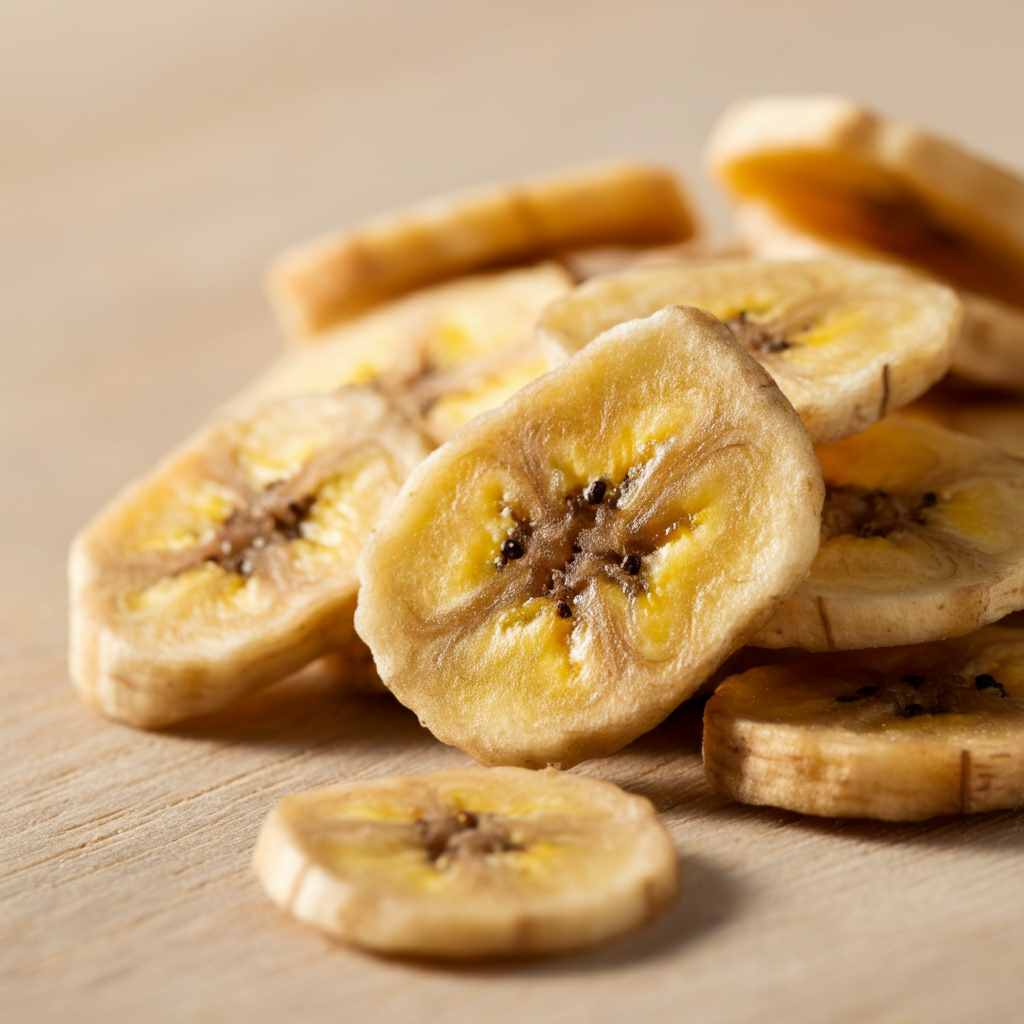
Soft Dried Banana and Blood Sugar: What You Need to Know
Soft dried bananas are a popular and convenient snack, cherished for their chewy texture and concentrated sweetness. However, for individuals monitoring their blood sugar, questions often arise about how this delightful treat impacts glucose levels. Understanding the nutritional profile of soft dried bananas, especially their sugar content and glycemic index, is crucial for incorporating them into a balanced diet.
The Sweet Truth: Understanding Soft Dried Bananas and Their Sugar Content
Soft dried bananas are made by removing most of the water from fresh bananas, a process that concentrates their nutrients, flavors, and naturally occurring sugars. While no sugar is typically added during the drying process for pure soft dried bananas, the natural sugars—fructose, glucose, and sucrose—become more concentrated per serving. This means that a smaller portion of dried banana will contain more sugar than an equivalent weight of fresh banana.
It’s important to differentiate between added sugars and natural sugars. The sugars in soft dried bananas are intrinsic to the fruit itself. However, due to the water removal, the carbohydrate density increases significantly. For those seeking a delicious and nutritious snack option, understanding this concentration is key to mindful eating. Many find soft dried bananas to be a satisfying alternative to processed sweets.
Navigating Blood Sugar: Glycemic Impact of Soft Dried Bananas
The glycemic index (GI) and glycemic load (GL) are measures that indicate how quickly and how much a food raises blood glucose levels. Foods with a high GI are digested and absorbed rapidly, leading to a quick spike in blood sugar, while low GI foods cause a slower, more gradual rise. Soft dried bananas, like many dried fruits, generally have a moderate to high glycemic index, though this can vary based on ripeness and processing methods.
The concentration of natural sugars and the reduced water content contribute to this higher GI compared to fresh bananas. While the fiber content in bananas can help mitigate some of the sugar’s impact, the overall effect on blood sugar is still more pronounced than eating a fresh, whole banana. Therefore, portion control becomes particularly vital when consuming this convenient and healthy snack choice, especially for individuals managing diabetes or insulin resistance.
Beyond the Sweetness: Nutritional Benefits for Overall Health
Despite their sugar content, soft dried bananas offer a wealth of health benefits that make them a valuable addition to many diets when consumed in moderation. They are an excellent source of dietary fiber, which aids digestion, promotes satiety, and can help slow the absorption of sugars into the bloodstream, thereby moderating blood glucose response. This fiber content also contributes to gut health and can help regulate bowel movements.
Furthermore, soft dried bananas are rich in essential minerals, particularly potassium and magnesium. Potassium is vital for maintaining healthy blood pressure and proper muscle function, while magnesium plays a role in over 300 biochemical reactions in the body, including blood glucose control and nerve function. They also provide B vitamins and antioxidants, supporting overall energy metabolism and cellular health. Incorporating this versatile healthy snack into your diet means more than just satisfying a sweet craving; it means fueling your body with beneficial nutrients.
Smart Consumption: Enjoying Soft Dried Bananas Responsibly for Blood Sugar Management
For those concerned about blood sugar levels, enjoying soft dried bananas responsibly involves a few key strategies. Portion control is paramount: a small handful (around 1/4 cup or 30-40 grams) is typically a sufficient serving. Pairing soft dried bananas with foods rich in protein or healthy fats can also help slow down sugar absorption and prevent rapid blood sugar spikes. Consider combining them with a small portion of nuts, seeds, or Greek yogurt.
Opting for unsweetened varieties is always recommended to avoid unnecessary added sugars. Always check the ingredient list to ensure no additional sweeteners have been included. By being mindful of portion sizes, pairing them wisely, and choosing high-quality products, soft dried bananas can remain a delightful and nutritious part of a balanced diet, even for those managing their blood sugar. They truly can be a fantastic way to enjoy a natural treat while supporting your overall well-being.