Hana Nguyen Fruits Powder vs Fresh Fruit: The Ultimate Nutritional Showdown
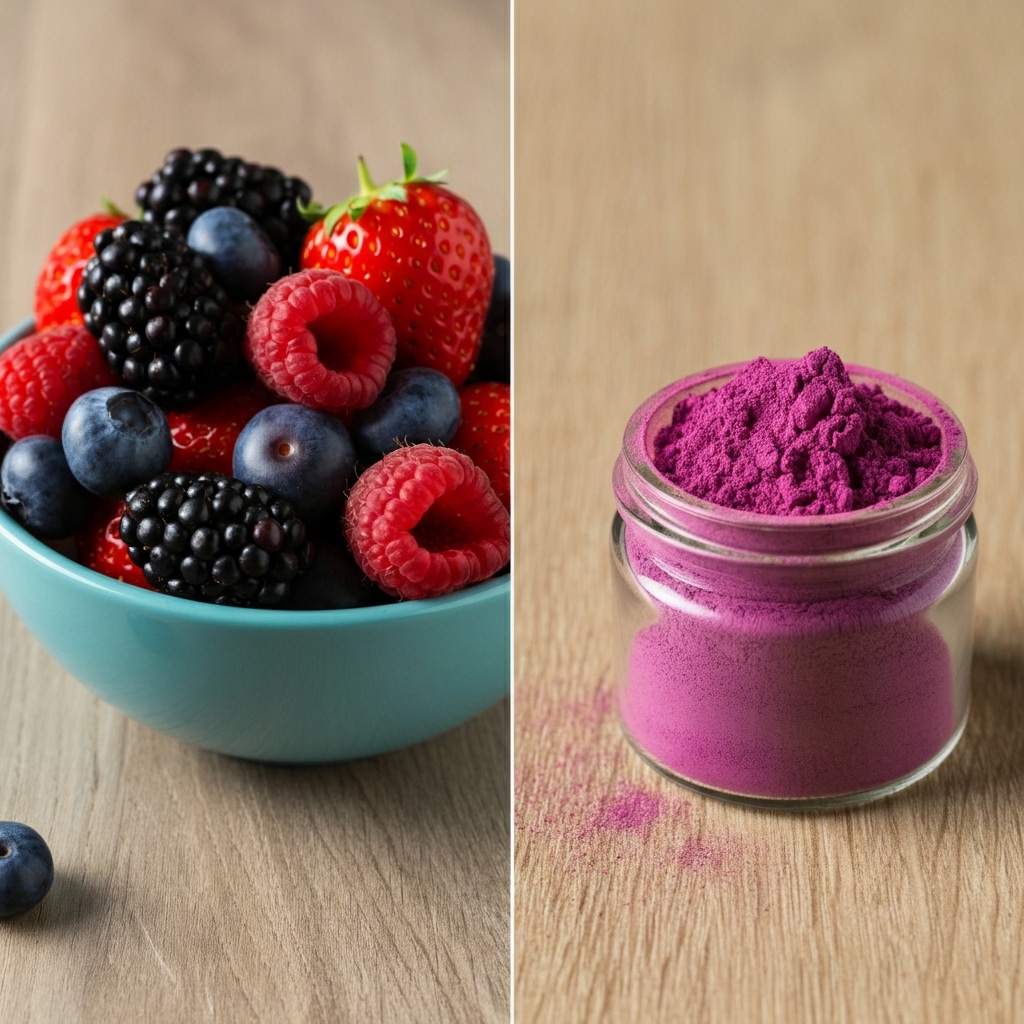
Choosing between Hana Nguyen Fruits Powder and fresh fruit can be a perplexing decision for many health-conscious individuals, as both offer valuable nutrition. The core difference lies in their concentrated nutrient profiles and practical applications, with fruit powders often providing a highly convenient, shelf-stable source of vitamins and antioxidants. This comprehensive guide will equip you with the knowledge to make an informed choice, comparing their nutritional value, convenience, cost, versatility, and overall impact on your daily wellness routine.
Understanding the Contenders: What Are They?
When we talk about ‘fresh fruit,’ we’re referring to whole, raw fruit that has been recently harvested and is typically perishable, requiring refrigeration. It’s the classic, natural choice, celebrated for its vibrant flavors, fibrous texture, and immediate hydration benefits. Fresh fruit is widely available and forms a cornerstone of healthy diets worldwide, offering a direct connection to nature’s bounty.
On the other hand, Hana Nguyen Fruits Powder represents a modern approach to fruit consumption. These powders are typically made from fruits that have undergone processes like freeze-drying, which removes water while aiming to preserve the nutritional content, color, and flavor. The dried fruit is then ground into a fine powder, creating a concentrated, shelf-stable product.
The Essence of Fresh Fruit
Fresh fruit provides a complete package: natural sugars, dietary fiber, water, vitamins, minerals, and a wide array of antioxidants. Its high water content contributes significantly to daily hydration, and the fiber aids digestive health and promotes satiety. The act of eating fresh fruit also engages multiple senses, from its aroma to its texture, offering a satisfying culinary experience.
The Innovation of Fruit Powders
Fruit powders, especially those made through freeze-drying, condense the benefits of fresh fruit into a compact form. This process locks in many of the delicate nutrients that might degrade over time in fresh produce. The result is a product that offers Hana Nguyen Fruits Powder, providing an easy way to boost your daily intake of fruit-derived nutrients without the concerns of spoilage or seasonal availability.
Nutritional Deep Dive: Powder vs. Fresh
The primary concern for many consumers when comparing fresh fruit to fruit powder is the nutritional integrity. Does the processing of fruit into powder diminish its health benefits? The answer, while nuanced, generally highlights that high-quality fruit powders retain a significant portion of the original fruit’s nutritional value.
Fresh fruit, undoubtedly, delivers nutrients in their most natural state, often accompanied by live enzymes and maximum hydration. However, its nutritional content can degrade rapidly after harvest, especially when exposed to light, air, and heat. Vitamins like Vitamin C are particularly sensitive and can diminish during storage and transportation.
Retaining Nutrients in Fruit Powders
Freeze-drying, the method often used for premium fruit powders like Hana Nguyen’s, is excellent for preserving nutrients. This process involves freezing the fruit and then placing it in a vacuum, causing the ice to sublimate directly into vapor. This gentle dehydration avoids high heat, which is a major destroyer of heat-sensitive vitamins and antioxidants. Consequently, the convenience of fruit powders often comes with impressive nutritional density.
While some minor nutrient loss is inevitable in any processing, the concentration of fruit pulp means that a small serving of fruit powder can deliver the equivalent nutrient profile of several servings of fresh fruit, once rehydrated or incorporated into foods. This makes fruit powder a potent source for boosting micronutrient intake.
Fiber and Water Content Differences
One key difference lies in fiber and water. Fresh fruit is rich in both soluble and insoluble fiber, essential for digestive health, and its high water content is crucial for hydration. Fruit powders, having had their water removed, do not offer the same hydration benefits. However, reputable fruit powders still contain dietary fiber, albeit in a more concentrated form, and are often consumed with liquids, such as in smoothies, which helps compensate for the lack of water.
Convenience, Cost, and Shelf Life: Practical Considerations
Beyond nutrition, practical aspects heavily influence the choice between fresh fruit and fruit powder. Lifestyle, budget, and accessibility all play significant roles in determining which option is best suited for your needs. Both have distinct advantages and disadvantages in these areas.
The Convenience Factor
Fresh fruit requires washing, peeling (for some types), and cutting. It’s perishable, meaning it needs to be consumed relatively quickly to prevent spoilage. For individuals with busy schedules or those who travel frequently, maintaining a consistent supply of fresh produce can be challenging. Fruit powders, by contrast, offer unparalleled convenience. They require no preparation, are easy to store, and can be added to virtually any food or drink with minimal effort. This makes them ideal for quick breakfasts, on-the-go snacks, or for enhancing meals.
Cost-Effectiveness and Accessibility
The cost-effectiveness of fruit powder versus fresh fruit can vary. While the initial purchase price of a fruit powder might seem higher per gram, consider its shelf life and the lack of waste. Fresh fruit can be expensive, especially out of season, and a significant portion may go bad before it’s consumed, leading to financial loss. Fruit powders are available year-round, regardless of seasonal fluctuations, and their long shelf life means less food waste. This makes them a potentially more economical choice in the long run, particularly for specific fruits or those living in areas with limited access to `fresh produce advantages`.
Shelf Life and Storage
This is where fruit powders truly shine. Fresh fruit has a short shelf life, typically ranging from a few days to a couple of weeks, even with proper refrigeration. This limits bulk purchasing and requires frequent grocery trips. Fruit powders, due to their low moisture content, are incredibly `shelf-stable nutrition`. Stored correctly in an airtight container, they can last for months or even years without significant degradation, making them an excellent pantry staple for consistent nutrient access.
Versatility and Environmental Impact
The utility of fruit in your diet extends beyond simple consumption. Both fresh fruit and fruit powders offer unique applications, and their broader impact on the environment also warrants consideration.
Culinary Versatility
Fresh fruit is a delight on its own, sliced into salads, baked into desserts, or blended into smoothies. Its texture and visual appeal are often irreplaceable in certain dishes. However, fruit powders open up a new realm of culinary possibilities. They can be effortlessly blended into smoothies, yogurts, oatmeal, and even baked goods without altering the texture significantly. They are also fantastic for natural coloring and flavoring, making them a secret weapon for creative cooking and fruit powder applications.
Imagine adding a vibrant burst of berry powder to your morning yogurt or a subtle mango essence to a protein shake. This versatility allows for consistent intake of diverse fruit nutrients, even when fresh options are limited or inconvenient. They can also be used to fortify meals for picky eaters or to boost the nutrient content of children’s snacks.
Environmental Footprint
The environmental impact of food choices is increasingly important. Fresh fruit, while natural, often incurs a significant carbon footprint due to transportation (especially for out-of-season or exotic varieties), refrigeration, and packaging. Food waste from spoilage is also a major contributor to environmental issues.
Fruit powders, particularly freeze-dried varieties, can offer a more sustainable alternative in some aspects. The freeze-drying process often occurs closer to the source, reducing transportation needs for the finished product due to its lighter weight and smaller volume. Its extended shelf life drastically reduces food waste at the consumer level. By choosing `Hana Nguyen Fruits Powder`, you’re also potentially contributing to a system that maximizes the use of harvested fruit and minimizes spoilage.
Frequently Asked Questions
Q1: Do fruit powders lose nutrients compared to fresh fruit?
A1: While minor nutrient loss can occur during processing, high-quality fruit powders, especially freeze-dried ones, retain a significant amount of vitamins, minerals, and antioxidants due to gentle dehydration methods. They often offer a concentrated nutrient profile.
Q2: Can fruit powder replace all fresh fruit in my diet?
A2: Fruit powder is an excellent supplement and convenient alternative, but it’s generally best used to complement, rather than completely replace, fresh fruit. Fresh fruit offers unique benefits like high water content and specific fiber structures that powders may not fully replicate.
Q3: How should I store fruit powders to maintain their quality?
A3: Fruit powders should be stored in an airtight container in a cool, dark, and dry place. Protecting them from moisture, light, and air will help preserve their potency, flavor, and extend their `shelf life dried fruit`.
Q4: Are there any additives in Hana Nguyen Fruits Powder?
A4: High-quality fruit powders like Hana Nguyen’s typically contain only 100% pure fruit, with no added sugars, artificial flavors, colors, or preservatives. Always check the ingredient list to ensure purity.
Q5: What are the best ways to incorporate fruit powder into my diet?
A5: Fruit powders are incredibly versatile. They can be mixed into smoothies, yogurts, oatmeal, protein shakes, baked goods, sauces, or even used as a natural food coloring. Start with a small amount and adjust to taste and desired nutrient boost.