Fresh vs. Soft Dried Fruit: Unpacking the Benefits for Your Health
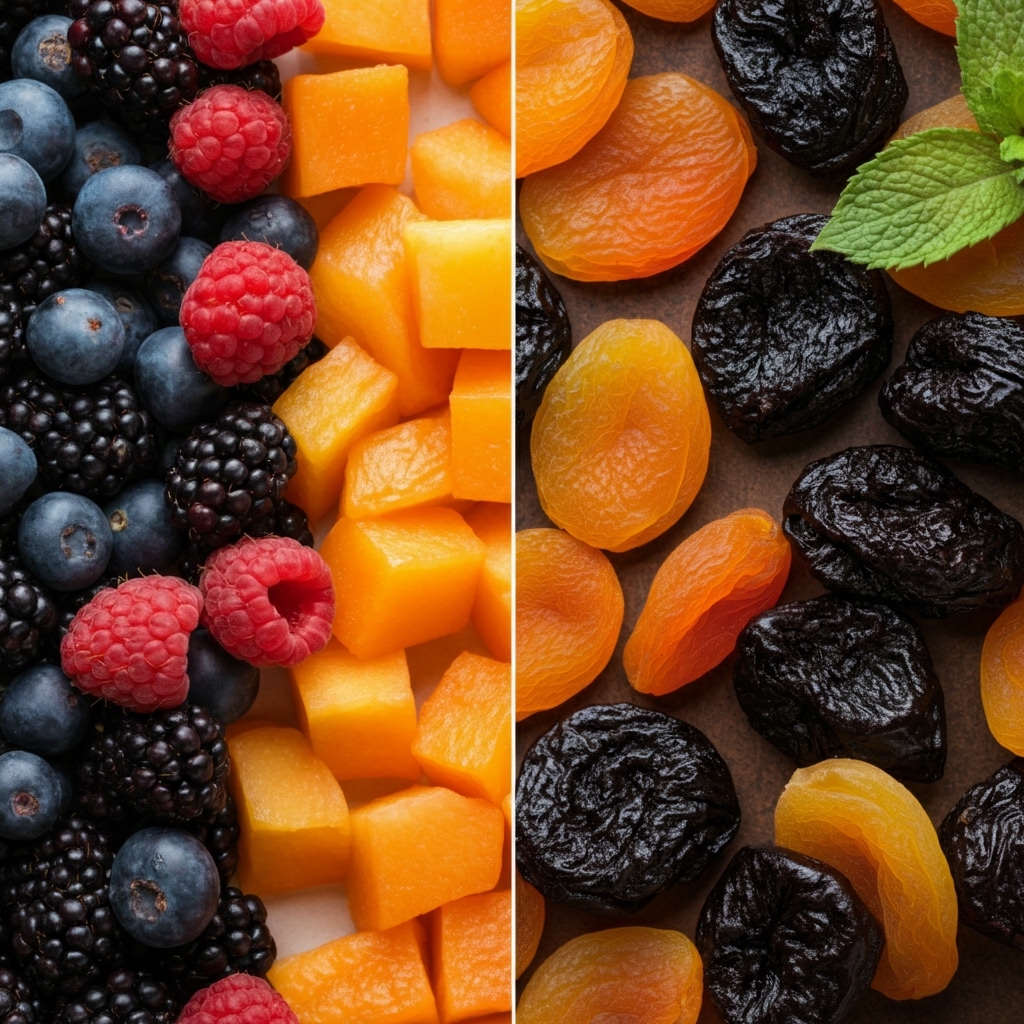
Wondering if fresh fruit or soft dried fruit is the better choice for your diet? Both fresh and soft dried fruits offer significant health benefits, though their nutritional concentrations and practical applications differ. This guide will provide a comprehensive comparison, breaking down the unique advantages of each form to help you make the best dietary decisions for your well-being. We’ll explore their nutritional content, convenience factors, and how to incorporate them effectively into your daily routine.
Nutritional Showdown: Fresh vs. Soft Dried Fruit
When comparing fresh and soft dried fruits, one of the primary considerations is their nutritional value. While fresh fruit is celebrated for its vibrant flavors and high water content, soft dried fruit offers a concentrated source of nutrients in a more compact form. The drying process removes most of the water, intensifying the fruit’s flavors and often its caloric and sugar density per serving size. This makes understanding the nuances crucial for health-conscious consumers.
Vitamin and Mineral Retention
Fresh fruits are excellent sources of water-soluble vitamins like Vitamin C and some B vitamins, which can be partially degraded by heat during the drying process. However, many fat-soluble vitamins (like Vitamin A, often found as beta-carotene) and minerals such as potassium, magnesium, and iron are largely retained in soft dried fruits. For instance, soft dried apricots are a powerhouse of iron, while dried figs are rich in calcium, making them valuable additions to your diet, especially for those looking to boost specific mineral intake.
Fiber Content and Digestive Health
Both fresh and soft dried fruits are fantastic sources of fiber content, essential for digestive health. Soft dried fruits, due to their concentrated nature, often contain a higher amount of dietary fiber per gram compared to their fresh counterparts. This higher fiber density can contribute significantly to your daily recommended intake, aiding in satiety, regulating blood sugar levels, and promoting healthy bowel function. Including a mix of both fresh and soft dried fruits ensures a diverse intake of both soluble and insoluble fibers.
Sugar and Calorie Density
One key difference lies in the concentration of natural sugars and calories. Because water is removed, the sugars in soft dried fruit become more concentrated. This means a smaller portion of soft dried fruit will contain more calories and sugar than an equivalent portion of fresh fruit. While these are natural sugars, moderation is key, especially for individuals monitoring their sugar intake or managing weight. Fresh fruit, with its higher water content, offers more volume for fewer calories, which can be beneficial for satiety.
Convenience, Shelf Life, and Practical Uses
Beyond nutrition, the practical aspects of fresh versus soft dried fruit play a significant role in daily dietary choices. Convenience, storage, and versatility in cooking or snacking are major factors that influence how we incorporate fruit into our lives. Soft dried fruits excel in areas where fresh fruits might be less practical, offering solutions for busy lifestyles and diverse culinary needs.
Portability and Snacking
Soft dried fruits are undeniably superior in terms of portability. They are lightweight, non-perishable, and don’t require refrigeration, making them an ideal snack for on-the-go. Whether you’re hiking, traveling, or just need a quick energy boost at work, a handful of soft dried mango or apricots can be incredibly convenient. Fresh fruits, while delicious, are often more delicate, prone to bruising, and require careful packing, limiting their utility in certain situations.
Extended Shelf Life and Storage
The extended shelf life of soft dried fruits is one of their most significant advantages. Unlike fresh fruits which typically last only a few days to a week, soft dried fruits can be stored for months, even up to a year, when kept in an airtight container in a cool, dark place. This reduces food waste and ensures you always have a healthy snack option readily available, regardless of seasonal availability or immediate access to fresh produce.
Culinary Versatility
Both forms of fruit offer immense culinary versatility. Fresh fruits are perfect for eating raw, in smoothies, salads, or as toppings for yogurt and cereal. Soft dried fruits, however, bring a unique chewy texture and intense flavor to baked goods, trail mixes, oatmeal, and savory dishes. They can be rehydrated and used in compotes or sauces, or finely chopped and incorporated into stuffings or energy bars, adding a delightful sweetness and depth of flavor that fresh fruit cannot always provide.
Hydration, Antioxidants, and Overall Wellness
Ultimately, the choice between fresh and soft dried fruit often comes down to specific health goals and lifestyle factors. Both contribute positively to overall wellness, but in different ways that cater to various needs, from hydration to maximizing antioxidant benefits.
Water Content and Hydration
Fresh fruit, being primarily composed of water (often 80-90%), plays a crucial role in hydration. Eating fresh fruit contributes to your daily fluid intake, which is vital for all bodily functions, including nutrient transport, temperature regulation, and waste elimination. While soft dried fruits offer concentrated nutrients, they do not contribute significantly to hydration and should always be consumed with plenty of water to aid digestion of their high fiber content.
Antioxidant Power
Fruits, in general, are rich in antioxidants, which combat oxidative stress and may reduce the risk of chronic diseases. While some heat-sensitive antioxidants might be slightly reduced during the drying process, many powerful plant compounds and antioxidant benefits are retained and even concentrated in soft dried fruits. For example, dried plums (prunes) are known for their exceptionally high antioxidant capacity. Incorporating both types ensures a broad spectrum of these protective compounds in your diet.
Making the Best Choice for Your Lifestyle
There’s no single “best” option; rather, it’s about balance and understanding your needs. Fresh fruits are excellent for daily fruit intake, providing hydration and a wide array of vitamins. Soft dried fruits are a superb premium healthy snack choice, offering concentrated energy, fiber, and minerals, particularly useful for active individuals or those needing convenient, nutrient-dense options. For optimal health, aim to include both fresh and quality soft dried fruits in your diet, enjoying the unique advantages each brings to your plate.
Frequently Asked Questions
Are soft dried fruits as healthy as fresh fruits? Soft dried fruits are very healthy, offering concentrated fiber, minerals, and natural sugars. While they lack the water content and some heat-sensitive vitamins of fresh fruit, they retain many beneficial nutrients, making them a nutritious snack.
Can soft dried fruit help with weight loss? Due to their concentrated calories and natural sugars, soft dried fruits should be consumed in moderation for weight loss. However, their high fiber content can promote satiety, helping to reduce overall calorie intake if portion-controlled.
What is the best way to store soft dried fruit? Soft dried fruit should be stored in an airtight container in a cool, dark place to maintain freshness and prevent spoilage. Refrigeration can extend their shelf life even further.
Do soft dried fruits contain added sugar? Many soft dried fruits are available without added sugar, relying solely on their natural sweetness. Always check the ingredient list to ensure you’re choosing options free from unnecessary additives.
How much soft dried fruit should I eat daily? Due to their concentrated nature, a serving of soft dried fruit is typically smaller than fresh fruit. A common recommendation is about a quarter cup (1.5 ounces) per day, contributing to your overall daily fruit intake.