Freeze Dried vs Dried Fruits: A B2B Guide to Choosing the Right Preservation Technology
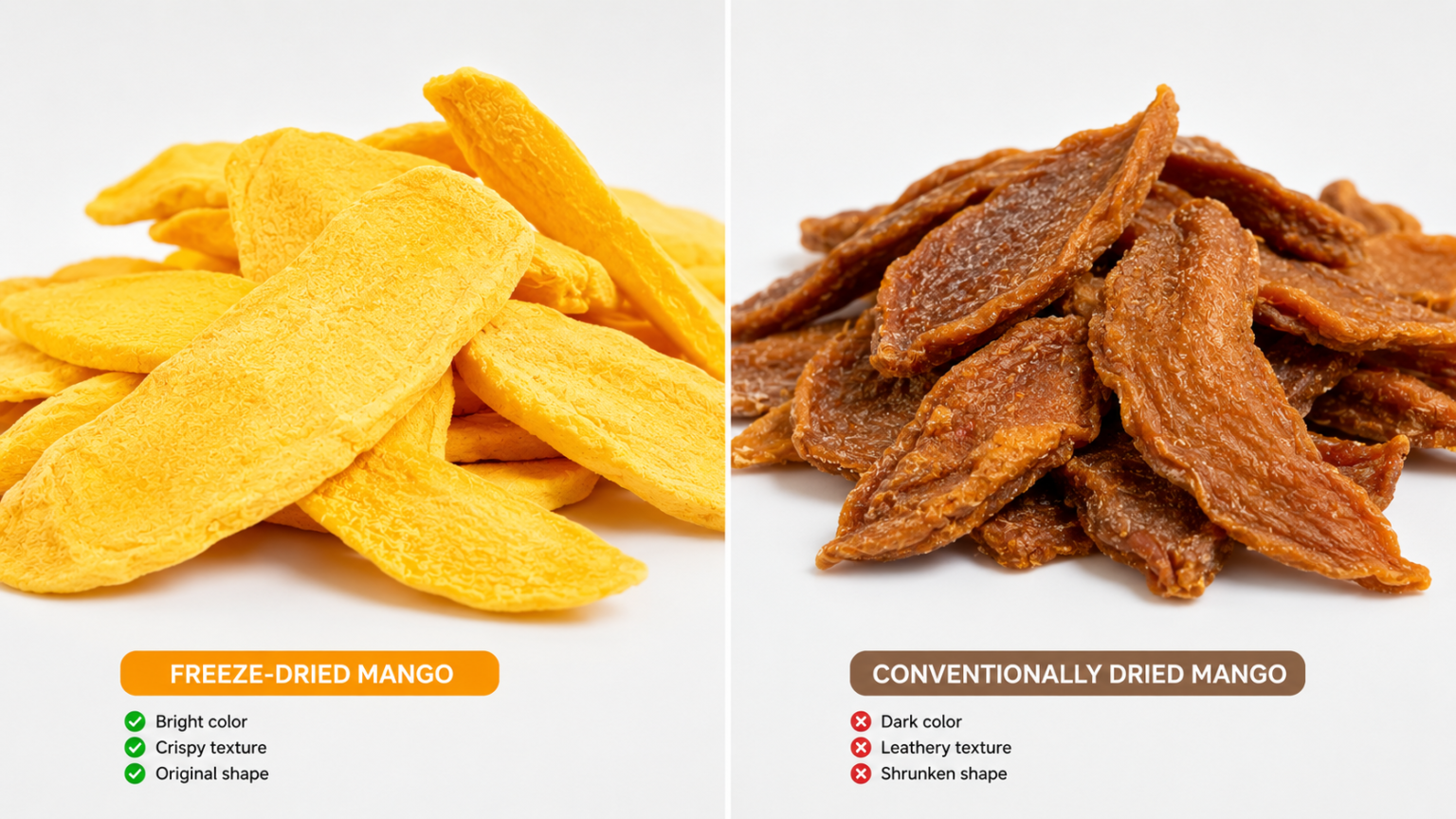
Freeze Dried vs Dried Fruits – A B2B Guide to Choosing the Right Preservation Technology
Understand the differences in nutrient retention, texture, shelf life, and cost. Learn which format best fits your industrial applications – and how Hana Nguyen’s advanced drying technologies deliver consistent, high‑quality results.
The Growing Global Demand for Dried Fruits
Consumer interest in shelf‑stable, ready‑to‑eat, and nutrient‑dense foods continues to rise. The global dried fruit market was valued at around $10.1 billion in 2025**, and forecasts suggest it will reach **$14.85 billion by 2030, supported by strong demand in snacking, bakery, and ready‑to‑eat meals. At the same time, the freeze‑dried foods segment has also experienced exceptional growth: the market size was estimated at $28.8 billion in 2026** and is projected to surpass **$48.3 billion by 2034, growing at a CAGR of 6.6%.
For B2B buyers, this translates into a critical sourcing question: freeze dried or conventionally dried? Each technology offers a distinct set of advantages and trade‑offs. Understanding these differences is essential for making an informed decision that aligns with your product goals and supply chain strategy.
Freeze Dried vs Dried Fruits: A Technical Comparison
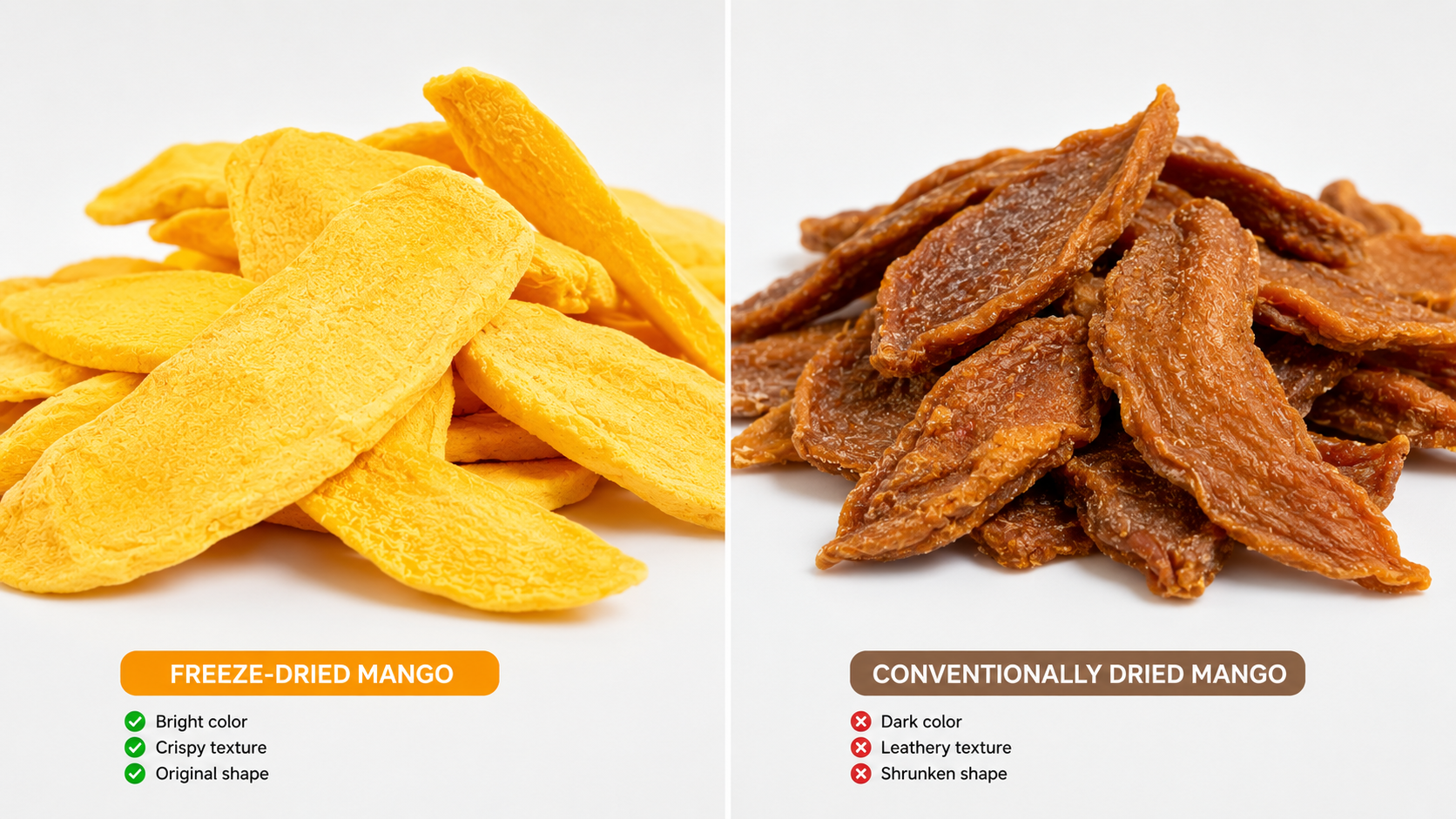
Below is a side‑by‑side comparison of the two preservation methods, covering the parameters that matter most to food manufacturers, importers, and brand owners.
Nutrient & Color Preservation
- Freeze Dried (FD): The process preserves up to 98% of the original nutrients, along with the fruit’s natural colour, shape and aroma. Low‑temperature sublimation also eliminates the need for added preservatives or colourants.
- Conventional Dried (CD): High‑temperature exposure leads to significant loss of heat‑sensitive vitamins (especially vitamin C) and can cause enzymatic browning. Manufacturers often rely on SO₂ (sulphur dioxide) or other additives to manage colour degradation.
Texture and Mouthfeel
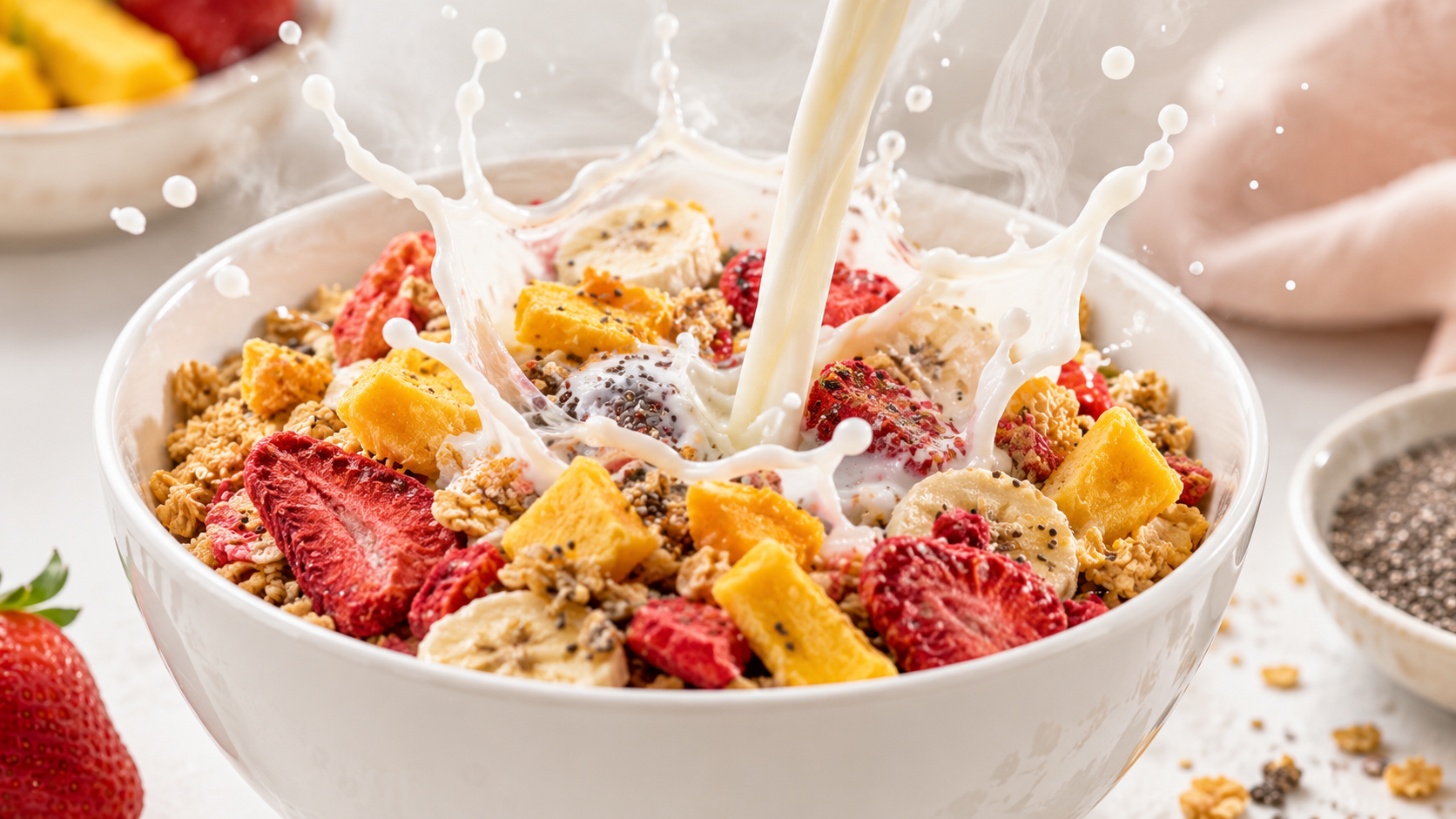
- Freeze Dried: Creates a light, porous, crispy structure that shatters easily but can be rehydrated almost instantly, making it ideal for cereals, snack bars, beverage mixes and chocolate inclusions.
- Conventional Dried: Yields a denser, chewier or leathery texture. This format is more suitable for standalone snacks, trail mixes and bakery fillings where a firm bite is desired.
Shelf Life & Storage Requirements
- Freeze Dried: Very low moisture (<4%) and very low water activity give a shelf life of 24 months or more under ambient conditions. No refrigeration is required, which significantly reduces cold‑chain costs.
- Conventional Dried: Higher residual moisture (typically 15‑25%) creates a shorter shelf life, usually 12‑18 months, and demands cooler, drier storage conditions to prevent mould development.
Additives & Clean‑Label Considerations
- Freeze Dried: The process relies on physical removal of water without chemicals, so no preservatives, added sugar or SO₂ are needed – a major advantage for clean‑label strategies.
- Conventional Dried: Many conventionally dried fruits require SO₂ or sugar syrup to preserve colour, prevent browning or add sweetness. This can make it more difficult to meet clean‑label or organic claims.
Production Cost & Price Point
- Freeze Dried: Higher initial equipment investment and energy consumption result in a premium price (roughly 8‑10 times higher than conventionally dried fruit).
- Conventional Dried: Lower production costs and more basic technology create a budget‑friendly alternative, ideal for large‑volume products where price sensitivity is high.
Industrial Applications
- Freeze Dried: Premium ready‑to‑eat snacks; inclusions for cereals, granola and chocolate bars; toppings for dairy and confectionery; instant beverage powders; natural colouring ingredients; baby food.
- Conventional Dried: Standalone snack products; trail mixes; bakery fillings (muffins, cakes, breads); breakfast cereals (chewable pieces); confectionery (dipped or coated fruit).
Market Trends: Why Freeze Drying Is Gaining Momentum
The shift toward freeze‑dried products is being driven by two powerful forces: consumer demand for natural, minimally processed foods and increasing import standards that restrict the use of additives such as SO₂.
In Vietnam, the market for freeze‑dried fruits and vegetables has expanded rapidly, buoyed by export opportunities to the EU, the US and Japan. Export turnover of processed fruits to the EU alone surged to $269 million in the first nine months of 2025, up 51.7% year‑on‑year, reflecting strong international demand for value‑added, high‑quality Vietnamese products. Vietnam’s freeze‑dried foods market is now experiencing robust growth, supported by lightweight, shelf‑stable products that are highly resilient to supply chain disruptions.
For global buyers, this means an increasingly reliable and cost‑competitive source of premium freeze‑dried ingredients – directly from a major tropical fruit growing region.
How Hana Nguyen Bridges Technology and Quality
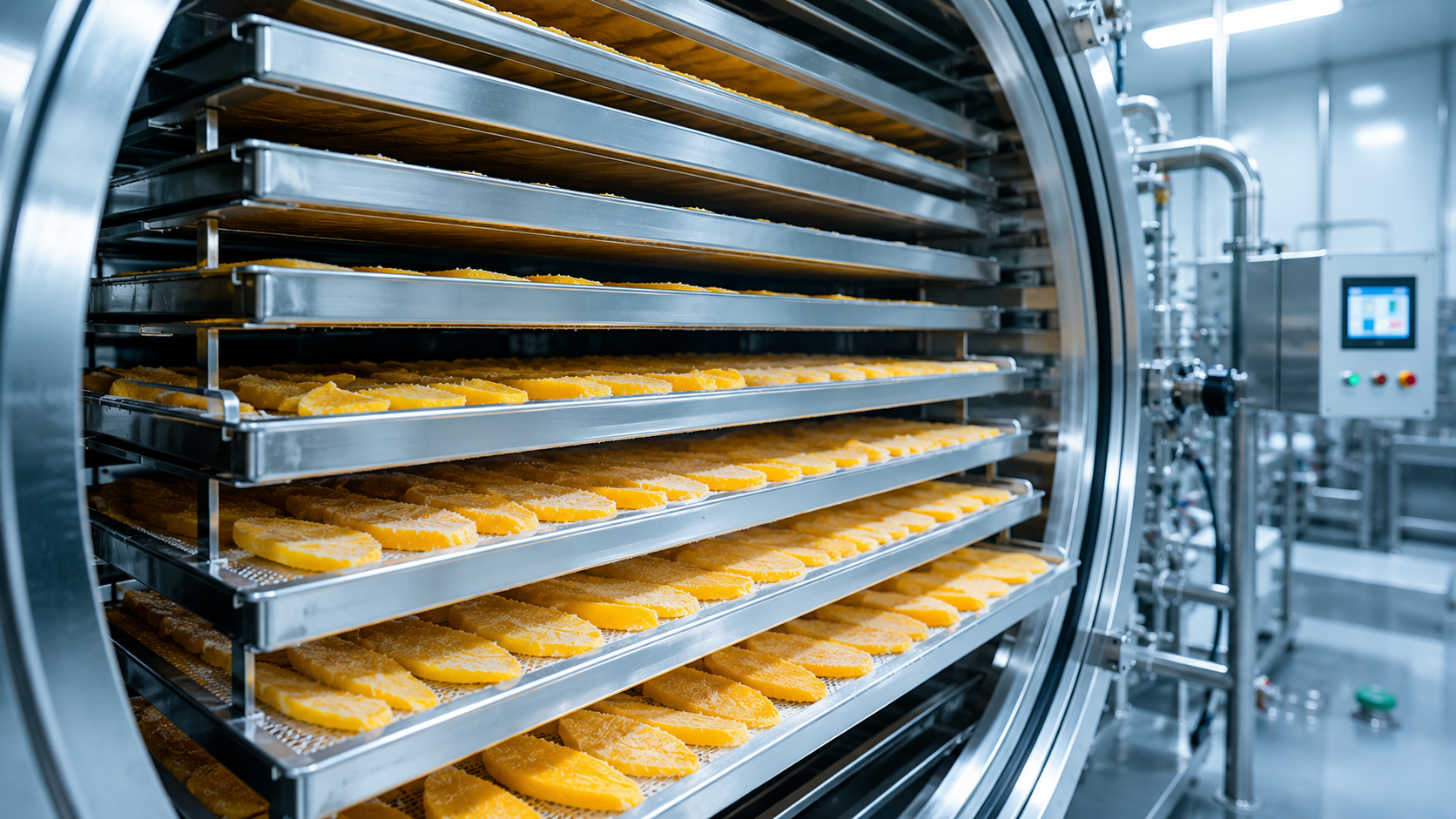
Hana Nguyen is a Vietnamese manufacturer that has invested in advanced freeze‑drying, soft‑drying and cold‑drying technologies to serve B2B customers worldwide. The facility is HACCP, FSSC 22000 and FDA registered, and every batch is accompanied by a full Certificate of Analysis (COA), including moisture, water activity, microbiology and SO₂ testing.
For freeze‑dried applications, Hana Nguyen offers whole‑fruit segments, slices and cubes of mango, durian, strawberry, dragon fruit, jackfruit, longan, lychee, rambutan and mangosteen – all with no added sugar and no preservatives. For soft‑dried and conventionally dried formats, products such as mango, pineapple, jackfruit and banana can be supplied with or without sugar, depending on buyer requirements.
In addition, the company’s cold‑dried powder line (beetroot, carrot, purple yam, purple sweet potato, green banana) provides natural colours and functional ingredients for beverage, bakery, dairy and confectionery applications.
Frequently Asked Questions (B2B)
- Which preservation method is more sustainable?
Freeze drying dramatically reduces food waste by preserving “imperfect” produce that would otherwise be rejected for fresh markets. It also eliminates the need for a cold chain, lowering carbon emissions associated with refrigerated transport and storage. - How should I decide between freeze dried and conventionally dried for my product line?
- Choose freeze dried if you need a clean‑label product with intense colour, instant rehydration and premium shelf appeal.
- Choose conventionally dried if you are working with a tight budget, require a chewy texture, and can accommodate a slightly shorter shelf life.
- Can I mix freeze dried and soft‑dried products in one container?
Yes. Hana Nguyen offers a mixed container service, allowing you to combine different fruits and formats in a single 20ft or 40ft container, each packed in separate, clearly labelled cartons. - What documentation is provided for customs clearance?
Commercial invoice, packing list, Bill of Lading, phytosanitary certificate, COA (moisture, Aw, microbiology, SO₂‑free) and FDA prior notice (for US shipments).