Freeze Dried Dragon Fruit vs Fresh: A Comprehensive Comparison
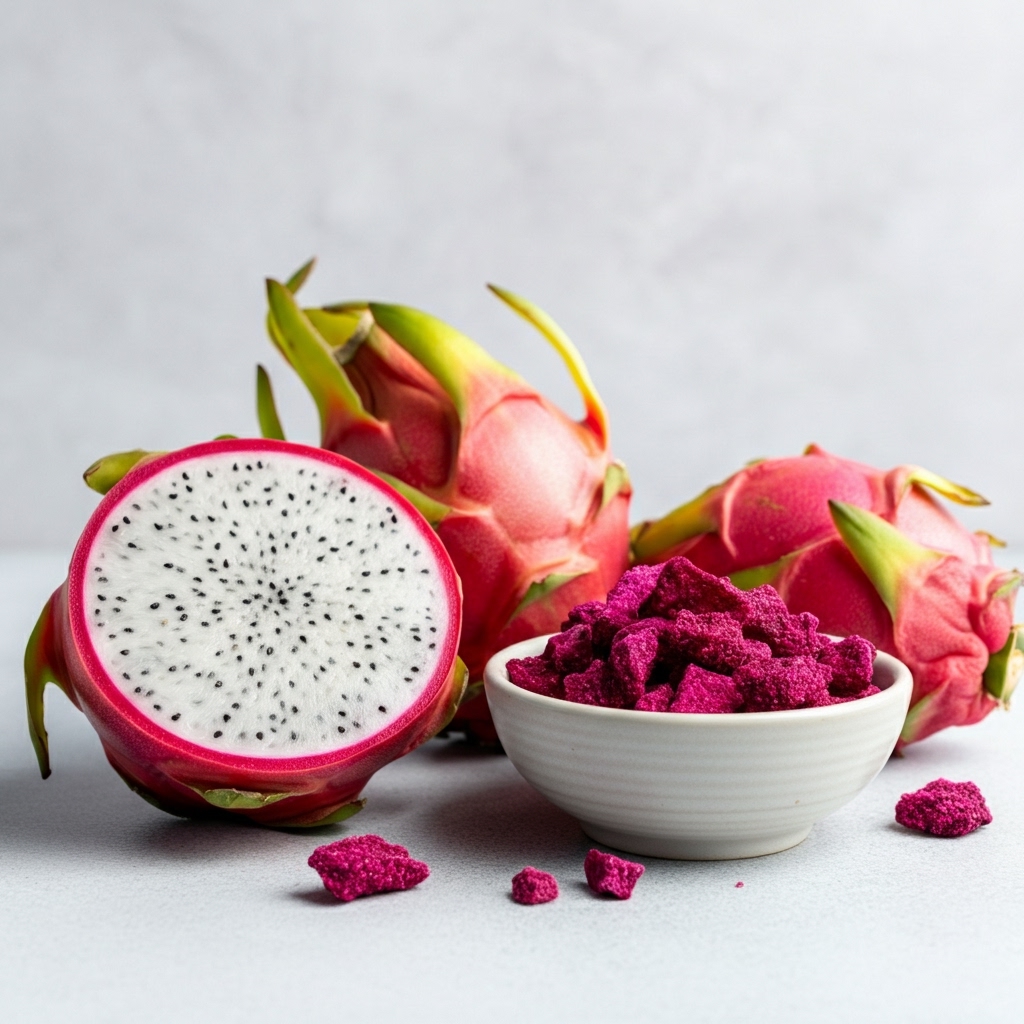
Freeze Dried Dragon Fruit vs Fresh: A Comprehensive Comparison
Dragon fruit, with its vibrant colors and mild, sweet flavor, has soared in popularity, gracing everything from smoothie bowls to exotic desserts. While fresh dragon fruit is a tropical delight, its freeze-dried counterpart offers a compelling alternative. But how do these two forms stack up against each other? This comprehensive comparison delves into their differences and similarities, helping you decide which pitaya best suits your needs.
Whether you’re a health enthusiast, a culinary adventurer, or simply looking for a convenient snack, understanding the nuances between fresh and freeze-dried dragon fruit is key. Let’s explore their nutritional profiles, sensory experiences, practicalities, and more to uncover which form reigns supreme in various contexts.
Nutritional Showdown: Fresh vs. Freeze-Dried Dragon Fruit
When it comes to nutritional content, both fresh and freeze-dried dragon fruit are packed with goodness. Fresh dragon fruit is renowned for its high water content, making it incredibly hydrating. It’s also a good source of Vitamin C, B vitamins, iron, magnesium, and dietary fiber, contributing to optimal gut health and overall well-being. Its vibrant flesh, particularly the red varieties, is rich in antioxidants like betacyanins, which combat free radicals in the body.
The freeze-drying process removes water from the fruit while preserving most of its delicate nutrients, color, and flavor. This means that freeze-dried dragon fruit retains a significant portion of the vitamins, minerals, and antioxidants found in its fresh counterpart. In fact, because the water is removed, the nutrients in freeze-dried dragon fruit become more concentrated by weight, offering a potent dose in a smaller serving. For those interested in a deeper dive into the health advantages, exploring the benefits of freeze-dried dragon fruit reveals its robust nutritional profile.
However, it’s worth noting that while the nutrient density increases, some water-soluble vitamins might experience minor degradation during the processing, though typically less than other drying methods. Overall, both forms serve as a nutritional powerhouse, offering valuable contributions to a balanced diet.
Taste, Texture, and Culinary Versatility
The most noticeable difference between fresh and freeze-dried dragon fruit lies in their taste and texture. Fresh dragon fruit has a subtly sweet, somewhat earthy flavor, often compared to a blend of kiwi and pear, with a juicy, somewhat firm flesh dotted with tiny, edible black seeds. Its refreshing quality makes it perfect for eating raw, adding to fruit salads, or blending into smoothies for a hydrating boost.
Freeze-dried dragon fruit, on the other hand, undergoes a remarkable transformation. The removal of water gives it an incredibly light, crispy, and airy texture that melts in your mouth. Its flavor becomes significantly more concentrated and intensely sweet, often described as a burst of tropical sweetness. This concentrated flavor and unique crunch make it an excellent ingredient for different culinary applications. Think vibrant smoothie bowls, crunchy toppings for yogurt or oatmeal, or even as a standalone, guilt-free snack.
While fresh dragon fruit adds a beautiful aesthetic and juicy bite to dishes, freeze-dried dragon fruit offers a distinct textural contrast and a more potent flavor punch without the added moisture. This versatility allows it to be incorporated into baked goods, trail mixes, or even powdered and used as a natural food coloring or flavor enhancer.
Shelf Life, Storage, and Practical Convenience
One of the strongest advantages of freeze-dried dragon fruit is its extended shelf life and ease of storage. Fresh dragon fruit is highly perishable, typically lasting only a few days to a week in the refrigerator before it starts to soften and spoil. It’s also delicate and can be easily bruised during transport, making it less convenient for long-term planning or travel.
Freeze-dried dragon fruit, when optimally stored in an airtight container in a cool, dry place, can last for months, even years, without losing its quality or nutritional value. This makes it an incredibly convenient option for stocking your pantry, preparing emergency food supplies, or taking on trips where refrigeration isn’t available. The lightweight nature of freeze-dried fruit also contributes to its portability, making it a perfect on-the-go snack.
The advantages of freeze-drying extend beyond just shelf life; it also reduces waste. You can use exactly the amount you need without worrying about the rest of the fruit going bad. This convenience factor often outweighs the initial higher cost for many consumers.
Making Your Choice: Cost and Sustainability
The cost difference between fresh and freeze-dried dragon fruit can be significant. Fresh dragon fruit’s price varies greatly depending on seasonality, region, and availability. It can be quite expensive, especially when out of season or imported. The weight you pay for includes a substantial amount of water, which you don’t necessarily get nutritional value from.
Freeze-dried dragon fruit typically has a higher price per pound than fresh fruit. This is due to the energy-intensive freeze-drying process and the fact that a large quantity of fresh fruit is required to produce a smaller amount of freeze-dried product. However, when considering nutrient density and shelf life, the value proposition changes. You’re paying for concentrated nutrition and unparalleled convenience.
From a sustainability perspective, both forms have their considerations. Fresh dragon fruit, if sourced locally and seasonally, can have a lower carbon footprint. However, if it’s imported from far-off tropical regions, its environmental impact increases due to transportation. Freeze-dried fruit, while requiring energy for processing, can reduce food waste due to its long shelf life and can be transported more efficiently due to its lighter weight. Ultimately, the “better” choice often depends on your specific needs, budget, and priorities.
In conclusion, both fresh and freeze-dried dragon fruit offer unique benefits. Fresh provides hydration and a classic juicy experience, while freeze-dried delivers concentrated flavor, crispy texture, and unmatched convenience. Understanding these distinctions allows you to make an informed decision and enjoy this exotic fruit in the form that best suits your lifestyle.