Freeze Dried vs Dried Dragon Fruit: A Comprehensive Comparison
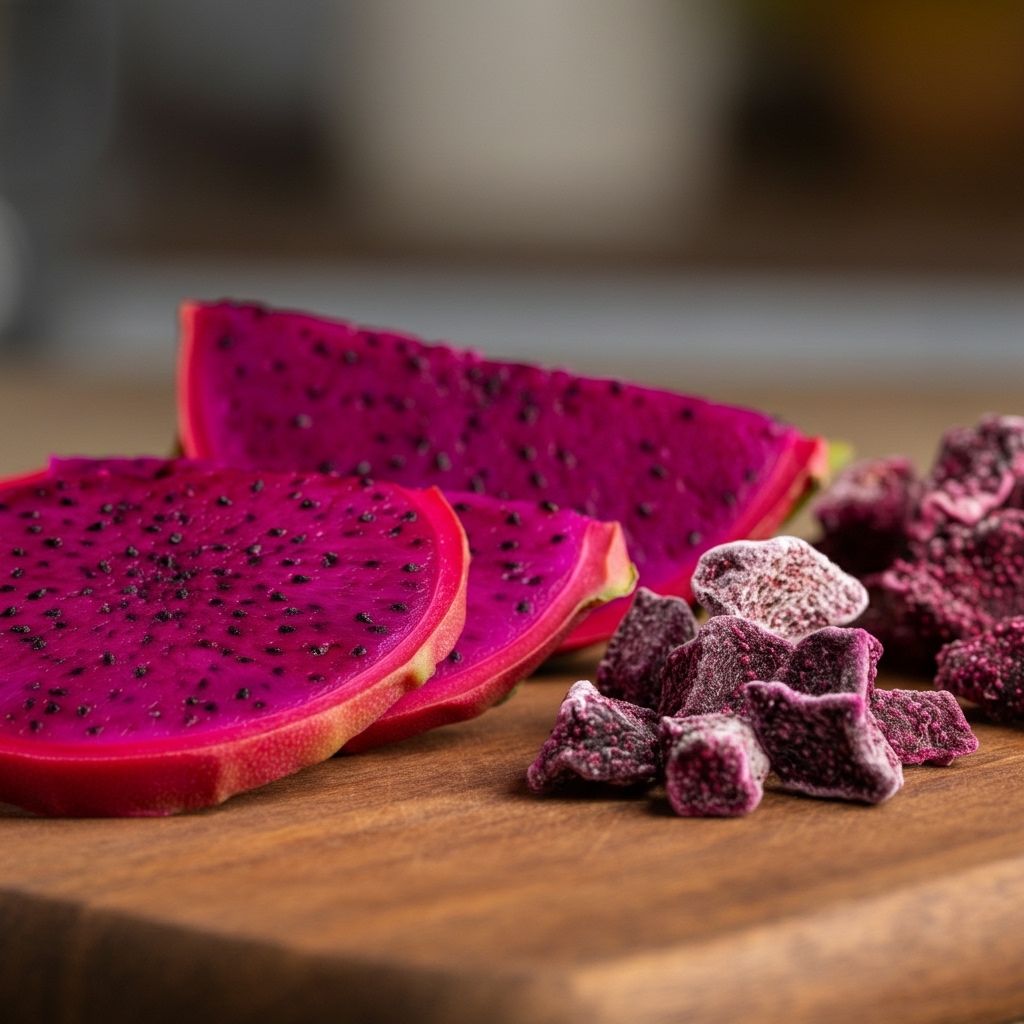
Freeze Dried vs Dried Dragon Fruit: A Comprehensive Comparison
Understanding Dragon Fruit Preservation: An Introduction
Dragon fruit, with its vibrant color and subtly sweet flavor, has become a global sensation. This exotic fruit is not only delicious but also packed with essential nutrients, making it a popular choice for healthy snacking and culinary creations. However, fresh dragon fruit has a limited shelf life, leading to various preservation methods. The two most common techniques are freeze-drying and traditional drying, both aiming to extend its usability while retaining its desirable qualities.
While both methods involve removing water from the fruit, the processes are fundamentally different, leading to distinct outcomes in terms of nutritional value, texture, flavor, and application. Understanding these differences is crucial for consumers looking to make informed choices based on their specific needs and preferences. This comparison will delve into the intricacies of each method, highlighting their unique benefits and characteristics.
Freeze-Dried Dragon Fruit: Process, Advantages, and Uses
Freeze-drying, also known as lyophilization, is a sophisticated preservation technique that involves freezing the dragon fruit and then placing it in a vacuum chamber. In this chamber, the ice crystals sublimate directly into water vapor, bypassing the liquid phase. This gentle process removes up to 98% of the fruit’s water content while largely preserving its original structure, color, and, most importantly, its nutritional integrity.
The primary advantages of freeze-dried dragon fruit include its superior nutritional retention, vibrant color, and an incredibly light, crispy texture that melts in your mouth. This method helps maintain sensitive vitamins, minerals, and antioxidants that might be degraded by heat in other drying processes. The result is a product that closely resembles fresh dragon fruit in terms of its beneficial compounds. To learn more about the extensive benefits of freeze-dried dragon fruit, explore our dedicated article.
Freeze-dried dragon fruit is incredibly versatile. It’s perfect for:
- Snacking: Enjoyed straight out of the bag as a healthy, crunchy treat.
- Breakfast Toppings: Sprinkled over oatmeal, yogurt, or cereals.
- Baking: Incorporated into muffins, cakes, or granola bars.
- Smoothies: Adds a burst of flavor and nutrients without diluting the consistency.
Its light weight and long shelf life also make it an excellent option for camping, hiking, and emergency food supplies.
Traditional Dried Dragon Fruit: Methods, Characteristics, and Applications
Traditional drying methods for dragon fruit typically involve using heat, either through sun-drying, oven-drying, or commercial dehydrators. These processes aim to remove moisture by evaporating water, resulting in a product that is significantly reduced in size and often more pliable or chewy than its freeze-dried counterpart. While effective in extending shelf life, these methods can sometimes lead to changes in the fruit’s texture, color, and nutrient profile due to exposure to heat and air.
The characteristics of traditional dried dragon fruit are distinct. It often has a chewier, more concentrated flavor, and a denser texture. While some nutrients, particularly fiber and certain minerals, remain well-preserved, heat-sensitive vitamins (like Vitamin C) and antioxidants may be reduced compared to freeze-dried versions. The color might also darken, and the appearance can be less vibrant than the fresh or freeze-dried form.
Traditionally dried dragon fruit is commonly used in:
- Trail Mixes: Its chewy texture makes it a great addition to nut and seed blends.
- Baked Goods: Can be rehydrated and used in breads, cakes, or energy bars.
- Snacking: A convenient, chewy snack that offers a concentrated burst of flavor.
- Cooking: Can be added to savory dishes or desserts for a unique fruity note.
It’s a popular choice for those who prefer a more robust, chewy fruit snack.
Key Differences: Nutrition, Texture, Flavor, and Shelf Life
When comparing freeze-dried and traditional dried dragon fruit, several key distinctions emerge, influencing consumer preference and intended use:
- Nutritional Value: Freeze-drying excels in retaining the original nutrient profile. The absence of high heat preserves more heat-sensitive vitamins (like Vitamin C) and delicate antioxidants. Traditional drying, while still healthy, may see a greater reduction in these specific compounds due to heat exposure. For those prioritizing the nutritional powerhouse of freeze-dried dragon fruit, this method is often superior.
- Texture: This is perhaps the most noticeable difference. Freeze-dried dragon fruit is light, airy, and crispy, dissolving quickly in the mouth. Traditional dried dragon fruit, conversely, is chewy, dense, and often leathery, similar to raisins.
- Flavor: Freeze-dried fruit tends to have a flavor profile very close to the fresh fruit, maintaining its subtle sweetness and aroma. Traditional dried fruit often has a more concentrated, sometimes slightly caramelized flavor, which can be more intense than its fresh counterpart.
- Appearance: Freeze-dried dragon fruit retains its vibrant, almost natural color and shape. Traditional dried fruit often shrinks considerably and may darken in color.
- Shelf Life: Both methods offer extended shelf life compared to fresh fruit. However, freeze-dried products, with their extremely low moisture content, typically boast a longer shelf life (often 20-30 years when properly stored) than traditionally dried fruits (1-5 years), which still retain a small percentage of moisture.
Making Your Choice: Freeze-Dried or Dried Dragon Fruit?
The choice between freeze-dried and traditional dried dragon fruit ultimately depends on your specific needs, preferences, and how you intend to use the product. If your priority is retaining the maximum amount of nutrients, a texture akin to fresh fruit, and a vibrant appearance, then freeze-dried dragon fruit is likely your best bet. Its light, crispy nature makes it an excellent snack, smoothie booster, or cereal topping, perfectly preserving the delicate essence of the fruit.
On the other hand, if you prefer a chewier texture, a more concentrated and robust flavor, and are looking for a dense snack or an ingredient for trail mixes and baking where rehydration is often involved, traditional dried dragon fruit may be more suitable. Both offer distinct advantages and bring the unique taste and health benefits of dragon fruit into your diet in convenient, shelf-stable forms. Consider what aspects are most important to you – whether it’s the crispness and nutritional fidelity of freeze-dried or the chewy intensity of traditionally dried – to make the perfect choice for your culinary adventures.