Mastering Soft Dried Fruits Storage: A Comprehensive Guide
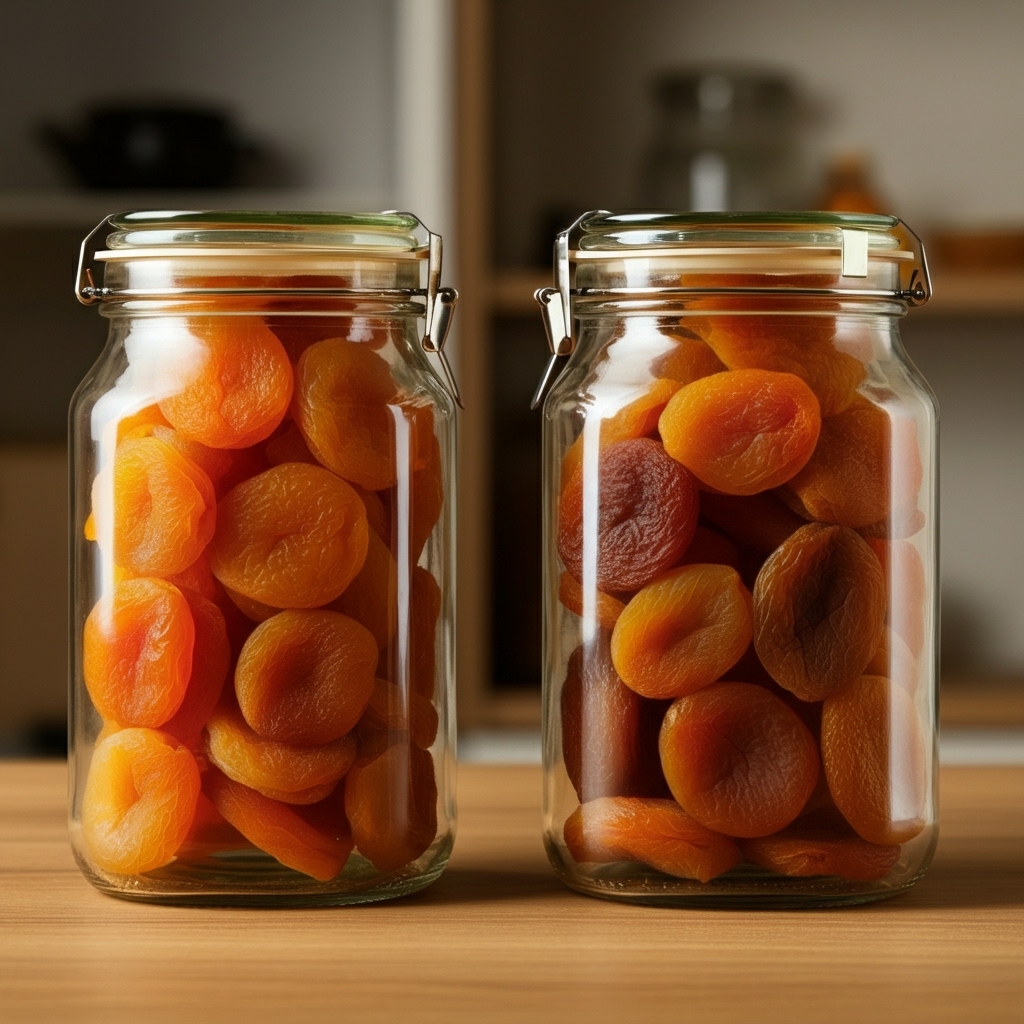
The key to storing soft dried fruits effectively is utilizing airtight containers and maintaining a cool, dark environment. This approach is crucial for preserving their delightful taste and chewy texture. This comprehensive guide will equip you with expert strategies to extend the shelf life of your favorite healthy snacks, covering everything from ideal storage conditions to common pitfalls, ensuring they remain fresh and enjoyable for as long as possible.
Why Proper Storage Matters for Soft Dried Fruits
Soft dried fruits, while naturally preserved, are still susceptible to environmental factors that can degrade their quality. Unlike fresh produce, they have a significantly reduced water content, which inhibits microbial growth. However, they are not immune to spoilage if not stored correctly. Understanding why proper storage is so critical can help you appreciate the techniques involved in keeping your dried fruit at its best.
Improper storage can lead to a host of problems, from a loss of nutritional value to an unpleasant change in texture and flavor. The goal of effective storing soft dried fruits is not just to prevent spoilage, but to maintain the premium quality and sensory experience you expect from a healthy snack. This careful attention ensures that every bite is as delicious as the first.
Moreover, neglecting proper storage can lead to food waste, which is both uneconomical and unsustainable. By implementing sound storage practices, you can maximize the longevity of your investment and always have a nutritious treat on hand when you crave it.
Understanding Spoilage Factors
Several factors contribute to the degradation of soft dried fruits. Exposure to air, for instance, leads to oxidation, causing the fruits to darken, lose flavor, and become tough. Moisture is another significant enemy; even a small amount can encourage mold growth or fermentation, rendering the fruit inedible. Heat and light also play a role, accelerating chemical reactions that can diminish flavor and nutrient content.
Pests, such as pantry moths or weevils, are also attracted to dried fruits. An effective storage system creates a barrier against these unwanted intruders, protecting your food from contamination. Recognizing these spoilage factors is the first step in developing a robust storage strategy.
The Impact on Flavor and Texture
The delightful chewiness and intense flavor of soft dried fruits are their most appealing characteristics. Poor storage conditions can severely compromise these attributes. When exposed to air, fruits can dry out further, becoming hard and brittle. Conversely, too much humidity can make them sticky or even encourage mold, resulting in an unappetizing texture and off-flavors.
Heat can cause the natural sugars to caramelize excessively, leading to a burnt taste, or it can degrade delicate fruity notes. Light exposure can also bleach colors and diminish aromatic compounds. Preserving dried fruit quality means safeguarding these sensory aspects, ensuring that each piece remains a truly enjoyable premium healthy snack choice.
Essential Storage Methods for Optimal Freshness
To truly extend the shelf life and maintain the peak quality of your soft dried fruits, implementing effective storage methods is paramount. These methods focus on controlling the environmental factors that contribute to spoilage, ensuring your snacks remain fresh and delicious for an extended period. Adhering to these best practices will help you enjoy every last piece.
The foundation of good storage lies in a multi-pronged approach that tackles air exposure, temperature, light, and humidity. By addressing each of these elements, you create an optimal environment for your dried fruits, locking in their natural goodness and preventing premature deterioration. This proactive approach is key to your favorite soft dried fruits lasting longer.
Airtight Containers: Your First Line of Defense
Airtight containers are non-negotiable for `dried fruit storage tips`. They prevent oxygen from reaching the fruit, which slows down oxidation and keeps pests out. Glass jars with rubber-sealed lids, food-grade plastic containers with tight-fitting seals, or even vacuum-sealed bags are excellent choices. Ensure the containers are clean, dry, and free from any lingering odors before use.
For best results, fill containers as completely as possible to minimize the amount of air trapped inside. If you’re using larger containers, consider portioning your dried fruits into smaller bags within the main container, especially if you don’t consume them quickly. This reduces repeated exposure to air for the entire batch.
Temperature and Light: The Silent Killers
Store your soft dried fruits in a cool, dark place. A pantry, cupboard, or basement away from direct sunlight and heat sources (like ovens or radiators) is ideal. The ideal temperature range is typically between 50°F and 60°F (10°C and 15°C). Fluctuations in temperature can cause condensation, leading to moisture issues, so a stable environment is preferred.
Light, particularly direct sunlight, can degrade vitamins and natural colors in the fruit, as well as increase the temperature. Opt for opaque containers or store clear containers inside a dark cupboard to shield the fruit from light exposure. This attention to detail is crucial for `preserving dried fruit quality` over time.
Refrigeration and Freezing: When to Go Cold
While not strictly necessary for short-term storage, refrigeration can extend the shelf life of soft dried fruits significantly, especially in warm or humid climates. Place dried fruits in airtight containers in the refrigerator, where they can last for several months. Be aware that refrigeration can sometimes slightly alter the texture, making them a bit firmer.
For `best way to store dried fruit long term` (up to a year or more), freezing is an excellent option. Again, use airtight, freezer-safe bags or containers. Freezing maintains their freshness and nutritional value. When ready to use, simply thaw them at room temperature or in the refrigerator. This method is particularly effective for larger quantities or fruits you want to keep for extended periods.
Common Mistakes to Avoid When Storing Dried Fruits
Even with the best intentions, certain common errors can undermine your efforts to keep soft dried fruits fresh. Being aware of these pitfalls allows you to proactively avoid them, ensuring your investment in healthy snacks doesn’t go to waste. A little vigilance goes a long way in maintaining optimal quality.
Many people assume that because dried fruits are shelf-stable, they don’t require much attention. This misconception often leads to practices that inadvertently shorten their `shelf life of dried fruit` and diminish their appeal. Understanding and correcting these mistakes is vital for proper `how to keep dried fruit fresh`.
Overlooking Moisture and Humidity
One of the most frequent mistakes is underestimating the impact of moisture and humidity. Even slight exposure to moisture can create an environment conducive to mold and spoilage. Avoid storing dried fruits in areas with high humidity, such as near a sink or in an unsealed container in the refrigerator (where condensation can form).
Always ensure your hands and any utensils used to handle the fruit are completely dry. If you notice any condensation inside your container, it’s a sign that the environment is too humid or there’s a temperature fluctuation, and you should address it immediately by moving the `container for dried fruit` to a drier spot or re-packaging it.
Mixing Different Fruit Types
While it might seem convenient, mixing different types of soft dried fruits in the same container is often a bad idea. Different fruits can have varying moisture levels, aromas, and even potential spoilage rates. Mixing them can lead to moisture transfer from a wetter fruit to a drier one, potentially accelerating spoilage for the entire batch.
Additionally, strong-smelling fruits can impart their flavors to milder ones, altering their natural taste. It’s best to store each type of dried fruit separately to preserve their individual characteristics and ensure uniform freshness. This simple practice can significantly enhance your `dried fruit storage tips` effectiveness.
Improper Labeling and Rotation
A common oversight, particularly when buying in bulk or freezing, is failing to label and rotate your dried fruit stock. Without clear labels indicating the type of fruit and the date of storage, it’s easy to forget how long something has been stored, leading to confusion and potential waste.
Implement a “first-in, first-out” (FIFO) system: always use older stock before opening newer packages. This helps prevent fruits from sitting in storage for too long and exceeding their optimal freshness period. Proper labeling and rotation are simple yet powerful habits that contribute significantly to maintaining your dried fruit’s quality and extending its `shelf life of dried fruit`.
Frequently Asked Questions
How long do soft dried fruits last? Soft dried fruits can last anywhere from 6-12 months at room temperature in an airtight container, and up to 1-2 years when refrigerated or frozen.
Should soft dried fruits be refrigerated? While not always required, refrigerating soft dried fruits can significantly extend their shelf life, especially in warm or humid climates. Always use an airtight container.
Can I freeze soft dried fruits? Yes, freezing is an excellent method for long-term storage, allowing them to last for over a year. Ensure they are in airtight, freezer-safe containers or bags to prevent freezer burn.
What are the best containers for storing dried fruits? Airtight containers like glass jars with sealed lids, food-grade plastic containers with tight seals, or vacuum-sealed bags are ideal for preventing air exposure and moisture.
How can I tell if my dried fruit has gone bad? Look for signs of mold, an off-odor, extreme hardness or stickiness, or discoloration that is not typical of the fruit. If in doubt, it’s best to discard it.