Mastering the Soft Texture Dried Fruits Process for Premium Quality
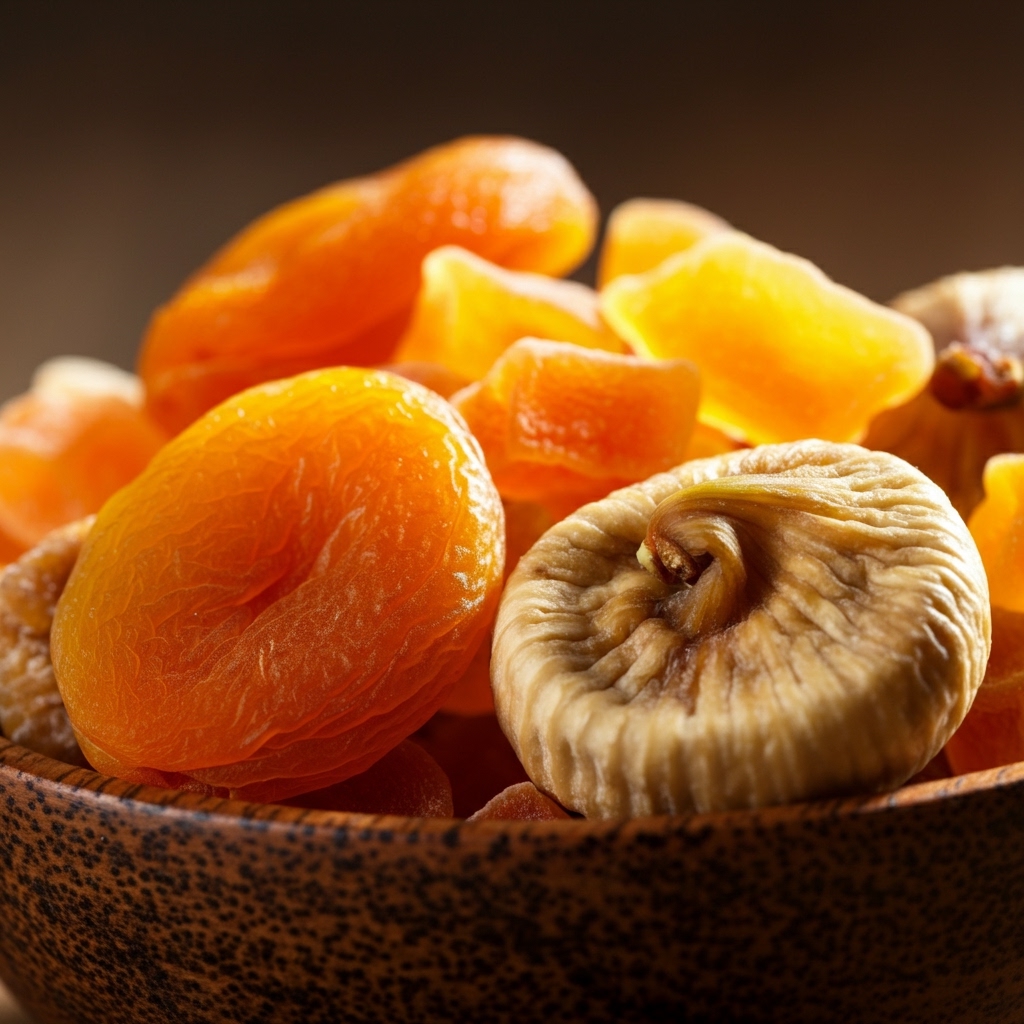
Ever wondered why some dried fruits are delightfully plump and chewy, while others are tough and leathery? It’s all in the process. The process for soft-texture dried fruits involves careful selection, pre-treatment, and controlled dehydration to retain moisture and pliability, distinguishing them from brittle, fully dehydrated counterparts. Achieving this ideal chewiness is a delicate balance of science and art. This article will demystify the sophisticated steps involved in creating those irresistibly soft dried fruits you love, exploring everything from initial fruit selection and specialized pre-treatment to advanced drying methodologies and crucial quality checks that ensure every bite is a tender, flavorful experience.
Understanding the Essence of Soft Texture
The appeal of soft texture dried fruits lies in their pleasant chewiness and concentrated flavor, a stark contrast to the brittle nature of fully dehydrated varieties. This desirable texture isn’t accidental; it’s the result of a meticulously controlled soft texture dried fruits process designed to preserve a higher level of moisture content compared to traditional drying methods. The goal is to inhibit microbial growth and enzyme activity while maintaining the fruit’s natural sugars and acids in a pliable state, offering a more indulgent snacking experience.
Crucially, the success of achieving this texture depends on a deep understanding of fruit cellular structure and water activity. By carefully managing the drying conditions, manufacturers can prevent the cell walls from collapsing completely, which would otherwise lead to a hard, leathery product. This delicate balance ensures that the fruit remains succulent, bursting with natural sweetness and a satisfying chewiness that makes it a premium healthy snack choice. This thoughtful approach sets the stage for a product that is not only delicious but also retains a significant portion of its inherent goodness.
Why Softness Matters in Dried Fruits
Softness directly impacts the sensory experience of dried fruit. A soft, chewy texture makes the fruit more palatable and enjoyable, encouraging consumption as a healthy alternative to processed snacks. It also signifies a higher quality product, often associated with superior processing techniques and better preservation of natural attributes. For consumers, the difference between a tough, fibrous piece and a plump, tender one can be the deciding factor in their purchase, highlighting the importance of the quality of dried fruits.
Furthermore, the ability to retain softness often correlates with better nutrient preservation. Harsh drying methods can degrade vitamins and antioxidants, but gentler processes designed for soft textures tend to be less aggressive, helping to maintain the fruit’s nutritional profile. This is particularly relevant for those seeking nutritious fruit products that offer both taste and health benefits in every bite.
The Core Stages of Soft Texture Dried Fruit Production
Producing soft-texture dried fruits is a multi-step journey, beginning long before the actual drying takes place. Each stage is critical to the final product’s quality, texture, and flavor. It all starts with the careful selection of ripe, high-quality fruits, as the initial state of the fruit significantly influences the outcome. Only fruits at their peak ripeness are chosen to ensure maximum flavor and ideal cellular structure for processing.
Following selection, a series of fruit pre-treatment steps are implemented. These can include washing, sorting, pitting, peeling, and slicing. Some fruits may undergo blanching or osmotic dehydration, where they are soaked in a sugar solution. This process helps to draw out some of the water while infusing the fruit with sugar, contributing to both preservation and a tender texture. The precise combination of these steps is tailored to each fruit type, optimizing it for the subsequent drying phases.
Initial Fruit Selection and Preparation
The journey to perfectly soft dried fruits begins with an uncompromising commitment to fruit quality. Only the freshest, ripest fruits are selected, free from blemishes or signs of spoilage. This meticulous selection ensures that the fruits retain their natural sugars, vibrant colors, and robust flavors throughout the drying process. After selection, fruits undergo thorough cleaning to remove any dirt or contaminants. Depending on the fruit, they are then carefully prepared – perhaps sliced into uniform pieces or pitted – to facilitate even drying and consistent texture. These initial steps are fundamental to the overall success of the soft texture dried fruits process.
Controlled Dehydration Techniques
Once prepared, fruits enter the dehydration phase, where moisture content control is paramount. Unlike traditional sun-drying or harsh industrial methods, soft-texture drying employs more sophisticated techniques. These often include low-temperature drying in specialized dehydrators, which slowly removes water while minimizing damage to the fruit’s cellular structure. Vacuum drying is another method, reducing the boiling point of water and allowing for dehydration at even lower temperatures, preserving more of the fruit’s delicate qualities. The aim is to achieve a specific water activity level that prevents spoilage while maintaining the desired pliability. This careful control ensures the final product is both safe and deliciously soft.
Advanced Techniques for Optimal Softness
To truly achieve that sought-after soft and chewy texture, manufacturers often employ advanced techniques that go beyond basic dehydration. These methods are designed to fine-tune the fruit’s internal structure and moisture balance, resulting in a superior product. One such technique is osmotic dehydration, where fruits are immersed in a hypertonic solution (typically a sugar syrup). This process draws water out of the fruit cells while allowing some sugar to permeate, enhancing sweetness and contributing to a softer mouthfeel.
Another innovative approach involves pulsed electric fields (PEF) or high-pressure processing (HPP) prior to drying. These technologies can gently permeabilize cell membranes, making subsequent drying more efficient and less damaging to the fruit’s delicate tissues. The result is a fruit that dries faster while retaining more of its natural characteristics and achieving an enhanced texture that is both tender and juicy. These methods exemplify the scientific precision involved in creating truly premium soft dried fruits.
Osmotic Dehydration and Its Role
Osmotic dehydration is a cornerstone of the soft texture dried fruits process. By partially dewatering the fruit in a sugar or salt solution, it not only reduces the overall drying time but also helps to stabilize the fruit’s color and flavor. The sugar absorbed acts as a humectant, helping the fruit retain moisture and preventing it from becoming overly dry and brittle during the final drying stages. This pre-treatment significantly contributes to the fruit’s final pliability and sweetness, making it a key factor in producing delectable soft dried fruit snacks.
Innovative Drying Technologies
Beyond osmotic pre-treatment, the drying phase itself benefits from state-of-the-art technologies. Convective drying with precise temperature and humidity controls is common, but newer methods like infrared drying or microwave-vacuum drying offer even greater precision. These technologies allow for faster water removal with minimal heat exposure, safeguarding the fruit’s nutritional value and ensuring uniform softness. The continuous innovation in preservation methods is what enables the consistent production of high-quality, soft-textured dried fruits that meet consumer expectations for both taste and health.
Quality Control and Packaging for Lasting Freshness
The final steps in the soft texture dried fruits process are just as critical as the initial ones. Rigorous quality control measures are implemented at every stage to ensure that the product meets the highest standards for safety, texture, and flavor. This includes monitoring moisture content, color, and microbiological safety. Each batch undergoes thorough testing to confirm it falls within acceptable parameters, guaranteeing a consistently superior product. This commitment to quality is what distinguishes a truly premium offering in the market.
Once dried to perfection, the fruits are ready for packaging. The choice of packaging plays a vital role in maintaining the soft texture and extending shelf life. Hermetically sealed, oxygen-barrier packaging is often used to prevent rehydration from atmospheric moisture and to protect against oxidation, which can degrade flavor and nutrients. This meticulous attention to detail ensures that when you open a pack of soft dried fruits, they are as fresh, flavorful, and delightfully soft as the day they were processed.
Ensuring Consistent Texture and Safety
Consistency is key in the soft texture dried fruits market. Advanced sensors and analytics are often employed to monitor the drying process in real-time, allowing for immediate adjustments to temperature and humidity. This precision helps achieve uniform moisture content control across entire batches, preventing some fruits from becoming too dry while others remain too moist. Beyond texture, food safety is paramount. Regular microbiological testing ensures the absence of harmful pathogens, making the product safe for consumption. These stringent quality checks are non-negotiable for any reputable producer.
Packaging Innovations for Extended Shelf Life
Modern packaging technology has revolutionized how soft dried fruits are presented and preserved. Beyond simple airtight containers, innovations include modified atmosphere packaging (MAP) where the air inside the package is replaced with a specific gas mixture to inhibit spoilage, and active packaging that can absorb oxygen or moisture within the pack. These advancements are crucial for maintaining the delicate balance of moisture that defines soft dried fruits, ensuring they remain fresh and retain their inviting texture from the factory to your pantry. These sophisticated preservation methods contribute significantly to the longevity and appeal of the product.
FAQ
What makes soft-texture dried fruits different from regular dried fruits? Soft-texture dried fruits retain a higher moisture content, resulting in a chewier, plumper texture compared to the firmer, sometimes brittle, texture of conventionally dried fruits.
Is sugar added during the soft texture dried fruits process? Often, yes. Techniques like osmotic dehydration involve soaking fruits in a sugar solution, which helps draw out water and contributes to the soft texture and sweetness. However, some methods focus on natural sugars only.
How is the moisture content precisely controlled? Advanced drying technologies like low-temperature vacuum drying, combined with real-time sensor monitoring, allow for precise control of temperature, humidity, and airflow to achieve specific water activity levels.
Do soft dried fruits have a shorter shelf life due to higher moisture? Not necessarily. While higher moisture *can* reduce shelf life, the controlled drying process, combined with effective pre-treatments (like osmotic dehydration) and advanced packaging, ensures a stable and extended shelf life comparable to other dried fruit varieties.
Are soft texture dried fruits healthier than other snacks? When processed correctly, soft texture dried fruits retain many of the nutrients of fresh fruit, offering fiber, vitamins, and minerals. They are generally considered a healthier snack alternative to highly processed sugary options, especially when no excessive sugars or harmful additives are used in the soft texture dried fruits process.