Vietnam’s Dried Fruit Export to the EU – Barriers, Market Opportunities, and How Hana Nguyen Stands Out
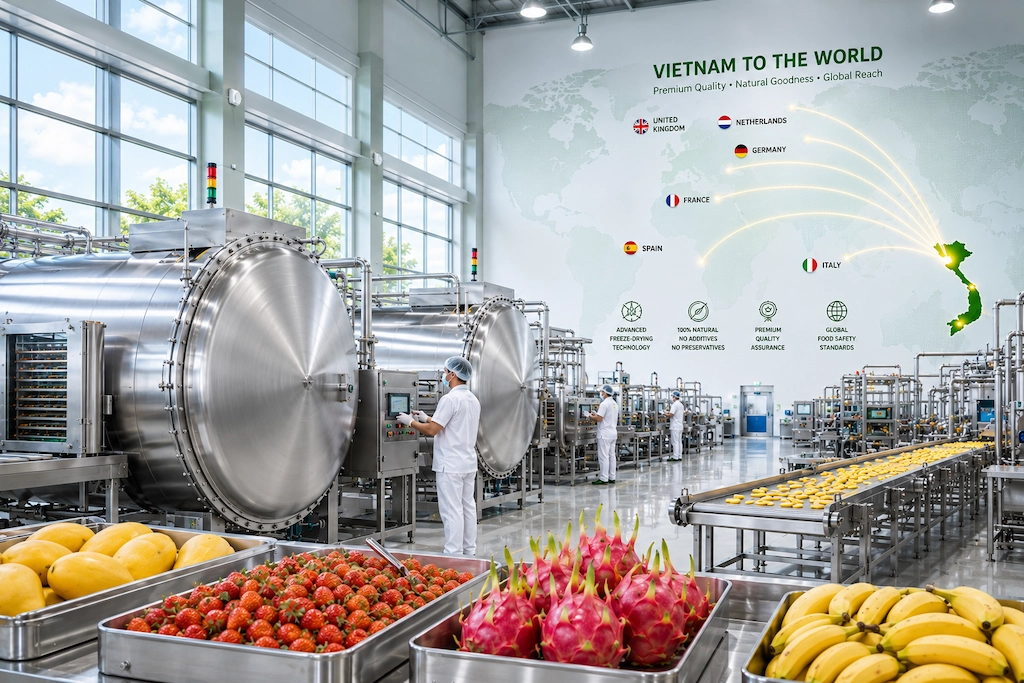
Vietnam’s Dried Fruit Export to the EU – Barriers, Market Opportunities, and How Hana Nguyen Stands Out
The EU market for freeze‑dried and soft‑dried fruits is projected to exceed $11 billion. Vietnam’s exports are rising fast, yet strict regulations on SO₂, pesticides, and deforestation create real hurdles. Hana Nguyen has turned these barriers into competitive strengths.
The EU Market – A Billion‑Dollar Opportunity for Freeze‑Dried and Soft‑Dried Fruits
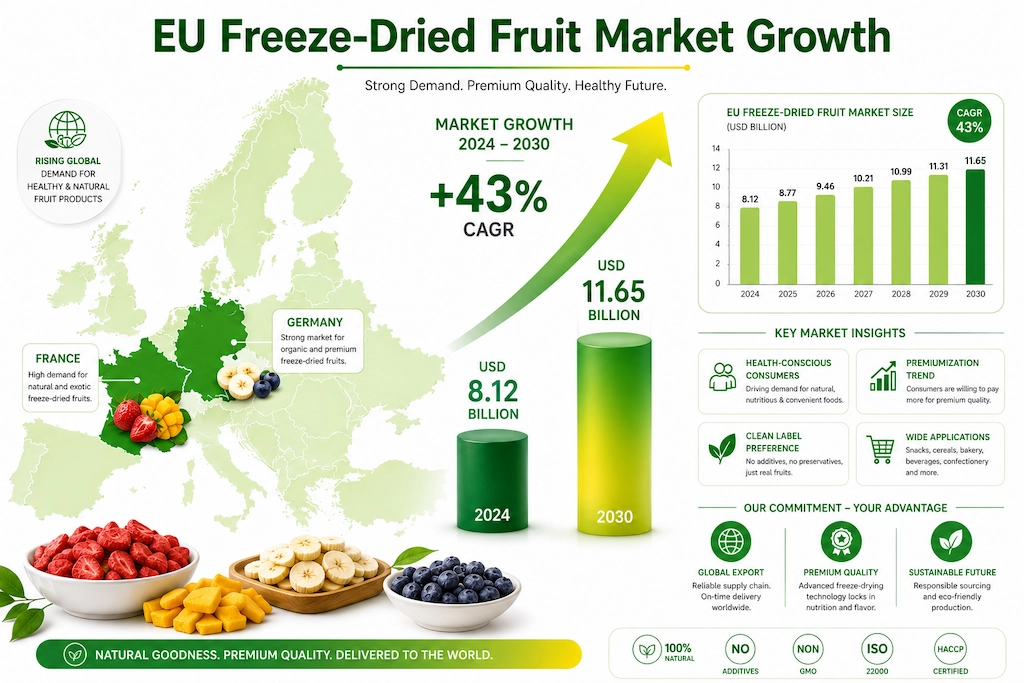
Europe is one of the world’s largest and most sophisticated markets for dried fruit products. The Europe freeze‑dried fruits and vegetables market was valued at USD 8.12 billion in 2025 and is projected to reach USD 11.65 billion by 2031, growing at a CAGR of 6.18%. Within this, freeze‑dried fruit products alone accounted for approximately USD 279 million in 2025, with a projected CAGR of 6.70% towards USD 534 million by 2035.
This growth is not accidental. European consumers are increasingly prioritising clean‑label, minimally processed foods that offer both convenience and nutritional value. Freeze‑dried fruits, which retain over 95% of their original nutrients and require no preservatives or added sugar, align perfectly with this trend. Simultaneously, the global freeze‑dried fruits and vegetables market is expanding from USD 27.11 billion in 2025 to an estimated USD 48.28 billion by 2032.
Vietnam’s Rising Footprint in the EU Dried Fruit Market
Vietnam has emerged as a fast‑growing supplier of processed fruits to Europe. In the first 10 months of 2025, fruit and vegetable exports from Vietnam to EVFTA member states reached USD 402.76 million, a year‑on‑year increase of 57.8%. The Netherlands remains the largest gateway market, accounting for USD 135.71 million during the same period.
This surge is largely attributed to the EU‑Vietnam Free Trade Agreement (EVFTA). Export turnover in the first half of 2025 alone hit USD 233.2 million, up 44.1% year‑on‑year. Fruits such as mango, dragon fruit, and longan have recorded particularly strong growth.
However, behind these promising numbers lies a complex web of regulatory barriers. The EU imposes some of the most stringent food safety, environmental, and traceability standards in the world. For many Vietnamese dried fruit exporters, these requirements remain a significant challenge. For Hana Nguyen, they have become a competitive advantage.
EU Regulatory Barriers – A Detailed Breakdown
To successfully export soft‑dried or freeze‑dried fruits to Europe, suppliers must navigate four critical regulatory pillars.
- Pesticide Residue Limits (MRLs) – The Strictest in the World
The EU maintains a positive list of approved pesticides and sets maximum residue levels (MRLs) for each. In early 2026, the EU fundamentally changed its approach: moving from a risk‑based to a hazard‑based MRL methodology. For high‑risk active substances – such as carcinogens or endocrine disruptors – the default MRL has been lowered to 0.01 mg/kg, which is effectively a zero‑residue standard. Non‑compliance frequently leads to border rejections; in recent years, the Rapid Alert System for Food and Feed (RASFF) has reported multiple dried mango withdrawals due to excessive or undeclared sulphite content.
- Food Additives – The SO₂ Challenge
Sulphur dioxide (SO₂) is widely used in conventional dried fruits to prevent discoloration and extend shelf life. However, under EU Regulation (EC) No 1333/2008, SO₂ is classified as an allergen and must be declared if used. Excessive or undeclared SO₂ is consistently among the top reasons for border rejections of dried fruit shipments. Many European retailers and consumers now actively avoid SO₂‑treated products altogether, seeking clean‑label alternatives.
- Microbiological Safety & Contaminants
Dried fruits must comply with EU microbiological criteria, including limits on pathogenic organisms, toxins, and metabolites. Heavy metals (e.g., cadmium at 0.02 mg/kg for tropical fruits), packaging contaminants (Bisphenol A and Phthalates), and foreign bodies are also strictly controlled. Emerging concerns such as Mineral Oil Hydrocarbons (MOSH/MOAH) are under increasing scrutiny, with proposed maximum levels of 2 mg/kg for MOAH in dried mangoes.
- The EU Deforestation Regulation (EUDR) – A New Frontier
The EU Deforestation Regulation (EUDR) represents a paradigm shift in supply chain accountability. From 30 December 2025 for large operators, and 30 June 2026 for smaller enterprises, any agricultural product placed on the EU market must be proven deforestation‑free. This requires full traceability back to the farm plot, including geolocation data. While this poses significant logistical challenges for Vietnam’s fragmented smallholder agriculture, Vietnam has been recognised as one of the most proactive countries in preparing for EUDR compliance, having established an EUDR Action Plan Framework as early as July 2023.
Competitor Landscape – Where Does Vietnam Stand?
Within Southeast Asia, Vietnam competes directly with Thailand, Indonesia, and the Philippines in the freeze‑dried and soft‑dried fruit segments. Thailand has traditionally led in processed fruit exports, but Vietnam is rapidly closing the gap due to three key factors:
- EVFTA tariff advantages – Lower or zero duties on processed fruits into Europe.
- Superior raw material quality – Vietnamese tropical fruits (dragon fruit, mango, durian, longan, rambutan) are widely regarded as having distinct flavour profiles and higher brix levels.
- Lower production costs – Competitive labour and processing costs allow Vietnamese manufacturers to offer attractive FOB pricing.
However, the EU market is not simply about price. European buyers prioritise traceability, certification, and consistent quality over the lowest price point. Vietnamese enterprises face persistent challenges in meeting SPS and TBT standards, including pesticide residue control, phytosanitary compliance, and cold‑chain logistics limitations.
Vietnam’s Export Challenges – Root Causes
Despite strong export growth, several systemic issues continue to hinder Vietnamese dried fruit exporters:
- Fragmented smallholder sourcing – Many processors rely on spot market purchases rather than integrated farming partnerships, making pesticide traceability difficult.
- Inconsistent certification adoption – While some large exporters have achieved HACCP, ISO, or GlobalGAP, many smaller players lack these credentials.
- Cold‑chain gaps – Inland logistics and port‑side cold storage infrastructure remain uneven, affecting product quality.
- Limited EUDR readiness – Smaller exporters struggle to implement plot‑level traceability, geolocation mapping, and deforestation‑free verification.
Hana Nguyen – Transforming Regulatory Barriers into Competitive Advantages
Hana Nguyen was founded in 2018 by a group of overseas‑educated Vietnamese entrepreneurs with a mission to produce premium dried fruits for global markets. From the outset, the company built its production model around three core principles that directly address EU market requirements.
Advantage 1: Zero SO₂, Clean‑Label Production
Unlike many conventional dried fruit processors, Hana Nguyen does not use sulphur dioxide as a preservative. The company’s freeze‑drying and low‑temperature cold‑drying processes rely entirely on physical dehydration to achieve shelf stability. This eliminates the risk of SO₂‑related border rejections and positions its products as clean‑label, meeting the preferences of European retailers and health‑conscious consumers.
Advantage 2: Pesticide Compliance Through Integrated Farming
Hana Nguyen has established direct, long‑term partnerships with farming cooperatives across the Mekong Delta and Central Highlands. This integrated approach allows the company to control input usage, monitor pesticide application, and maintain rigorous MRL compliance before fruit ever reaches the processing line. Every batch is independently lab‑tested for pesticides, heavy metals, and contaminants.
Advantage 3: Full Traceability and EUDR Readiness
Through its farm‑direct sourcing model, Hana Nguyen has built plot‑level traceability for key fruit varieties, including dragon fruit, mango, durian, and longan. This capability places the company well ahead of the EUDR implementation timeline, giving European buyers confidence in supply chain transparency.
Advantage 4: International Certifications – HACCP, FSSC 22000, FDA
Hana Nguyen operates a facility that is HACCP, FSSC 22000, and FDA registered. Every shipment includes a full Certificate of Analysis (COA) covering moisture, water activity, microbiology, and SO₂‑free status – documentation that European importers routinely require.
Advantage 5: Advanced Drying Technologies for Premium Quality
Hana Nguyen has invested in three complementary drying platforms:
- Freeze Drying – Preserves >95% of nutrients, colour, and shape; produces crispy, lightweight, shelf‑stable fruit with a 24‑month lifespan.
- Soft Drying (Cold Drying) – Low‑temperature air drying at 55‑65°C produces chewy, vibrant, naturally coloured fruit without caramelisation or added sugar.
- Cold Dried Powders – Gently dried and finely milled to produce natural food colours and functional ingredients (beetroot, carrot, ube, purple sweet potato, green banana).
These technologies allow Hana Nguyen to produce products that not only meet EU regulatory requirements but exceed buyer expectations for sensory quality.
Advantage 6: Direct Factory – No Brokers, Full Transparency
Hana Nguyen’s B2B export model is based on factory‑direct pricing, transparent FOB quotations, and full supply chain visibility. European importers can request free samples, receive pre‑shipment COAs, and audit the facility directly – building trust through direct engagement.
European Market Segments for Freeze‑Dried and Soft‑Dried Fruits
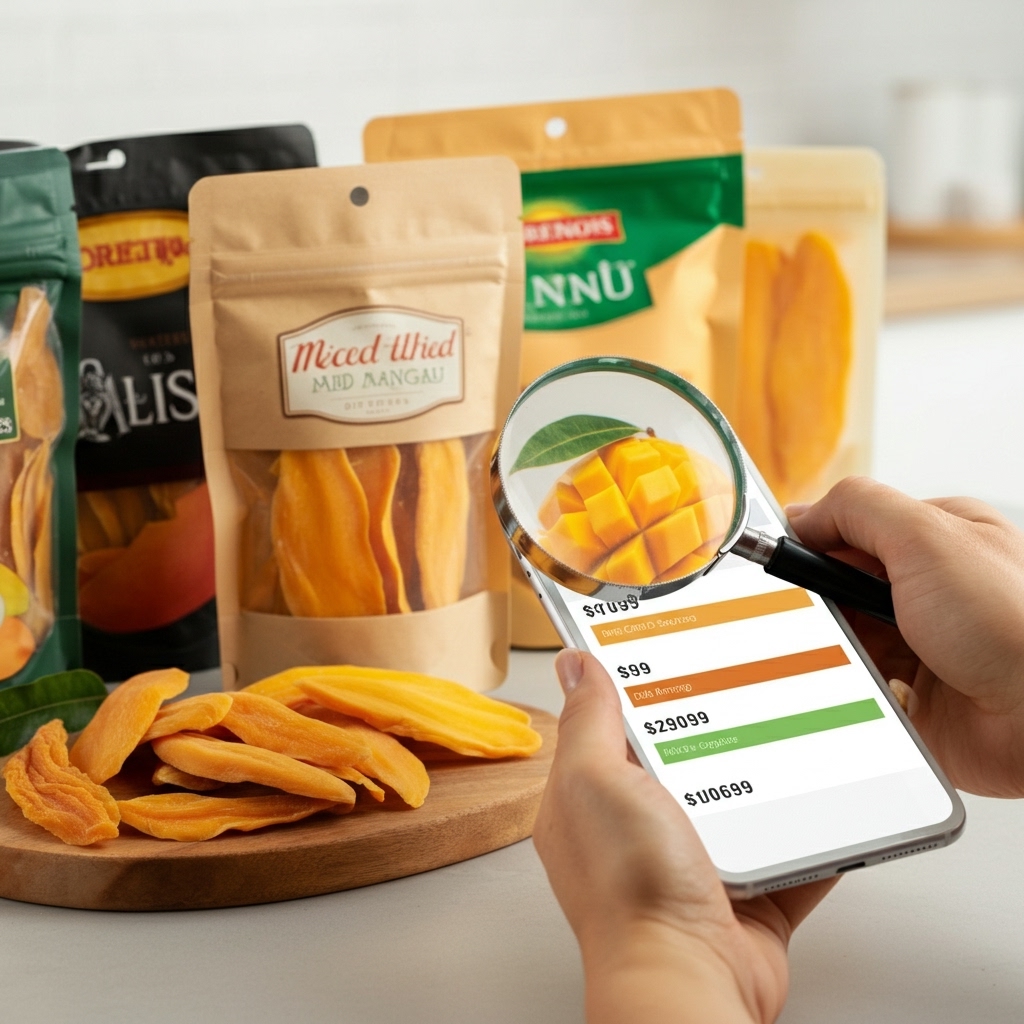
Freeze‑Dried Fruits
- Premium ready‑to‑eat snacks (pouches, tins, gift boxes)
- Breakfast cereal and granola inclusions
- Chocolate and confectionery pieces
- Smoothie bowl toppings and beverage powders
- Natural food colouring and flavouring ingredients
Soft‑Dried Fruits (Heat Dried)
- Chewy standalone snacks (retail pouches)
- Trail mixes and nut blends
- Bakery fillings (muffins, breads, scones, fruit cakes)
- Yogurt, ice cream, and dairy toppings
- Confectionery (dipped or coated fruit)
Cold‑Dried Powders
- Natural food colours for bakery, confectionery, and beverages
- Functional ingredients for smoothies, protein shakes, and baby food
- Gluten‑free baking (green banana powder)
Frequently Asked Questions (B2B – EU Focus)
- Are Hana Nguyen’s dried fruits EU‑compliant for SO₂ limits?
Yes. Hana Nguyen uses no sulphur dioxide in its freeze‑dried or cold‑dried products. Soft‑dried fruits can be supplied completely SO₂‑free upon request. Every batch is tested and documented. - How does Hana Nguyen ensure pesticide residues meet EU MRLs?
Through integrated farming partnerships and pre‑harvest testing. Each batch is independently lab‑tested against the EU positive list. The facility maintains full traceability from farm to finished product. - Is Hana Nguyen prepared for the EU Deforestation Regulation (EUDR)?
Yes. Through its direct farm partnerships, Hana Nguyen can provide plot‑level traceability for key fruit varieties, including geolocation data for growing areas. - What certifications does Hana Nguyen hold?
HACCP, FSSC 22000, and FDA registration. All certifications are available for buyer review during the audit process. - Can Hana Nguyen produce private label / OEM products for European brands?
Absolutely. Private label and OEM orders are available for container quantities. Hana Nguyen can print retail pouches, cartons, and labels according to buyer specifications. - What is the MOQ for container orders to Europe?
One 20ft container (≈5‑8 tonnes depending on product). Trial orders of 500‑1,000 kg are available at a higher per‑kg rate. - Can I get a free sample before placing an order?
Yes. Hana Nguyen provides a free 100‑200g sample (buyer pays international shipping). The sample is produced using the same process as bulk orders and includes a preliminary COA. - What documentation is provided for customs clearance?
Commercial invoice, packing list, Bill of Lading, phytosanitary certificate, COA (moisture, Aw, microbiology, SO₂‑free), and, for US shipments, FDA prior notice. For EU shipments, full compliance with EU‑required documentation is assured. - What payment terms are accepted?
30% deposit T/T, 70% against copy of Bill of Lading. L/C at sight for long‑term contracts (≥6 months). - What is the typical lead time to European ports?
Production: 7‑10 days after deposit. Sea freight from Cat Lai Port, Ho Chi Minh City, to European ports (Rotterdam, Hamburg, Antwerp): 30‑35 days. Total: 45‑60 days including customs clearance.