Preparing Bananas for Dehydration: Your Essential Guide
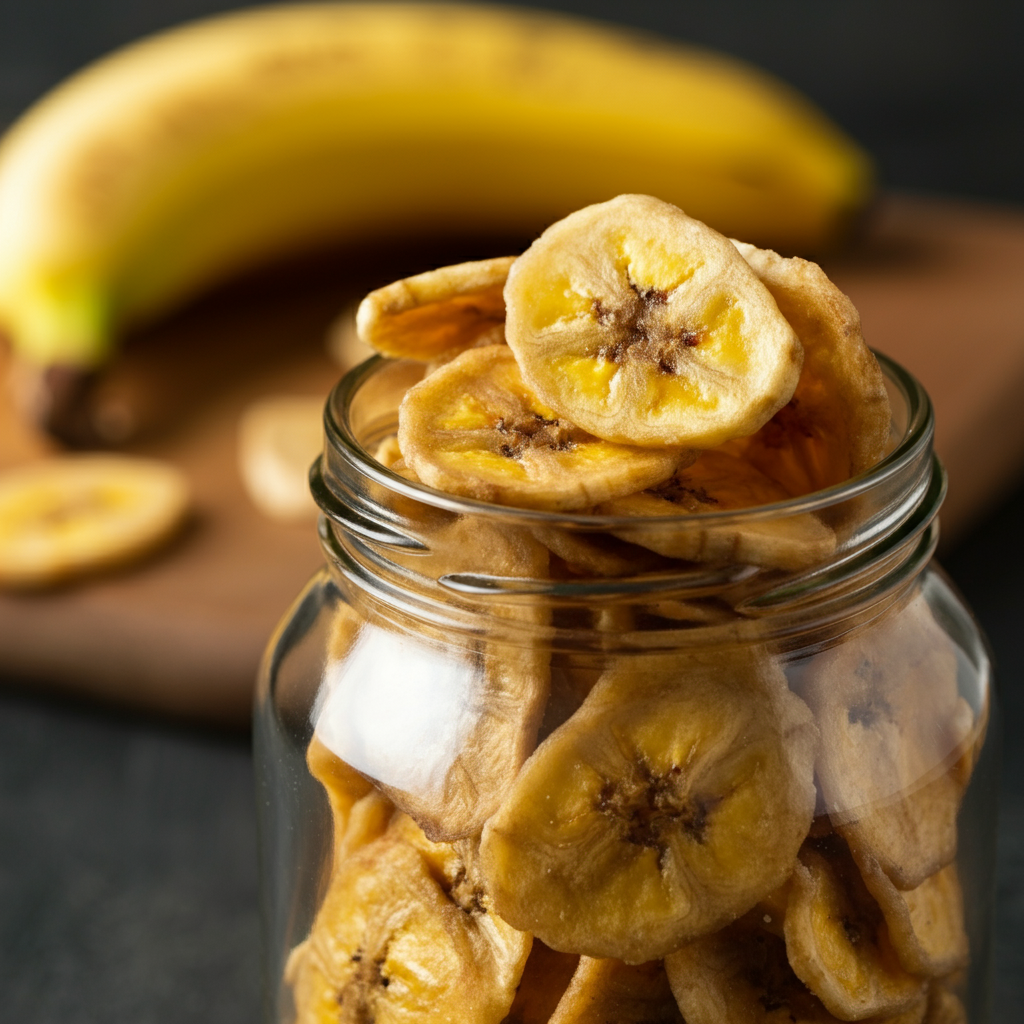
Preparing Bananas for Dehydration: Your Essential Guide
Why Dehydrate Bananas? The Benefits of a Delicious Snack
Dehydrating bananas transforms this popular fruit into a convenient, shelf-stable snack that retains much of its nutritional value. It’s an excellent way to preserve ripe bananas, reduce food waste, and create a wholesome treat free from added sugars and preservatives often found in store-bought options. Imagine having a ready supply of naturally sweet, chewy banana bites whenever hunger strikes! 🍌
Beyond their delicious taste, dehydrated bananas are packed with essential nutrients like potassium, dietary fiber, and vitamins. They provide a quick energy boost, making them ideal for hikers, athletes, or anyone needing a healthy pick-me-up. By mastering the art of preparation, you ensure your homemade treats are not only tasty but also of the highest quality. For more insights into the appeal of this delightful treat, explore the wonders of soft dried banana.
Selecting the Perfect Bananas for Dehydration
The quality of your dehydrated bananas begins with your choice of fruit. Look for bananas that are ripe but firm – not overripe with excessive brown spots. While some brown speckles are fine, a banana that’s too soft or mushy will yield a less appealing texture and flavor once dried. Green bananas are also unsuitable as they lack the natural sweetness and can be starchy.
Key characteristics to look for:
- Color: Bright yellow with a few small brown specks.
- Firmness: Firm to the touch, not squishy.
- Smell: Sweet, distinctly banana-like aroma.
Using bananas that are just right will ensure a naturally sweet, appealingly chewy, and flavorful end product.
Cleaning and Slicing Bananas: Precision Matters
Once you’ve selected your ideal bananas, the next step is preparation. Begin by gently washing the bananas under cool running water to remove any dirt or residues. Even though you’ll be peeling them, a quick wash ensures a cleaner working surface and prevents contaminants from transferring to the fruit flesh.
After washing, carefully peel each banana. Now comes the slicing! Consistency in thickness is paramount for even drying. Aim for slices that are approximately 1/4 inch (0.6 cm) thick. You can use a sharp knife, a mandoline slicer (with caution!), or even a food processor with a slicing attachment for uniform results. Thicker slices will take longer to dry, while thinner slices might become brittle. Consider slicing them into rounds or lengthwise strips, depending on your preference for the final snack size and shape.
Preventing Browning: Pre-treatment Techniques
Bananas, like apples and pears, contain enzymes that cause them to brown when exposed to air (oxidation). While harmless, this browning can make your dehydrated bananas less visually appealing. Fortunately, several simple pre-treatment methods can help preserve their vibrant color.
Popular pre-treatment options include:
- Lemon Juice Dip: A quick dip in diluted lemon juice (1 part lemon juice to 3-4 parts water) for 5-10 minutes is effective. The ascorbic acid (Vitamin C) in lemon juice acts as an antioxidant.
- Citric Acid Solution: Similar to lemon juice, a solution of food-grade citric acid and water can be used. Follow package instructions for concentration.
- Ascorbic Acid Powder: Mix powdered ascorbic acid with water and dip the slices. This is often more potent than lemon juice.
After dipping, gently pat the banana slices dry with a paper towel to remove excess liquid before placing them on your dehydrator trays. This step is crucial for achieving high-quality healthy dried banana snacks that look as good as they taste.
Arranging for Optimal Dehydration and Storage Tips
Once pre-treated, it’s time to arrange your banana slices on the dehydrator trays. Ensure that the slices are placed in a single layer and do not touch or overlap. This allows for proper air circulation, which is vital for even and efficient drying. Overcrowding trays will prolong the dehydration process and can lead to unevenly dried or even moldy spots.
After dehydration, allow the dried banana slices to cool completely to room temperature before storing. This “conditioning” step prevents condensation inside your storage containers. Store your perfectly prepared dehydrated bananas in airtight containers or vacuum-sealed bags in a cool, dark place. Properly stored, they can last for several months, providing you with a convenient and wholesome snack. Enjoy the versatility of delicious soft dried banana anytime!