How Soft Dried Banana is Made: A Detailed Look at the Production Process
How Soft Dried Banana is Made: A Detailed Look at the Production Process
Ever wondered what goes into creating that perfectly chewy, naturally sweet delicious and healthy snack you love? The journey of soft dried banana from a fresh fruit to a delightful treat is a fascinating one, involving careful selection, precise processing, and a unique drying technique. Let’s delve into the intricate steps that bring this wholesome snack to your pantry.
Selecting the Perfect Bananas: The First Crucial Step
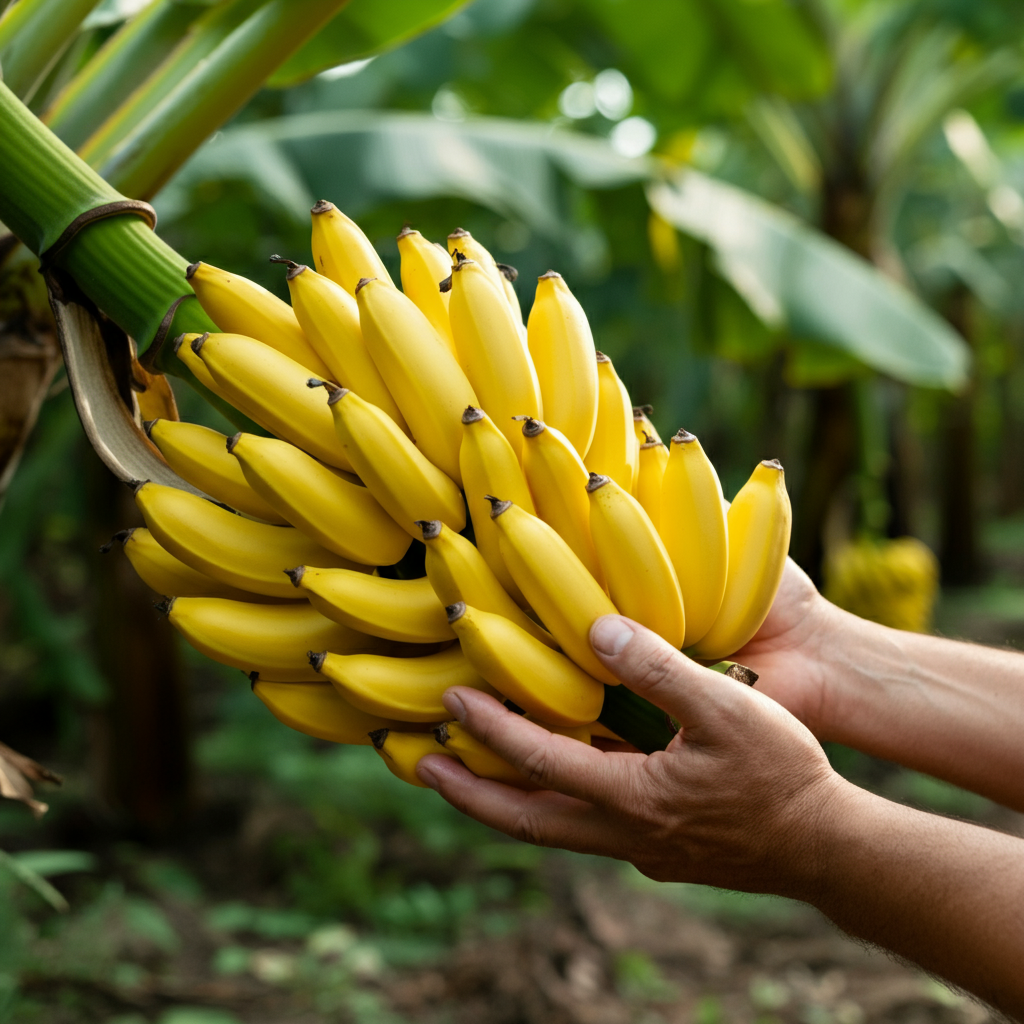
The foundation of any high-quality soft dried banana product begins with the selection of the raw material itself: the banana. Not just any banana will do; producers meticulously choose specific varieties known for their flavor, texture, and sugar content when ripe. This ensures maximum natural sweetness and a soft, pliable texture post-drying.
Experts carefully inspect each banana for blemishes, bruising, or any signs of spoilage. Bananas that are too green will result in a starchy, less flavorful dried product, while overly ripe bananas can become mushy and difficult to process. Consistency in ripeness is key to achieving a uniform product, which is essential for mass production. This initial selection process is paramount, as it directly impacts the final taste and quality of the soft dried banana.
Preparation: Peeling, Slicing, and Pre-treatment
Once selected, the bananas undergo a series of preparatory steps. First, they are thoroughly cleaned to remove any dirt or debris. Then, the bananas are peeled, which can be done manually for smaller batches or using automated machinery in larger facilities. The goal is to remove the skin efficiently without damaging the delicate fruit underneath.
Following peeling, the bananas are uniformly sliced. The thickness of the slices is crucial; it affects the drying time and the final texture. Slices that are too thick will take longer to dry and might retain too much moisture, while slices that are too thin could become brittle. Precision slicing ensures even drying and a consistent product. Some manufacturers may apply a pre-treatment, such as a dip in lemon juice or a mild ascorbic acid solution, to help prevent oxidation (browning) and preserve the natural color of the banana slices.
In some cases, a very light blanching process might be used to soften the cell walls slightly, which can aid in moisture removal during drying and contribute to the desired soft texture. However, this step must be carefully controlled to avoid cooking the fruit.
The Drying Process: Achieving That Signature Soft Texture
This is where the magic happens and what differentiates soft dried bananas from their crunchy counterparts. Unlike freeze-drying or high-heat dehydration that removes almost all moisture, soft drying aims to retain a specific percentage of moisture (typically around 15-25%). This is achieved through carefully controlled drying methods, often involving low temperatures and regulated humidity.
Common methods include using large industrial dehydrators or ovens, where banana slices are spread evenly on trays. The drying process is slow and gentle, usually taking several hours or even a full day. The low heat prevents the bananas from cooking and helps preserve their natural enzymes, vitamins, and minerals, while the controlled airflow gradually removes water.
The goal is to remove just enough water to inhibit microbial growth and extend shelf life, while leaving enough moisture behind to maintain the banana’s natural flexibility and chewiness. This delicate balance is key to creating a truly versatile dried banana treat that is both delicious and satisfyingly soft.
Quality Control and Packaging: Ensuring a Premium Product
After the drying process is complete, the soft dried banana slices undergo rigorous quality control checks. This involves inspecting for consistent color, texture, and moisture content. Samples are often tested for taste, sweetness, and any unwanted flavors. Any pieces that do not meet the strict quality standards are removed.
Once approved, the soft dried bananas are ready for packaging. Packaging plays a vital role in maintaining the product’s freshness, preventing moisture reabsorption, and extending shelf life. They are typically packed in airtight, resealable pouches or containers, often with a desiccant packet to further control moisture.
Proper packaging ensures that when you open a bag of premium quality soft dried banana, it’s as fresh and delicious as the day it was made. Storing soft dried bananas in a cool, dry place away from direct sunlight is recommended to preserve their quality and flavor for as long as possible, providing a convenient and healthy snack option anytime, anywhere.