The Banana Dehydration Process: A Comprehensive Guide
The Banana Dehydration Process: A Comprehensive Guide
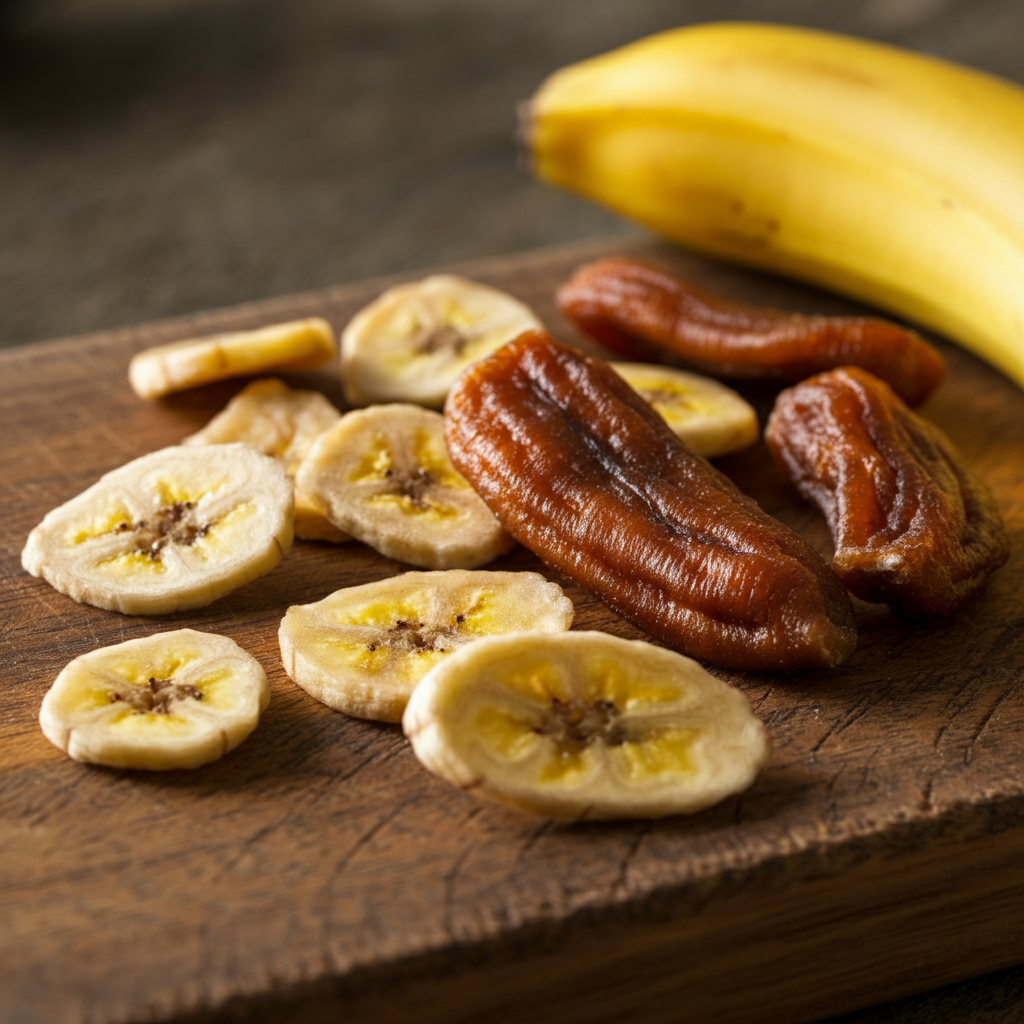
Dehydrating bananas is an ancient yet increasingly popular method to preserve this versatile fruit, transforming fresh, ripe bananas into a convenient, shelf-stable snack. This process removes moisture, inhibiting spoilage and concentrating their natural sweetness and nutrients. Whether you’re looking to extend the shelf life of your favorite fruit, create healthy snacks for on-the-go, or add a unique twist to your culinary creations, understanding the banana dehydration process is a valuable skill. It’s an excellent way to ensure you always have delicious dried banana snacks readily available. 🍌
Understanding Banana Dehydration: Why Dry Bananas?
Banana dehydration is essentially the process of removing water content from the fruit, significantly extending its shelf life without compromising its nutritional value. This technique concentrates the natural sugars, resulting in a sweet and chewy treat. Why is this process so beneficial? First, it’s a fantastic way to prevent food waste, especially when you have an abundance of ripe bananas. Instead of letting them spoil, you can easily transform them into a long-lasting product.
Secondly, dehydrated bananas are incredibly convenient. They are lightweight, portable, and require no refrigeration, making them an ideal snack for hiking, traveling, or simply as a healthy option in your lunchbox. Furthermore, while the water content is removed, many of the essential vitamins and minerals, such as potassium and dietary fiber, remain, offering a nutritious boost. The concentrated flavor also makes them a delightful addition to cereals, yogurts, or baked goods. 😋
Essential Steps Before Dehydration: Preparation is Key
The success of your banana dehydration process largely depends on proper preparation. Choosing the right bananas is crucial. Opt for ripe but firm bananas – those with a few brown spots but not overly soft or mushy. Overripe bananas tend to become too soft and sticky, making them difficult to handle and yielding a less desirable texture when dried. Underripe bananas, on the other hand, lack the sweetness and flavor that makes dehydrated bananas so appealing.
Once you’ve selected your bananas, peel them carefully. Next, slice them into uniform pieces, ideally about 1/4 inch thick. Consistency in thickness ensures even drying. Thicker slices will take longer to dry, while thinner ones might become brittle. To prevent browning, which is a natural enzymatic reaction, it’s highly recommended to pre-treat the slices. A common method is to dip them in a solution of lemon juice and water (1 part lemon juice to 3 parts water) or a commercial ascorbic acid solution for a few minutes. This simple step helps maintain their appealing golden color. ✨
Popular Methods for Dehydrating Bananas
There are several effective methods for dehydrating bananas, each with its own advantages and considerations. Your choice will often depend on the equipment you have available and the scale of your dehydration project.
- Sun Drying: This is the most traditional and energy-efficient method, ideal for warm, dry, and sunny climates. Banana slices are spread on screens and left in direct sunlight, often covered with netting to protect them from insects. While natural, it can be unpredictable due to weather and takes the longest.
- Oven Drying: Most home ovens can be repurposed for dehydration. Slices are placed on cooling racks over baking sheets and baked at the lowest possible temperature (usually 130-150°F or 55-65°C) with the oven door slightly ajar to allow moisture to escape. This method offers more control than sun drying but can be energy-intensive.
- Food Dehydrator: For consistent and efficient results, a dedicated food dehydrator is the best option. These appliances are designed specifically for drying food at precise low temperatures, circulating air to remove moisture evenly. They are the preferred choice for producing premium soft dried banana with optimal texture and flavor.
Each method aims to remove moisture slowly and steadily, preventing the bananas from cooking while ensuring thorough drying. Careful monitoring is key regardless of the method chosen. ⏱️
The Dehydration Process: Step-by-Step Guide
Once your bananas are prepared and you’ve chosen your drying method, it’s time for the actual dehydration. Here’s a general step-by-step guide:
- Arrange Slices: Place the pre-treated banana slices in a single layer on your drying trays (dehydrator trays, oven racks, or sun-drying screens). Ensure there’s no overlapping to allow for proper air circulation.
- Set Temperature: For food dehydrators and ovens, set the temperature to 130-145°F (55-63°C). If using an oven, remember to prop the door open slightly.
- Drying Time: The drying time varies significantly by method, banana thickness, and humidity. In a dehydrator, it typically takes 6-12 hours. In an oven, it could be 8-15 hours. Sun drying might take 1-3 days.
- Monitor and Rotate: Check on the bananas periodically. For ovens and sun drying, rotate the trays every few hours for even drying. In a dehydrator, trays might need to be rotated occasionally.
- Test for Dryness: Bananas are fully dehydrated when they are leathery and pliable, not brittle, yet no longer sticky or moist to the touch. They should bend without breaking. There should be no visible moisture when you tear a piece.
- Cool and Store: Once thoroughly dried, allow the bananas to cool completely to room temperature. Then, store them in airtight containers or bags in a cool, dark place. Properly dried and stored bananas can last for several months, providing a delicious and healthy dried banana snack whenever you crave one! 🍌🌿
Following these steps will help you achieve perfectly dehydrated bananas, preserving their flavor and extending their usability for a variety of culinary delights.